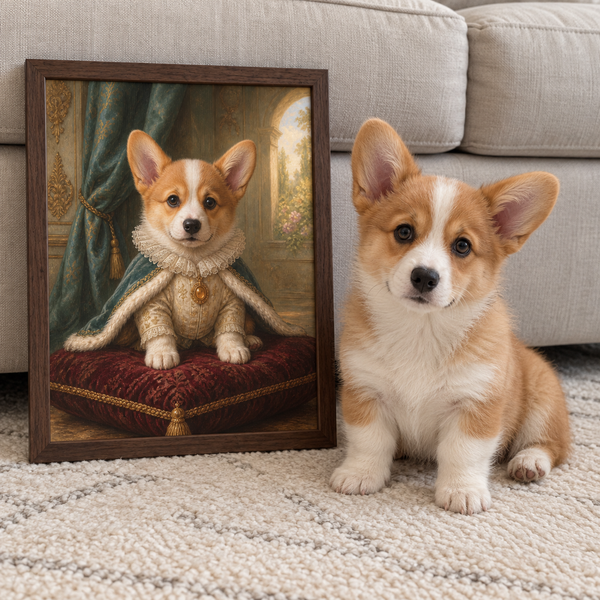
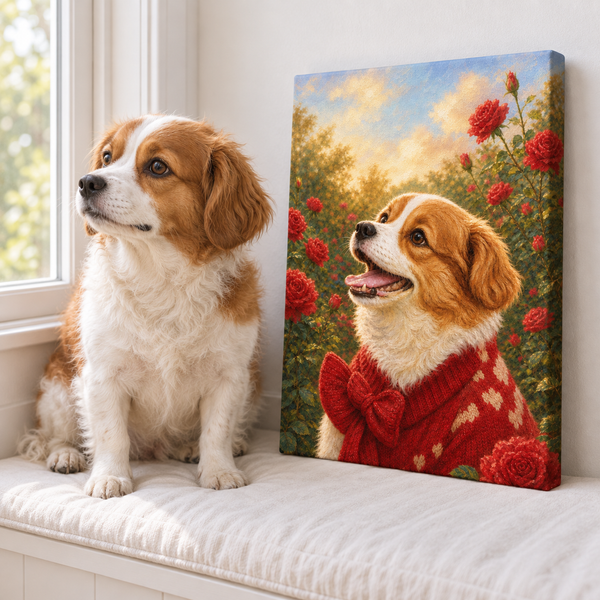
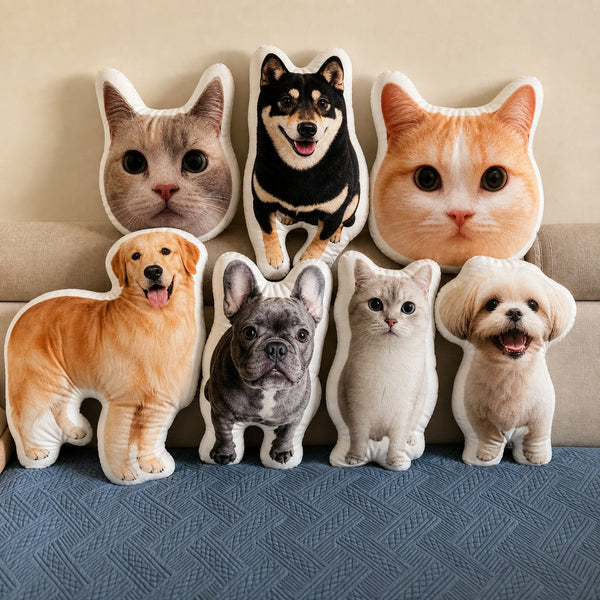

If you have wondered “what are dead stuffed animals called,” the word you are usually looking for is taxidermy. An animal prepared for a lifelike display may be called a taxidermy mount or a taxidermied animal. A fabric teddy bear, a sculpted animal model, and a preserved museum specimen are different things, even when someone casually calls all of them “stuffed animals.”
The distinction becomes useful in a museum, when reading an old collection label, or when discussing a pet keepsake. Start with what the object is made from and what purpose it serves. You can understand those differences without needing a graphic explanation of the preparation process.
Taxidermy names a preservation method
The Australian Museum's explanation of taxidermy describes preparing an animal for display or study, usually arranging its real skin over an artificial body. The finished mount can resemble the animal in life, but it is a preserved specimen rather than a living animal or a textile toy.
That makes “taxidermy” more precise than “stuffed” when you are identifying this kind of object. The word tells the listener that preservation is involved. If you mean a particular display piece, “taxidermy mount” is a useful term; “taxidermist” names the person who practices the craft.
Suppose you are asking a museum employee about an animal in a display case. “Is this a taxidermy mount or a model?” communicates the question clearly. “Is it real?” is understandable, but it leaves room for several meanings: real skin, an accurate shape, the actual individual named on a label, or simply something that once lived.
You do not need to use technical vocabulary perfectly to ask. A good starting point is “What materials are in this object?” The answer can help you choose the more precise term and decide which part of the story you would like to learn about next.
A study skin has a different presentation
A lifelike display is not the only form a preserved animal can take. The Manitoba Museum's guide to natural history specimens distinguishes a posed mount from a study skin, which is generally unposed and often stored flat. It also describes skeletons, fluid-preserved specimens, and other kinds of collection material.
This is why a museum's word “specimen” should not automatically be translated as “a stuffed animal.” The term can cover different preparations used for different kinds of study. A label or collection description is a better starting point than the assumption that every animal-related object must be a lifelike mount.
When visiting a collection, try asking what the preparation allows researchers to examine. That question shifts attention from whether an object looks convincing to what information it can offer. You may also ask how the museum identifies and records it, rather than trying to interpret a small tag on your own.
For a school notebook or personal reading list, record the term used by the institution. Keeping “study skin” distinct from “display mount” will make later searches more useful. You can note an unfamiliar word and ask about it after the visit instead of guessing from appearance.
A replica represents an animal without being that specimen
An animal replica is a representation. The Manitoba Museum explains that replicas can allow institutions to display forms of specimens while protecting originals, and that a replica does not contain all the biological information of the original. Appearance and material identity are therefore separate questions.
Consider a label that says “model,” “cast,” or “replica.” Those words are worth reading before you decide that a convincing animal shape must contain preserved skin. If the label does not tell you enough, ask the museum what it means in that particular exhibit.
The same habit helps with objects outside museums. A decorative animal sculpture may be designed to look lifelike, deliberately stylized, or somewhere between the two. Describe it according to its stated materials and making process, rather than deciding from the photograph alone that it is taxidermy.
If you are sharing a picture of an exhibit with someone, include the wording from its label when possible. You might write “an animal model from the display” or “a taxidermy mount identified by the museum.” That small detail gives the viewer useful context without turning a casual photograph into an unsupported claim about the object's origin.
A stuffed toy belongs to a different category
In everyday shopping, “stuffed animal” usually means a textile toy shaped like an animal. The fabric, filling, pattern, and intended use are the relevant details. It does not mean that the toy preserves the body of the animal it resembles.
Our guide to how stuffed animals are made focuses on that construction vocabulary. Reading a toy description through those terms is a more useful approach than bringing museum preservation terminology into an ordinary plush purchase.
A handmade fiber sculpture may also be an animal representation, but do not assume that every fiber object is intended for cuddling or play. Ask how the maker describes its use. A shelf keepsake, a child's toy, and an item intended for a pet to play with are different choices even when their pictures show similar subjects.
For example, Pawfolio’s photo-based wool-felt keepsakes are handmade animal likenesses created from photos. They are display keepsakes, not taxidermy. Their purpose is to represent a pet's appearance in crafted material. The collection's familiar “stuffed animal” wording should be read together with its wool-felt description, rather than taken to mean a conventional soft plush toy.
Use gentle, specific language in a keepsake conversation
When a conversation concerns someone's own pet, ask what they mean before suggesting an option. “I'd like something that looks like him” might mean a photograph, a drawing, a small sculpture, or another kind of remembrance. You can clarify the request without introducing choices they have not expressed interest in.
One useful question is: “Would you like a picture to display, a crafted likeness, or information about a preservation service?” Let the person set the scope. Avoid presenting any object as the right way to remember an animal or as something that will change how they feel.
If a photo-based object is what they want, our guide to custom stuffed-animal keepsakes from photos explains that separate idea. For a wider range of quiet ways to remember a pet, pet memorial ideas may be more useful than a discussion of specimen terms.
You can also choose not to make a recommendation. Someone may only be asking for a word they heard, identifying an object in an old photograph, or expressing curiosity after a museum visit. Answering that question clearly is enough. A terminology question does not have to become a shopping conversation.
Choose the term that answers the actual question
Before describing an animal-shaped object, check the label, maker's description, or museum record. If those are unavailable, explain what you can observe and leave the material uncertain. “A lifelike animal display” is more accurate than confidently naming a preservation method from a distant photograph.
These short distinctions can help organize what you have learned:
- Taxidermy mount: a preserved animal prepared in a display form.
- Study skin: a preserved skin prepared for research rather than a lifelike pose.
- Animal replica: a representation of an animal or specimen.
- Stuffed toy: a textile animal intended for the use specified by its maker.
- Photo-based keepsake: an object made to represent the pet shown in reference images.
If you are unsure, ask who made or prepared the object, which materials it contains, and what it is intended for. Those questions work whether you are reading a museum label or considering a handmade likeness of a pet.
The useful answer to the original question is usually “taxidermy,” but the more specific term depends on the object. Keeping preservation, replicas, toys, and keepsakes distinct lets you speak about each one accurately and with appropriate care.