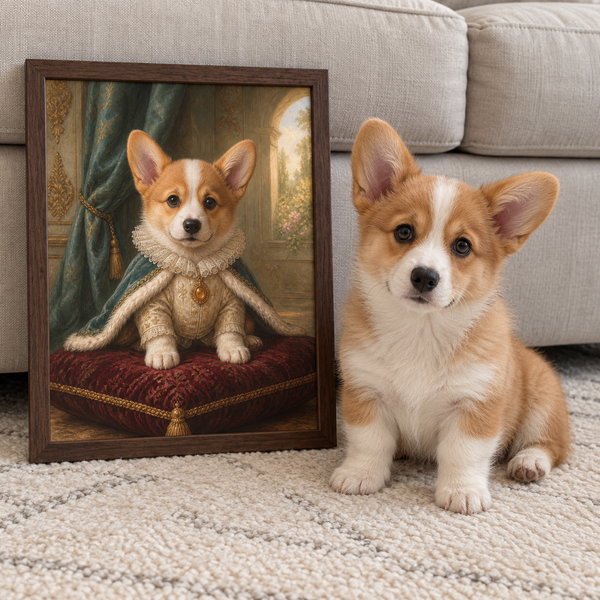
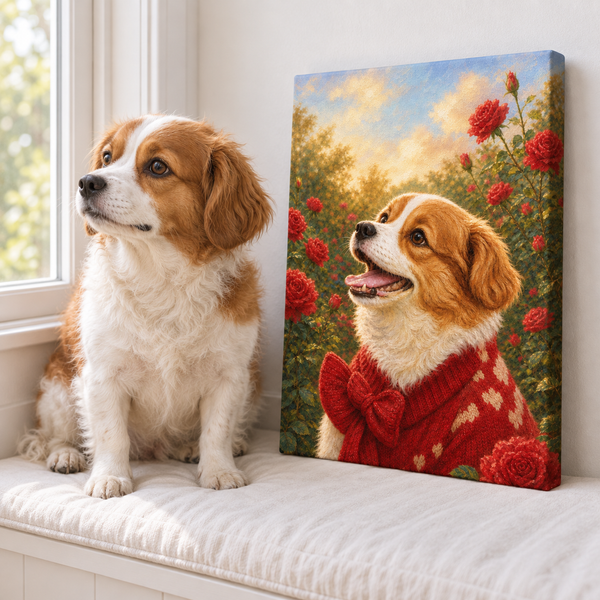
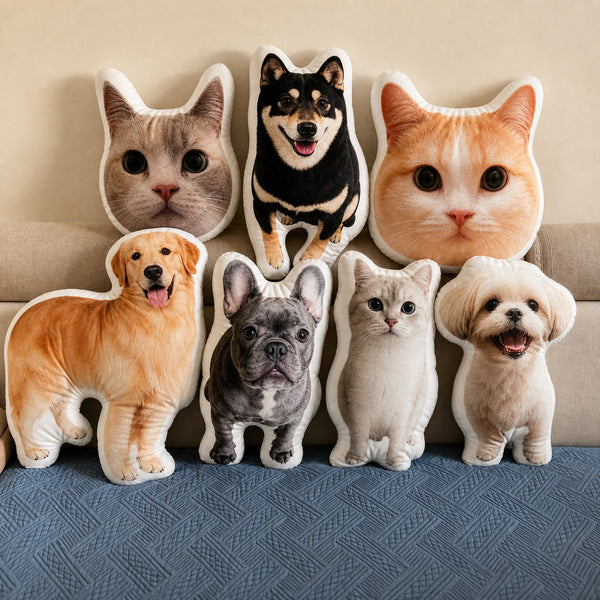

A custom stuffed animal of your pet turns a photograph into something tactile: a keepsake you can place on a shelf, display in a room, or give to someone who knows the pet well.
The most successful result does not come from asking a handmade object to duplicate every hair. It comes from identifying the features that make the pet instantly recognizable and supplying photographs that show those features clearly.
Before ordering a custom stuffed animal of your pet, it helps to understand the choices involved, the difference between available formats, and the kinds of photos that give the maker useful information.
Understand what a handmade interpretation can capture
A photograph contains tiny gradients, individual hairs, reflections, and details created by a particular moment of light. A handmade keepsake translates those details into form, texture, color, and proportion.
That translation can capture the overall face shape, ear position, coat colors, markings, expression, and body silhouette. It may simplify extremely fine mottling or subtle color transitions. The aim is recognizable character rather than a factory-perfect miniature.
Think about the three things people notice first when they see your pet. It might be one ear that always tilts outward, a white chest patch, large round eyes, a short muzzle, or an unusually fluffy tail. Those are the details worth documenting from more than one angle.
Choose between head-only and full-body formats
Pawfolio currently offers head-only and full-body custom stuffed-animal options. The right choice depends on where the pet's identity is most visible and how you plan to display the piece.
A head-only format concentrates attention on the eyes, muzzle, ears, and face markings. It can work well when the pet has a very expressive face or when the available photos are mostly close-ups. It is also a compact display choice for shelves and smaller spaces.
A full-body format includes the overall stance and silhouette. Choose it when the pet's body shape, leg length, tail, chest markings, or sitting posture are central to how you remember them. A corgi's proportions, a poodle's long legs, or a cat's sweeping tail can be as recognizable as the face.
Do not choose full-body simply because it includes more. Choose it when the extra information adds identity.
Submit one strong primary photo
The primary image should show the view you most want the keepsake to represent. For a head-only piece, use a clear close-up at or near eye level. For a full-body piece, use a seated or standing image in which the legs, chest, and tail are visible.
The American Kennel Club's pet photography guidance recommends natural light, focusing on the eyes, and getting down to the dog's level. Those principles also make a source image easier to interpret for a handmade keepsake.
Avoid relying on a photo with:
- heavy filters that change coat color;
- bright flash that removes subtle markings;
- motion blur around the face;
- another pet covering part of the body;
- a blanket or costume hiding the normal silhouette;
- an extreme wide-angle view that distorts the nose or legs.
Pawfolio's Photo Tips provides a quick checklist for clarity, lighting, and visible features.
Add supporting views for markings and proportions
One primary photograph sets the expression and pose. Supporting images can clarify details that the main image does not show.
Useful secondary views include:
- a side angle showing ear shape and muzzle length;
- a clear image of chest, paw, or back markings;
- a standing photograph showing body proportion;
- a close-up taken in neutral daylight to confirm coat color;
- a rear or side view if the tail is distinctive.
Keep the set consistent. If one image was taken under yellow indoor light and another under cool outdoor light, explain which one best represents the true coat color. If the pet recently had a haircut, identify the coat length you want the keepsake to reflect.
More photos are not automatically better. A small, purposeful set is easier to interpret than twenty images from unrelated ages, seasons, and grooming styles.
Describe the features that must not be missed
A short note can prevent an important detail from being treated as a shadow or photographic artifact.
Write down the pet's eye color, the location of a small spot, an asymmetrical ear, a white toe, or any marking hidden by the pose. Use plain, observable language. “Left ear folds slightly at the tip” is more useful than “make her look playful.”
You can also identify the emotional feature you hope to preserve: a gentle expression, an alert gaze, or the compact sitting pose the pet used every day. The note should support the photographs, not ask the maker to invent a different animal.
Plan for the time a handmade product requires
Custom stuffed animals are made to order and require a longer process than printed formats. Pawfolio's current handling window for this category is 4–6 weeks, followed by transit time. If the keepsake is intended for a birthday, holiday, or memorial date, order with enough margin for the handmade work and shipping.
The longer timeline is part of the product type: physical shaping, color matching, assembly, and finishing cannot be treated like an instant print job.
Review the current collection details before ordering, especially if timing is important. For the broader store process, Pawfolio's How It Works explains how photo-based custom orders begin.
Display the keepsake where its shape can be seen
A head-only piece benefits from a shelf at eye level, where the face remains visible. A full-body keepsake needs enough depth around it for the silhouette to read clearly from the front and side.
Keep the display away from direct sunlight, excessive humidity, and areas where pets or children may pull it down. A shallow cabinet, dresser, bookcase, or dedicated remembrance shelf can give it a stable place without making the room feel overly formal.
If the keepsake is a gift, include one of the source photos. Seeing the connection between the photograph and the handmade interpretation makes the personal details easier to appreciate.
Let recognizable details lead the decision
The best custom stuffed keepsake begins with honest expectations and clear visual information.
Choose the format that preserves the most meaningful features. Select one strong primary photo. Add only the supporting views needed to explain markings and proportions. Note the details that might otherwise be missed, and allow enough time for a handmade product.
The finished piece does not need to reproduce every strand of fur to feel personal. It needs to bring forward the features that make one particular pet unmistakable.