
The most meaningful pet memorial ideas are the ones that reflect how your companion actually lived: the chair they claimed, the route they loved, the sound of their tags, or the expression you saw every day. A memorial can be private or shared, permanent or temporary, handmade or commissioned. It does not have to be elaborate, and you do not have to choose it immediately.
Grief does not follow a fixed schedule. Veterinary guidance from VCA Animal Hospitals notes that people experience pet loss differently and that grief is not a neat sequence of stages. Start with what feels manageable. The following ideas are options, not a checklist.
Begin with one memory, not an object
Before deciding what to make, write down one detail you do not want to lose. It might be the way your dog leaned against your knee, the patch of afternoon sun your cat chose, a nickname, a favorite toy, or a familiar look.
That detail gives the memorial a purpose. If the memory is movement, a short video may fit better than a still image. If it is a daily routine, a small object placed near that routine may feel right. If it is a face or expression, a photo display or portrait can keep that visual memory present.
You can also ask three practical questions:
- Do I want to see this every day or only when I choose?
- Do I want other people to take part?
- Would making something feel comforting, or would I rather ask someone else to create it?
There is no correct answer. A quiet folder of photographs can matter as much as a formal ceremony.
Photo, words, and keepsakes
1. Make a small photo story
Instead of collecting every image, choose eight to twelve photographs that tell a simple story: arrival, routines, favorite places, relationships, and one ordinary moment that captures personality. Add short captions while details are still clear. A printed book is one option, but a private digital album works too.
For a physical display, select a photo with visible eyes and a natural expression rather than automatically choosing the sharpest image. Pawfolio’s pet portrait photo guide explains how light, angle, and cropping affect what can be seen in a source picture.
2. Write a letter, obituary, or list of quirks
Writing can hold details a photograph misses. Describe the sound of paws in the hallway, the rules your pet invented, or the small ways your household changed around them. You can write to your pet, write about them, or simply list ten things that made them unmistakably themselves.
VCA’s memorializing guide suggests recording favorite games, sleeping spots, quirks, and relationships. Keep the result in a journal, place it in a memory box, or share it with the few people who knew those details.
3. Preserve one object with context
A collar, tag, bandana, or favorite toy carries meaning because of the story attached to it. Store the object clean and dry, then add a note explaining when it was used and what it brings to mind. That note will matter later, especially if the keepsake is passed to someone else.
If you prefer a visible arrangement, a shadow box can combine a photograph, tag, and brief caption without turning an entire room into a memorial. Use acid-free backing for paper items, avoid adhesives on irreplaceable objects, and read the pet memorial shadow box guide before mounting anything permanently. A collar can also be displayed on its own; these dog collar memorial ideas focus on preservation first.
Place-based memorials
4. Create a living memorial
A tree, container plant, herb, or small garden can connect remembrance with a place and a season. Choose a plant suited to your climate, available light, and the amount of care you realistically want to give. A hardy pot near a window may be more sustainable than a large garden project.
Do not assume a burial or scattering is permitted on any property. Rules vary by location and land ownership, so check local requirements before making plans. The plant itself can still carry the memory even when remains are kept elsewhere.
5. Mark a familiar walk or resting place
Some pet remembrance ideas are experiences rather than objects. Walk a favorite route on an anniversary, sit in a familiar park, or visit the window where your cat watched the street. You might take one photograph, tell one story, or leave the moment undocumented.
If you want a physical marker, keep it modest and obtain permission on land you do not own. A bench donation, tree program, or shelter tribute may be available locally, but terms and permanence vary.
Creative and shared remembrance
6. Turn a photograph into artwork
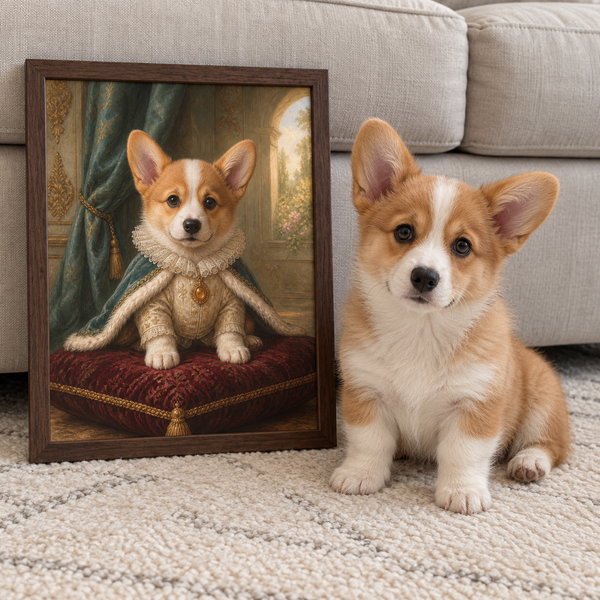
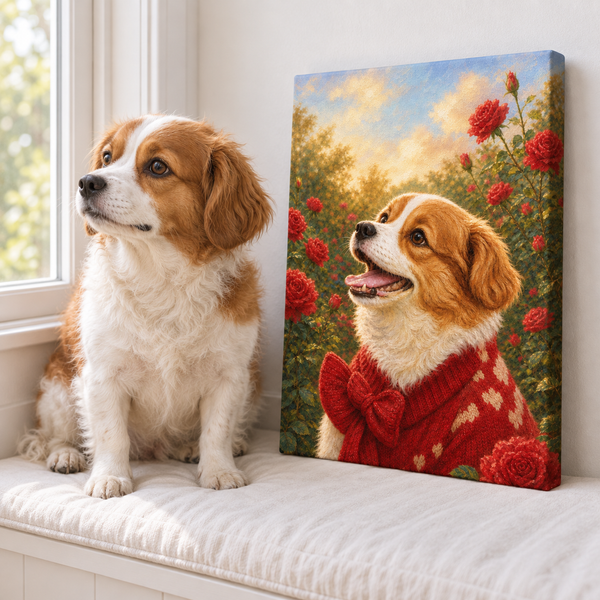
A portrait can emphasize expression, coat pattern, or a familiar pose while removing the visual clutter of the original snapshot. For a memorial, restraint often helps: a simple background, accurate markings, and an expression you recognize may carry more meaning than extra symbols.
Start with two or three candidate photographs and note what each one preserves. One may show the eyes best; another may capture posture. The pet memorial portrait guide walks through those choices. If you decide that a printed portrait suits the space, Pawfolio Art’s custom pet Art Prints provide one way to turn a clear photo into visible artwork. A portrait is an option, not a requirement, and it should feel like your pet rather than a generic symbol of loss.
7. Invite other people to contribute a memory
Friends, relatives, neighbors, groomers, and pet sitters may remember moments you never saw. Ask each person for one photograph or a few sentences. Gather the responses in a shared document, small book, private page, or envelope collection.
Give people a specific prompt. “What is one thing you remember about Milo?” is easier to answer than “Please write a tribute.” If children are involved, drawing a picture or naming a favorite game may feel more natural than writing a long message.
8. Make an act of care part of the memorial
A donation, supply drive, foster contribution, or volunteer shift can reflect something about your pet’s life. You might support the shelter they came from, a veterinary assistance fund, a breed rescue, or a local park they enjoyed. Check the organization’s current wish list before buying supplies.
Keep the action proportionate to your energy and budget. A small recurring habit can be more personal than a one-time project. If public recognition is offered, decide whether you want your pet’s name displayed or would prefer the gesture to stay private.
An anniversary ritual
9. Create a simple anniversary ritual
An anniversary ritual can be as small as looking through five photographs, cooking a favorite human meal, lighting a candle while you are present, or taking the walk you once shared. Repetition gives the memory a place without requiring it to be visible every day.
You can change the ritual. What feels supportive in the first year may not fit later. Keeping a memory does not mean preserving one response forever.
Choose the memorial that asks the right amount of you
Good dog memorial ideas, cat memorial ideas, and memorials for any companion have one thing in common: they are specific to the relationship. Pick the idea that matches your memory and your capacity now. You can begin with a note or a folder and add something more permanent later.
If grief feels unmanageable or isolating, support is available. Cornell University’s College of Veterinary Medicine maintains pet loss resources and a support hotline. Reaching out is compatible with remembering; neither has to happen on a schedule.