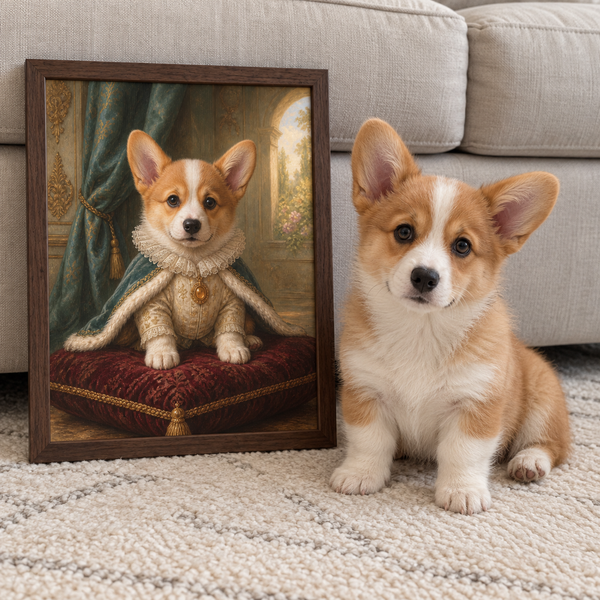
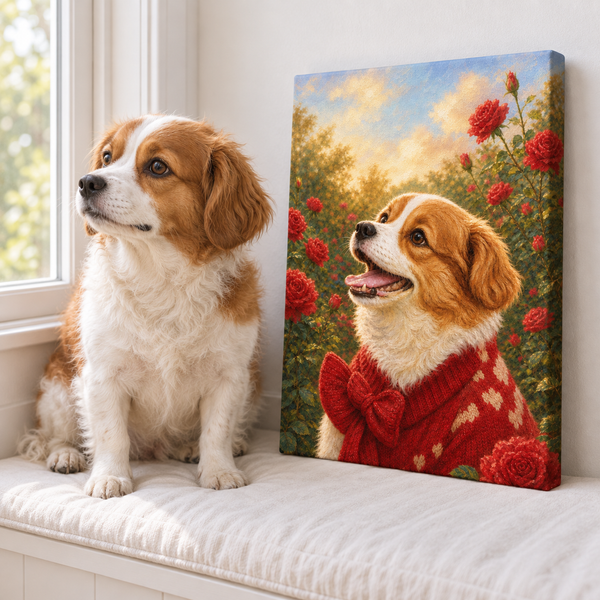
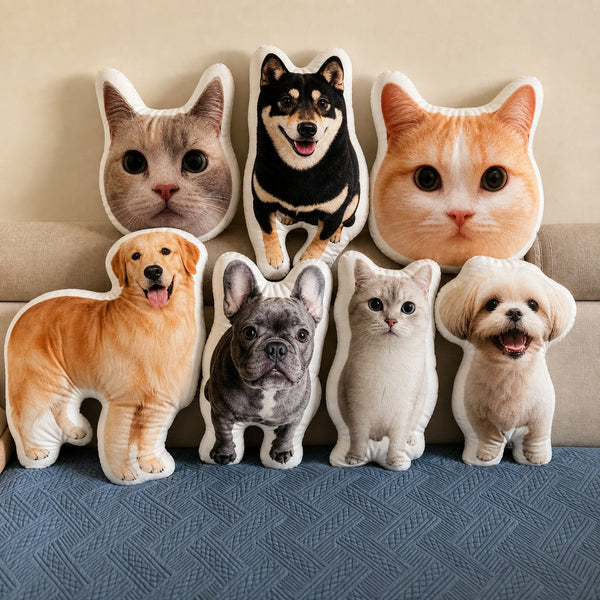

A stuffed dog's ears can be floppy, its chest round, and its nose surprisingly expressive, even though much of it began as flat fabric. The transformation depends on several choices working together: the outline of each piece, where the pieces join, the surface texture, and the way the interior is filled.
So, how are stuffed animals made? A conventional sewn plush starts with a design and pattern, becomes a fabric shell, and receives filling and finishing details. The exact methods vary. Understanding those differences helps you look beyond a cute product photo and ask better questions about shape, materials, intended use, and care.
Start by identifying the kind of animal you are looking at
Before tracing the process, decide what the finished object is meant to do. A floppy companion for play, a firm collectible for a shelf, and a dimensional pet portrait are different design tasks. Their appearance alone does not tell you whether they have the same construction or intended audience.
For a useful comparison, picture two fabric dogs of the same height. One might have a broad, rounded body and loosely hanging ears. The other might have a more upright posture and carefully shaped cheeks. Ask what creates each feature. Is it the silhouette, an extra panel, a seam, or the material beneath the surface?
Looking at how plush toys are made also helps explain why a flat drawing cannot specify everything. A front view leaves the side profile and back unresolved. A maker must decide how wide the muzzle should be, where the legs join, and how the body will look when viewed from another angle.
This guide explains conventional sewn construction. It is not a description of every product called a stuffed animal, and it does not document a particular Pawfolio workshop or factory.
A pattern determines more than the outline
A sketch describes an appearance; a sewing pattern divides that appearance into pieces that can be joined. Steiff's illustrated manufacturing account shows its designers moving from sketches to cutting patterns, then cutting and sewing fabric before filling the animal. Its example is a particular teddy bear, rather than a universal recipe for all plush.
Imagine a paper silhouette of a dog. Two copies joined around the edge would give you a different object from a design with additional pieces for the belly, muzzle, and sides of the head. Those extra surfaces provide room for a different three-dimensional form. That is why tracing a photograph's outer edge is only the beginning of a construction decision.
When comparing finished examples, look at the animal from the front and the side. A charming front-facing image may not answer whether the muzzle projects, the back is rounded, or the legs are separate. Ask for the view that resolves your uncertainty instead of guessing from the most flattering photograph.
If you want to explore the idea yourself, our beginner plush-animal sewing project takes a simpler practical route. Understanding construction and sewing your first project are related, but they need different levels of detail.
Fabric and surface details change how the shape reads
Think of the outer material as part of the drawing. A short, smooth surface exposes the outline clearly; a shaggy surface creates a softer-looking edge. Neither appearance automatically makes an animal more accurate or better suited to its recipient. The useful question is whether the texture supports the effect you want.
In its own plush manufacturing explainer, Weijun describes choices such as fleece, faux fur, and cotton or linen blends, along with embroidered and attached features. These are examples of manufacturing options, not a statement that every maker uses all of them. The product's own description should identify its materials and intended use.
For a pet-inspired object, separate texture from markings. A dark patch beside one eye is a placement question. A long-haired cheek is a texture question. A tilted ear is a shape question. Writing those observations separately makes your request much clearer than asking for something to be “more realistic.”
Also distinguish a surface description from a fiber description. “Fluffy” tells you how something looks or feels; it does not identify what it contains. If the listing is unclear, ask for the outer material and filling information rather than assuming that a soft appearance answers both questions.
Sewing and filling turn the pieces into a volume
In conventional sewn plush, the cut pieces are assembled into a shell. An opening allows the interior to be filled before the remaining seam is closed. The stuffed animal manufacturing process may combine machine sewing with hand finishing; the balance depends on the maker and design.
Weijun's process description discusses assembling the shell and adding filling. Steiff's account also emphasizes that the amount and placement of filling affect the finished form. Those details help explain why fabric selection alone cannot tell you how a completed animal will feel or hold its shape.
Try reading a product photograph in three passes. First, look at the overall silhouette. Next, look at the places where parts meet, such as the ear base and neck. Finally, look at the surface around those joins. This is a way to organize your questions, not a method for certifying quality from a picture.
For example, a fold beneath a leg might belong to the pose, the way the animal was arranged, or its construction. One image cannot settle that. A second view or a short handling video can be more informative than a confident assumption about what is inside.
Avoid opening a finished item to investigate. Ask the maker about its construction and follow the supplied care directions, especially when the piece is intended for display.
Finishing is where small differences become noticeable
The expression often comes down to the relationship between features. Rather than judging each eye or ear separately, compare the space between them and their position on the head. If you are reviewing a pet likeness, keep the reference photo nearby and identify the single difference that stands out most.
Steiff's manufacturing example includes embroidered facial details, shaping the surface fur, and a final inspection. Other makers use different methods. A visible seam is not automatically a defect, and an invisible seam is not proof of suitability for a child. Appearance and safety need separate checks.
The U.S. Consumer Product Safety Commission's toy guidance recommends following age guidance and safety information on packaging. It also warns about small parts around children younger than three. A collectible or decorative keepsake should not be treated as a child's toy simply because it resembles one.
Before choosing an item, check its intended user, any detachable details, the stated materials, and the care instructions. If an answer is missing, ask before purchasing. A useful reply should describe the actual item, rather than relying only on words such as “premium” or “lovable.”
A photo-inspired keepsake may use a different approach
Making a stuffed animal from a picture introduces another decision: do you want a conventional soft toy, or a display piece that represents a particular pet? Decide that first. It affects which product examples are relevant and what questions you should ask about the result.
Pawfolio’s wool-felt pet keepsakes are handmade display keepsakes offered in head-only and full-body formats. They have a different purpose and appearance from the sewn, filled plush described above. Review the current product photographs and details when comparing those options.
For any photo-based project, choose images that explain the pet. A clear front view may show the face while another view clarifies a chest marking or ear shape. Our pet photo guide can help you assess clarity, and the photo-to-keepsake planning guide covers the next set of reference decisions.
Finish with three questions: What construction am I looking at? What is this piece intended for? Which detail matters most to me? Those answers make it easier to choose thoughtfully, whether you want to understand a familiar plush, begin a sewing project, or find a personal piece for your home.