

Pet memorial wind chimes add something a photograph or keepsake box does not: a sound that can enter an ordinary afternoon. That may be welcome, or it may be more than someone wants. Before choosing the inscription or the finish, consider whether the person who will live with the chime actually enjoys hearing one.
A thoughtful choice does not have to be elaborate. It needs to fit the recipient's preferences, their available space, and the care they are willing to give an outdoor object. This guide helps you work through those questions without assuming that a particular memorial will feel right for everyone.
Ask whether an audible reminder would be welcome
Start with the person's relationship to sound. Do they already enjoy a chime on the porch? Do they prefer quiet when sitting outside? Have they mentioned wanting a memorial in the garden? These clues are more useful than choosing an object because it is labeled a sympathy gift.
Cornell's pet-loss resources emphasize that people respond differently to loss and that grief has no prescribed timetable. A chime should not come with a promise to heal grief, a deadline for displaying it, or an expectation that its sound will always be comforting.
You can ask gently: “I was thinking about a small garden chime in Milo's memory. Would that be something you would enjoy, or would you prefer a quieter keepsake?” Let either answer be complete. The question offers care without requiring the recipient to accept your first idea.
If you are choosing for yourself, you can also wait. Keep the product information and return to the decision when you want to. There is no need to turn remembrance into a purchase you must complete on a particular day.
Listen to the exact chime before choosing
When browsing dog memorial wind chimes or another pet-specific design, do not let the paw-shaped charm make the whole decision. The image shows the object; it cannot tell you whether you will enjoy hearing it repeatedly.
Look for an audio or video sample of the exact model and size. Listen to the sequence for longer than one attractive note. If the recording has background music, ask whether a plain sound sample is available. If you can hear the chime in person, use that opportunity.
A recording is still only an impression. Speaker settings, recording distance, and the eventual location can affect how you experience the sound. Treat descriptions such as gentle, deep, or soothing as starting points for your own assessment rather than guarantees of volume or emotional effect.
Compare two or three candidates using the same questions:
- Would I welcome this sound on a quiet morning?
- Can the recipient easily take the chime down when they want silence?
- Does the product information explain the materials and overall dimensions?
- Are the model in the recording and the one being ordered the same?
If the seller provides no usable sound information, decide whether that uncertainty is acceptable before adding permanent personalization.
Choose the location and care plan together
Think through the hanging spot before buying. A porch photograph can make a large chime look modest, so check the total hanging length, including the hook and lower sail, as well as the width. Compare those measurements with the actual space.
Look for room to move without hitting a wall, railing, or nearby furniture. Follow the maker's hanging instructions and use a suitable support for the object's stated weight. Keep dangling parts away from places where children or pets could pull them, and consider whether the sound would carry into a shared area.
Maintenance also belongs in the decision. For example, Woodstock Chimes' care guide recommends free movement, a protected location, and bringing its chimes inside during extreme weather or harsh winter conditions. Those are that manufacturer's instructions; check the guidance for the exact product you choose rather than assuming every material or finish behaves the same way.
Ask where the chime would be stored when taken down and whether the recipient can comfortably reach it. An object that requires a ladder or frequent maintenance may be an unwanted task, however thoughtful the inscription.
For a larger outdoor tribute, our pet memorial garden ideas can help you consider the space as a whole. The chime can be one optional part, rather than the reason to redesign the garden.
Keep the inscription personal and easy to check
A memorial wind chime inscription has limited space. Begin with the pet's name, then decide whether anything else genuinely adds meaning. A nickname used every day may feel more personal than a long quotation selected because it sounds formal.
Here are a few original wording directions you can adapt:
- “Milo — our companion on every porch afternoon.”
- “For the little paws we listened for at the door.”
- “Luna — remembered in the quiet moments.”
Use wording that belongs to the recipient's experience. Do not add religious language, an imagined message from the pet, or a claim about the afterlife unless you know that expression is welcome. A simple name is enough when you are unsure.
Before submitting the text, check spelling, capitalization, punctuation, character limits, and the line breaks shown in the preview. Confirm dates with the owner rather than guessing from social media. If no preview is offered, ask how the text will be arranged and what can be corrected before production.
Our guide to wording a pet memorial plaque offers more help with concise messages. Adapt the length to the chime's actual engraving area; a phrase that reads well on a plaque may be cramped on a small sail.
Give the person control over when and how it is used
If you are sending the chime as a gift, ask before making an outdoor change at someone else's home. Buying the object does not mean choosing its permanent location or installing it during a visit without discussion.
A short note can remove pressure: “I remembered how much you and Pepper enjoyed the porch. This is here whenever you want it, and there is no need to put it up now.” That is a sample message, not a promise about how the recipient will feel.
Include the care information and, where available, a gift receipt. Check the seller's policy for personalized orders before paying, since an engraved item may have different return terms. If the recipient has not chosen the wording, it may be easier to offer to order it together than to surprise them with permanent text.
You can also separate the gesture from the object. Send a kind message now and discuss a keepsake later. Our suggestions for what to say when a friend loses a pet focus on acknowledging the loss without trying to explain it away.
The recipient may hang the chime, keep it indoors, put it away for a while, or prefer a different tribute. Leave that choice with them without asking for a display photo or repeated updates.
Consider a quiet alternative before placing the order
Quiet pet memorial alternatives can be better suited to an apartment, a shared home, or someone who simply wants silence. A small photo album, a handwritten memory, or an indoor portrait lets the person choose when to look at the tribute.
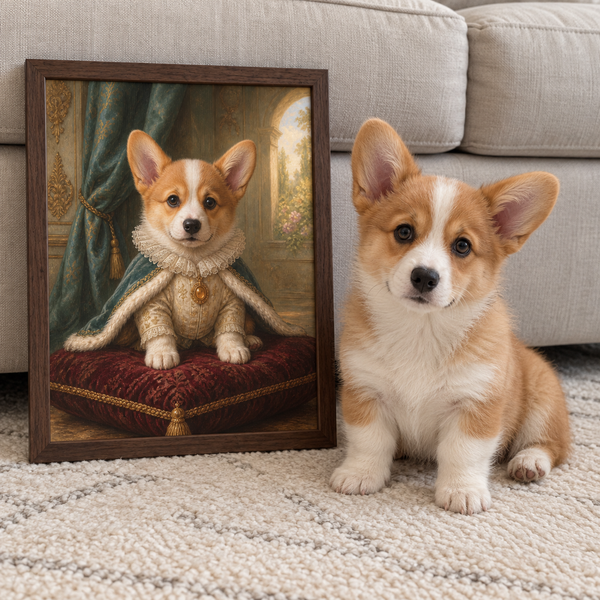
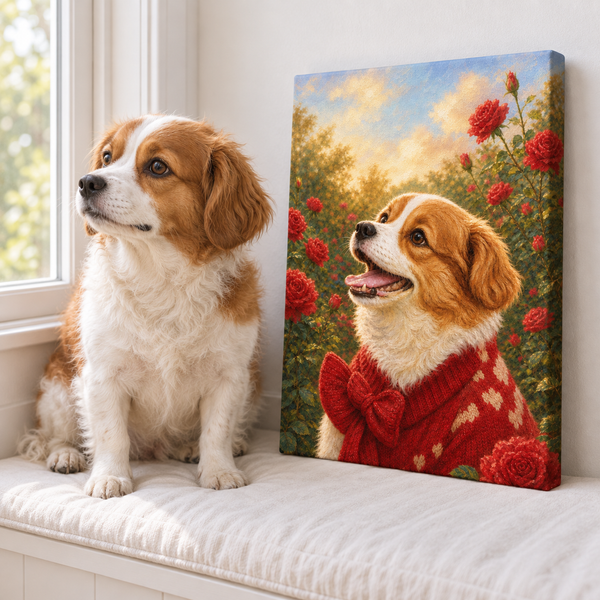
For a photo-based indoor option, Pawfolio’s custom pet Art Prints provide a different kind of keepsake. An Art Print is a flat print on premium textured fabric; select the available presentation that suits the recipient's space. Treat it as an indoor artwork choice, not an outdoor replacement with the same care requirements as a chime.
Before ordering any memorial, write down three answers: the recipient welcomes the idea, there is a suitable place for it, and its care will be manageable. If one answer is uncertain, resolve that question before choosing the engraving.
You do not need to find the most elaborate object or assemble a whole collection. Choose something the person can use on their own terms, include a specific memory if you wish, and allow the gesture to be enough.