
Perhaps your dog always waited beside the back door, or your cat watched you garden from a favorite window. A small outdoor tribute can begin with that particular memory. It does not need a large planting bed, a permanent marker, or a deadline for feeling ready.
The most useful memorial garden ideas for pets fit both the memory and the life you have now. That might mean a movable pot you can take to another home, an existing corner you gently adapt, or a place to sit while looking at a familiar patch of garden. Start by choosing what you want to remember, then give the project a size you can comfortably maintain.
Choose one remembered habit to guide the design
Write a sentence about a moment you do not want to forget. Keep it specific: the spot where your dog stretched after a walk, the color of a well-used leash, or the place your cat watched birds through the glass. You are not trying to summarize an entire life in a garden design.
Use that sentence to choose one detail. A pot in the color of the leash could be enough. A chair turned toward the old watching spot might feel more personal than a collection of ready-made decorations. If family members remember different things, ask each person to contribute a short note before deciding which elements belong outside.
You can also decide what the garden does not need to contain. A memorial garden for pets can be a place of remembrance without holding remains. If you are considering burial or scattering, resolve those separate decisions with the relevant provider and property authorities before making them part of the design.
If an outdoor space does not feel right, our broader pet memorial ideas include other ways to remember a companion. Choosing an indoor or entirely nonphysical tribute does not make the memory less important.
Pick a layout you can describe in one sentence
Give yourself a simple design brief rather than a shopping list. Three starting layouts work especially well for a small project: a movable container, a modest addition to an existing bed, or a place to sit and look. These are suggestions to adapt, not steps everyone needs to follow.
A movable container could hold one plant with a small, securely placed marker beside the pot. Choose it if portability matters or you would rather learn how much care one plant needs before adding more. Leave enough room around the container to water it and clean the area without moving every object.
An existing bed could gain one new planting group and a defined viewing spot. You might keep the rest of the garden exactly as it is. This approach can suit a familiar yard where the memory is already connected to a particular area.
A sitting place might need no new planting at all. Move a chair to a spot you enjoy and let the existing view be part of the tribute. When comparing pet garden memorial ideas, include the option that asks the least of you. A project that fits your energy now can be expanded later if you want.
Check the site before buying plants
Look at the proposed space on an ordinary day. Notice when it receives sun, whether you can comfortably reach it, and where water will go. Think about who else uses the path, patio, or shared area. Keep access to doors, drains, and everyday routes clear, and check permission before making permanent changes to a space you share or rent.
For a container, drainage and the growing medium matter as much as its appearance. University of Minnesota Extension's small-space gardening guidance recommends drainage holes and an appropriate potting mix. It also emphasizes matching plants to the available conditions. Use local gardening advice to narrow the choices for your climate and site.
Take a picture of the location and bring its measurements to the nursery. Ask how large the plant will become and what maintenance it needs, rather than choosing only by the flower it has today. Keep pet-safety screening as a separate check; a plant suitable for your climate is not automatically suitable around animals.
Before you settle on the arrangement, try the empty pot or a temporary outline in place. Open the nearby door, walk past carrying a watering can, and sit in the intended chair. A layout should be convenient to use as well as pleasant to look at.
Review plants and garden supplies for the animals still at home
If dogs or cats can enter the area, make plant identification part of the plan. Keep the nursery label and check the scientific name, not just a familiar common name. The ASPCA's toxic and non-toxic plant database lets you look up plants for the relevant animal species. It also notes that even plants considered non-toxic may cause digestive upset when eaten.
Avoid choosing a plant because a general memorial-garden list calls it safe. A name may cover different plants, and the animals that have access matter. If you cannot identify a plant confidently, leave it out until you can check it. You can still plan the container, colors, and layout without committing to the planting that day.
Look beyond the leaves. ASPCA's gardening guidance highlights risks from cocoa mulch, accessible compost, fertilizers, and other garden products. Store supplies where pets cannot reach them and follow product directions. If you suspect exposure to a harmful substance, contact your veterinarian or an animal poison-control service promptly.
Include the area in your normal household checks. Look for spilled products, loose decorations, damaged pots, or anything an animal has started chewing. A thoughtful garden plan can change when you discover how the space is actually used.
Separate outdoor markers from irreplaceable keepsakes
Decide which objects you would be comfortable replacing. An outdoor-rated marker can identify the spot, while an original photograph, collar, or handwritten letter can stay in protected indoor storage. You do not have to put the most precious item outside to make the garden personal.
Ask the maker whether a marker or decorative object is intended for your outdoor conditions, including seasonal exposure. Check how it should be secured and maintained. A heavy object balanced on a narrow surface or a loose ornament beside a busy path may be worth repositioning before it becomes part of the arrangement.
For wording, start with the pet's name and one line that sounds like your family. Our guide to what to write on a pet memorial plaque can help you choose a short message without feeling obliged to use a familiar quotation.
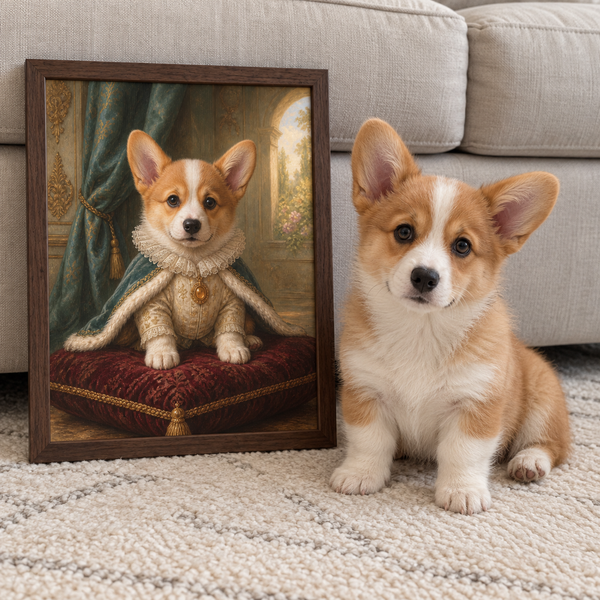
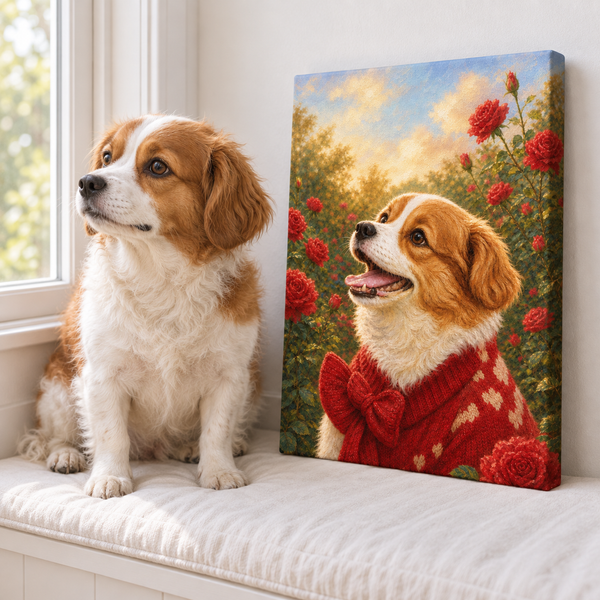
You might keep a portrait indoors where you can see it on the way to the garden. Pawfolio's custom pet Art Prints offer one way to display a favorite image at home; treat them as indoor decor rather than outdoor signs. The garden and the indoor keepsake can each have their own place without duplicating everything.
Leave room for the garden to change
Write a small maintenance note while the setup is fresh in your mind. Record the plant names, the care guidance you received, where spare supplies are stored, and which objects should come inside when needed. If another person helps with the garden, share the note so the routine does not depend on one person's memory.
Photograph the space when you first arrange it. Save the sentence about your pet's habit alongside that picture. If you later move the pot, replace a plant, or change the layout, you will still have a record of why you chose the original details. A private folder is enough; if you want a place for family contributions, our pet memorial website guide explains how to organize photos and stories.
Plants and preferences can change. Replacing a struggling plant or reducing the size of the project does not require you to give up the tribute. You can also pause, leave a chair in place, and return to planting another season.
For now, choose one memory, one manageable location, and one next step. That may be checking a plant label or simply writing down the story. The finished space should belong to your relationship with your pet, not to a checklist of things you felt you had to buy.