

When a friend's pet dies, it is common to worry that the wrong sentence will make the pain worse. That fear can lead to silence, even though a brief acknowledgment may be exactly what helps the person feel less alone.
What to say when a friend loses a pet does not need to be poetic. A sincere message can do three things: name the loss, recognize the relationship, and offer support without demanding a response. You are not responsible for fixing grief. Your role is to show that the pet mattered and that your friend does not have to hide what the loss means.
Use a simple three-part message
When you do not know where to begin, build the message from three parts:
- Acknowledge the death: “I'm so sorry that Milo died.”
- Recognize the bond: “I know how much he was part of your everyday life.”
- Offer presence: “You don't need to reply, but I'm here whenever you want company or someone to listen.”
Use the pet's name if you know it. The RSPCA's pet-bereavement guidance recommends acknowledging the loss, listening, asking gentle questions, and using the animal's name. These small choices make the message specific rather than interchangeable.
Keep the first contact short enough that the grieving person is not asked to manage your emotions too. A text, note, or voicemail can give them room to read or listen when they are ready.
Adapt the words to your relationship
The right level of detail depends on how well you knew your friend and their pet. You can use these examples as starting points and rewrite them in your own voice.
For a close friend
“I'm heartbroken for you. Rosie was woven into so many parts of your day, and I know the house will feel different without her. I can come by with dinner on Thursday, or I can simply sit with you. No need to decide now.”
When you knew the pet well
“I keep thinking about the way Otis waited by the window whenever we arrived. He made every visit warmer. I'm so sorry you had to say goodbye.”
When you did not know the pet
“I'm so sorry about Pepper. I know from the way you spoke about her that she was deeply loved. I'm thinking of you and your family.”
For a coworker or acquaintance
“I'm sorry to hear about Bailey. Please take the space you need. There is no pressure to respond.”
After an expected loss or euthanasia
Avoid telling the person how they should interpret the decision. You can say, “I know how carefully you were thinking about Luna's comfort. I'm sorry you had to make such a painful choice, and I'm here if you want to talk about her.”
Do not offer medical reassurance or declare that the timing was correct unless you are the treating veterinarian. Support the person without pretending to know details you do not have.
Ask about the pet, then listen
People sometimes avoid the pet's name because they fear causing tears. Grief is already present; mentioning the animal with care does not create the loss. A gentle invitation can give your friend permission to remember more than the final day.
Try one open question:
- “Would you like to tell me about your favorite habit of his?”
- “What do you miss most about your mornings together?”
- “Is there a photo or story you keep returning to?”
Then allow silence. Do not rush to compare the loss with your own pet, search for a positive lesson, or move the conversation toward getting another animal. If you share a memory, keep the focus on their pet and their experience.
The Headspace guide to supporting a friend after pet loss notes that grief can be isolating and does not follow a fixed timeline. Circumstances and responses vary, so there is no single correct way for grief to look.
Avoid phrases that minimize or explain away the loss
Most hurtful comments are attempts to make the situation feel less painful. They fail because they reduce the importance of the relationship or impose a meaning the grieving person may not share.
Avoid statements such as:
- “It was only a dog.”
- “At least you had many years together.”
- “You can always get another pet.”
- “Everything happens for a reason.”
- “You should focus on the good memories.”
- “I know exactly how you feel.”
Replace certainty with presence. “I can't know exactly what this feels like for you, but I care and I'm listening” leaves room for the person to describe their own experience.
Religious or afterlife language may comfort someone who has already used it themselves. Do not introduce it as a universal answer. Follow the grieving person's words rather than asking them to follow yours.
Offer one concrete form of help
“Let me know if you need anything” is kind, but it requires a grieving person to identify a task and ask for it. A specific, low-pressure offer is easier to accept or decline.
Depending on the relationship, you might offer to:
- bring a meal on a named day;
- drive them to collect ashes or belongings;
- help put away pet supplies when they choose;
- notify a mutual friend so they do not have to repeat the news;
- take care of a routine errand;
- sit quietly with them for an hour;
- help save or organize photos later, if they ask.
Give choices without taking control. The person may want the food bowl left in place, may not want visitors, or may prefer ordinary conversation for a while. A useful offer includes an easy exit: “I can bring soup Wednesday and leave it at the door. If another day is better—or if you would rather not—that is completely fine.”
Follow up after the first few days
Support often arrives immediately and then fades while grief continues. Put a reminder on your calendar to check in again. A short message a week later can say, “Thinking of you and Max today. No need to reply.”
You can also remember a meaningful date if you know it, such as the pet's birthday or adoption anniversary. Do not assume every person wants those reminders; follow their response and preferences.
The AVMA pet-loss resource emphasizes that the human-animal bond is unique and that grief deserves care rather than comparison. Continued, respectful contact helps communicate that you have not assigned the relationship an expiration date.
Make memorial gestures optional and personal
A card, donation, flowers, or small keepsake may feel supportive, but no object is automatically right for every person. Before arranging a highly personal memorial, consider the person's style, beliefs, home, and readiness. If the pet died very recently, a simple note or practical help may be more welcome than a surprise image.
You can ask directly: “Would a framed photo or another keepsake feel comforting, or would you prefer that I wait?” Consent matters because the same object can feel warm to one person and overwhelming to another.
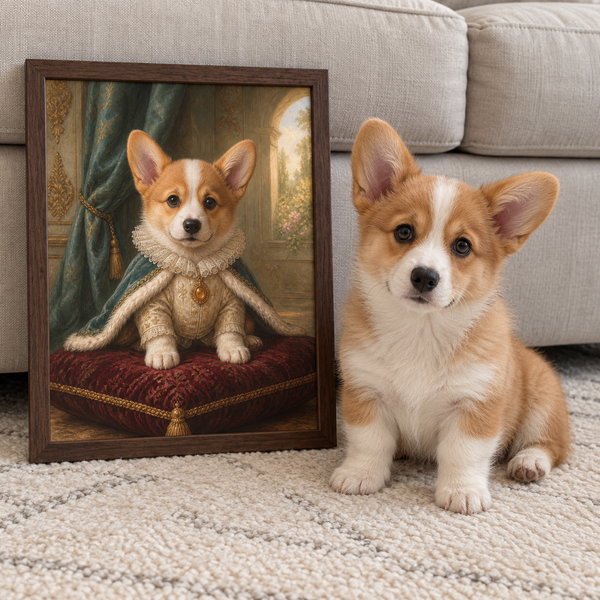
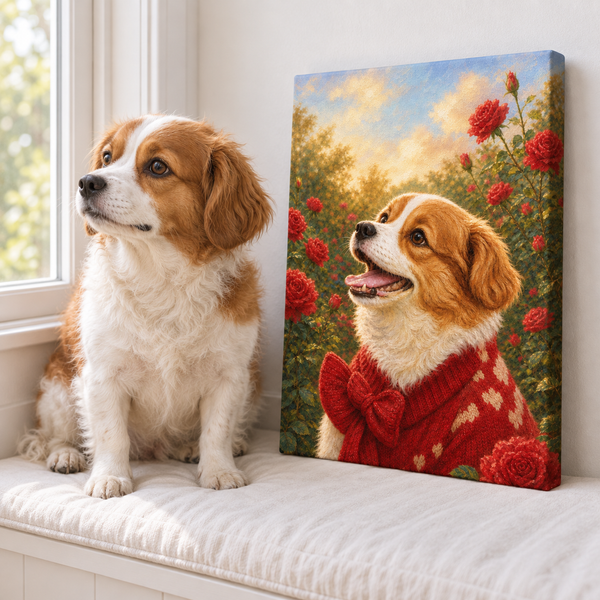
If your friend invites help choosing a tribute, Pawfolio's guide to pet memorial portrait ideas discusses image selection, symbolism, and wording with a gentler decision process. A custom pet portrait can preserve a familiar expression, but it should be offered as one possibility—not as a required next step in grief.
When selecting an image together, choose a photo that feels like the pet's life rather than automatically choosing the final or most formal picture. Pawfolio's Photo Tips can help assess focus, lighting, visible features, and markings once the person is ready to consider artwork.
The most helpful words are often the least complicated: name the pet, acknowledge the loss, and stay available without trying to solve it. A specific memory and one practical offer will usually say more than a perfect quotation. Speak in your own voice, listen longer than you explain, and let your friend decide what kind of remembrance—if any—feels right.