
A pet memorial website does not have to become a complete biography on the first day. It can begin with one photograph, your pet's name, and a few honest sentences. The rest can arrive slowly: the story behind a muddy walk, a nickname only the family used, a video of the tail thumping at dinner, or a note from the neighbor who always carried treats.
That small-first approach matters. The American Veterinary Medical Association explains that grief has no prescribed schedule and suggests that looking at photos or writing a tribute can be part of continuing a relationship through memories. Its pet-loss guidance also recognizes that the experience is different for everyone. A memorial page should respect that pace, not turn remembrance into another deadline.
The goal is a place that feels true to your pet, is comfortable for the intended audience, and is not the only place where important files exist.
Decide Who the Memorial Is For
Before choosing a platform or template, decide who should be able to see the page. It may be private for one person, shared by invitation with family, or public for friends from different parts of your pet's life. None of those choices is more loving than another.
Write one sentence that defines the audience: “This is a private family archive,” “This is a link we will share with close friends,” or “This is a public tribute for everyone who knew Luna.” That sentence will guide privacy settings, contributor access, tone, and how much personal detail belongs on the page.
If people appear in the photographs, consider whether they are comfortable being shown. Children's names, home addresses, veterinary documents, phone numbers, tags with readable contact details, and precise routine information do not need to be public. Crop, blur, or leave out anything that makes the page feel too exposed.
Also choose one person to be the page steward. This is the person who keeps the login information secure, approves contributions if needed, and knows where the independent backup is stored. A shared memorial can welcome many voices without giving every visitor full editing control.
Gather the Photos and Preserve the Originals
Collect likely material in one folder before building the site: favorite photographs, a few short videos, scanned notes, adoption records you want to keep privately, and a plain text file of remembered stories. You do not need to upload all of it. The folder is the archive; the website is one curated view.
Start by choosing seven to twelve images that show different parts of your pet's life. One clear face photo can lead the page. Add ordinary moments as well as polished ones: the sleeping position that took over the sofa, the worn tennis ball, the patient look beside an empty bowl. Pet memorial pictures feel personal when they reveal habits, places, and relationships rather than repeating the same pose.
Keep the highest-quality original when several copies exist. Give files descriptive names such as `2019-05-milo-first-beach-trip.jpg` rather than leaving a camera number as the only clue. The Library of Congress recommends identifying important digital photos, using descriptive names and folders, making copies in different places, and checking them periodically in its personal photo archiving guide.
The U.S. National Archives also recommends basic who, what, where, and when information and a 3-2-1 backup approach in its guide to digitizing family papers and photographs. In practical terms, keep three copies, on two kinds of storage, with one copy away from the primary location. The website should never be your sole copy.
Build a Small Page Before a Complete Life Story
A useful first version needs only a few parts:
- your pet's name and, if known, years of life
- one main photograph
- a short introduction of two or three paragraphs
- a small gallery
- three brief memories or milestones
- a place for invited contributions, if you want them
- a closing line that sounds like you
This structure works on a dedicated memorial service, a simple website builder, or a private page you already use. Before committing, check whether the service can make the page private, export your content, control comments, and preserve captions alongside images. Read what happens to the page if a free plan changes or an account becomes inactive.
Do not make the timeline do all the emotional work. Dates can organize adoption day, moves, birthdays, favorite trips, or a final season, but a pet's meaning often lives between milestones. A short section called “Things Charlie Always Did” may say more than a perfect chronology.
If the blank page feels difficult, publish the small version privately first. A pet memorial site can remain a draft until you are ready to send the link.
Write Like You Are Telling One Person the Story
Begin with what made the relationship recognizable. Instead of “Bella was the best dog,” try the detail that only her people would know: she carried one sock from the laundry basket to greet every visitor, or she waited at the same kitchen tile whenever carrots were cut. Specific moments allow readers to meet the pet rather than only being told how much they were loved.
Use short sections. You might write about how you met, favorite routines, peculiar rules, friendships with people or animals, and the moments that still make the family laugh. Exact dates are optional. “During our first winter together” is enough when the calendar has been forgotten.
Do not force a lesson, a polished ending, or language that feels grander than the relationship. It is fine for the page to be tender, funny, matter-of-fact, or unfinished. Avoid copying generic pet memorial quotes simply because they sound formal. Your own sentence about the sound of paws in the hallway may carry more meaning.
For more ways to shape the remembrance without turning it into a checklist, see these pet memorial ideas. They can help you decide what belongs online and what should remain a private object or ritual.
Invite Contributions Without Losing the Page's Shape
Other people remember different versions of the same pet. A dog walker may have a favorite route story. A sibling may remember the first night home. A veterinary team may know a gentler side of a nervous cat. Inviting those memories can add depth, but set boundaries before sharing the link.
Tell contributors what is useful: one photograph in the best available quality, a short caption, an approximate date, and a paragraph about the moment. Ask them not to post private contact information or photographs of other people without permission. If the platform allows public comments, decide whether they appear immediately or wait for approval.
Keep an untouched copy of every accepted contribution in the master archive, including the contributor's name if they consent. A comment box alone is fragile because a platform change, accidental deletion, or closed account could remove it.
Sharing does not have to be broad. Send the private link to two trusted people first and ask whether navigation, text size, and captions are clear. That small review can catch a missing name or inaccessible video without making the page feel like a public launch.
Maintain the Memorial and Add Physical Touchpoints
Set a simple maintenance rhythm you can actually keep. Once or twice a year, sign in, confirm that the page still loads, test a few images and videos, export the content if the platform offers that option, and verify that the independent backups can be opened. Update the steward information if responsibility changes.
You can add memories whenever they surface. A newly found puppy photo, a voice note from a friend, or a scanned drawing from a child does not make the first version incomplete; it shows that remembrance continues. Keep additions selective so visitors can still find the main story.
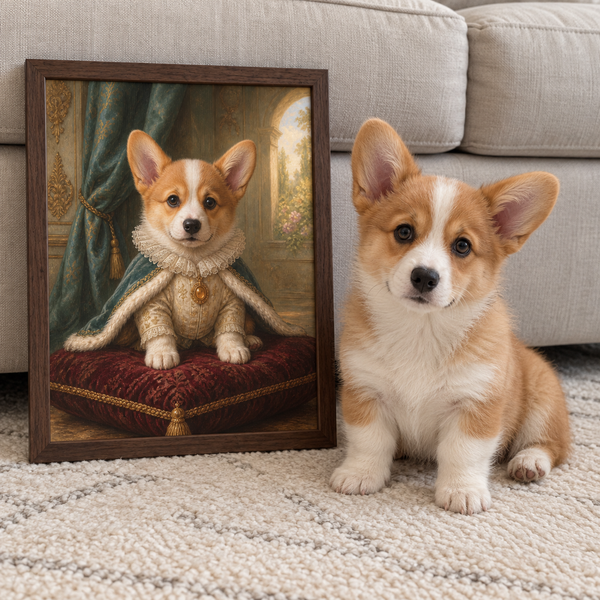
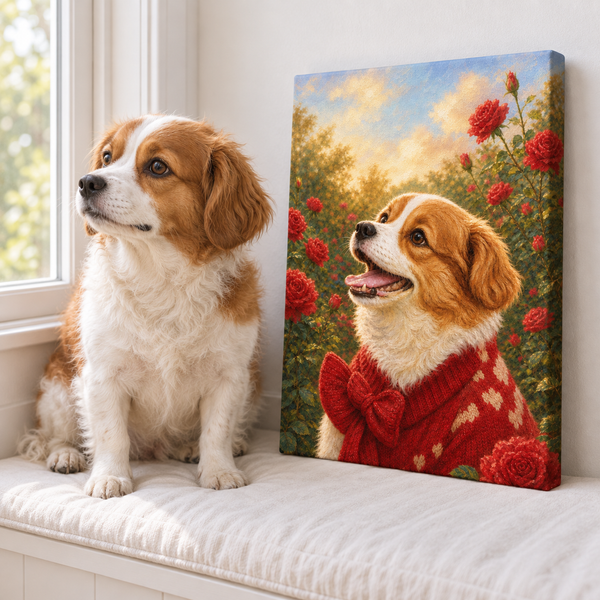
Some families also want one physical image that connects the online archive to the home. If you consider artwork, choose a photograph that shows the expression and traits people recognize. Pawfolio's pet portrait photo tips can help you assess the file, and this guide to pet memorial portrait ideas explains how to keep the tribute personal rather than generic. You can also view custom pet Art Prints if a wall piece feels right for your space. It is optional, not something a memorial website needs in order to be meaningful.
The page is finished enough when it gives you a place to return to. One clear photo, one true story, and a safely kept copy can be a complete beginning. Build from there only when you want to.