
Your cat has a wonderfully familiar expression until the phone comes out. Then you get a turned head, a disappearing tail, or an empty cushion. It is tempting to try harder, especially when you want a photograph for a portrait or a gift. A smaller plan is often more useful: choose one ordinary moment, prepare before it happens, and accept what the cat is willing to offer.
This guide explains how to photograph a shy cat with that limited goal. You will plan the setting, make a brief attempt, and assess the pictures afterward. A usable reference photo matters, but it never requires a cat to stay in place for your camera.
Choose the photograph you actually need
Start by deciding whether you want a keepsake of everyday life or a source image for custom artwork. Those photographs can overlap, but they do different jobs. A cat half-hidden behind a curtain may make you smile while leaving important facial markings difficult to see.
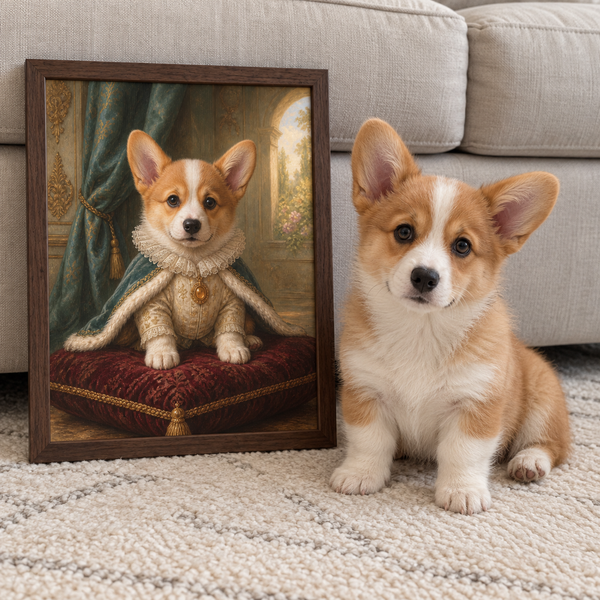
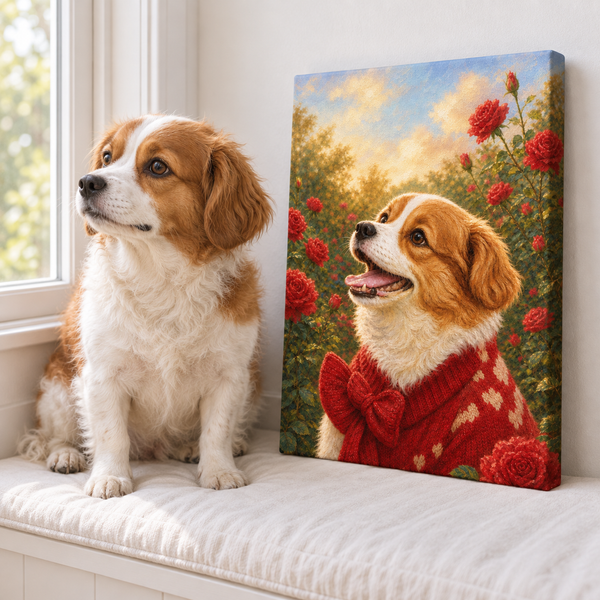
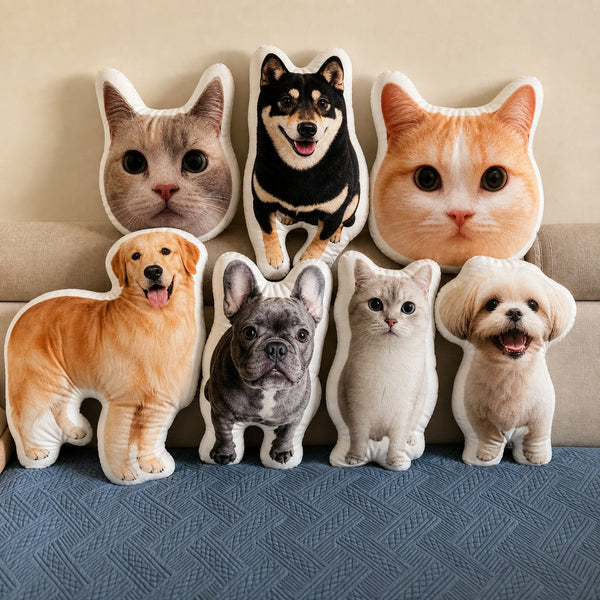
For a portrait reference, write down the features you need to preserve: the shape of the face, both ears, the eyes, and any distinctive patch of fur. Compare that short list with the Pawfolio photo guidelines for the product you are considering. You may already have a suitable original in your camera roll.
Review existing photographs before arranging another attempt. Do not reject an otherwise useful image just because it includes an ordinary sofa, a laundry basket in the background, or a pose you did not plan. The question is whether the actual pet is visible clearly enough for the intended artwork.
Set one achievable objective for the next attempt. “A clear view of the face from the usual cushion” is a better working brief than “a perfect studio portrait.” Leave outfits, elaborate backdrops, and a collection of props out of this first plan.
Keep a familiar place available
The AAFP and ISFM environmental needs guidelines emphasize access to a safe retreat and allowing cats to initiate and end human interaction. Apply that principle to photography: preserve the hiding place, keep the route to it clear, and stop if your cat moves away. Do not pull a cat from shelter or remove the shelter to improve a composition.
Choose somewhere your cat already spends time rather than carrying them to a location selected for its appearance. Look around that place before the cat arrives. Is there a position from which you can take a picture without standing over the resting spot or blocking the exit?
Make any small background adjustment in advance. Moving your own bright jacket from a chair may be enough. There is no need to reconstruct the room around the cat. Keep the familiar bed or cushion where it belongs, even if its color is not your first choice for a photograph.
Use the space as it actually works. If your best camera position would put you in the entrance to the hideaway, choose another angle or another occasion. A photograph can wait; the retreat should remain available throughout the attempt.
Prepare the camera before the moment
Charge the phone or camera, check that there is room to save pictures, and clean the lens according to the device maker's instructions. Open the camera before settling into position so you are not searching through menus when the cat appears. Make a practice picture of the empty setting to see what the camera includes.
For this first attempt, use available natural light instead of introducing flash equipment. Check whether the face will be visible from your intended position. If a bright window becomes the main thing you see in the practice picture, try a different camera angle while the space is empty. If the room is too dim for a useful image, plan for another time.
In Nikon's interview with photographer Tamara Lackey, her cat photography advice includes settling into position before bringing the camera into use. The useful idea is preparation and patience; you do not need the specific camera discussed in that article to make a quiet, modest attempt.
Keep your equipment plan simple. Pick a camera mode you already understand and a position you can hold comfortably. This is not the moment to learn several unfamiliar features or keep changing devices. The fewer decisions left to make, the easier it is to pay attention to the cat rather than the screen.
Make one quiet attempt and let it end
Think in terms of an opportunity, not an appointment the cat must complete. Take a picture when there is a clear view, then pause. Check the cat before checking your results. If they leave, lower the camera and finish rather than following from room to room for one more frame.
Consider this hypothetical setup: a shy tabby regularly rests beside a bedroom chair. You have already checked the view from the opposite side of the room. One afternoon, the cat settles there with the face unobstructed. You take a few photographs from your seat, and the cat then turns toward the doorway. That can be the entire session, even if none of the images is the final choice.
Do not add attention-grabbing noises just because the eyes are looking past the lens. A slight side view may be worth keeping. For other compositions to consider later, these cat portrait ideas can help you describe what feels characteristic without demanding a particular pose.
Choose a stopping point before enthusiasm takes over. You do not need to use all the time you set aside. Put the camera away when the opportunity ends, and review the images elsewhere so the resting spot can return to its ordinary purpose.
Review the image and the experience separately
First review the photograph. Open the original file at a useful viewing size and inspect the eyes, ears, and markings. Is the face actually sharp, or did the camera record the cushion more clearly? Are important features hidden? Does the image resemble your cat's real coloring without an added filter?
Then review how the attempt went. Write a brief practical note: where you sat, what light was available, what you captured, and when you stopped. For example, “Late afternoon, chair opposite cushion, face visible in two frames, ended when cat walked away.” This describes the event without claiming to know what the cat was thinking.
Keep longstanding shyness separate from a new change. VCA's guide to signs of pain in cats describes changes such as withdrawing from family interactions, hiding, eating less, or becoming reluctant to jump. If behavior changes or you are concerned about discomfort, contact your veterinarian. A photography adjustment is not a way to assess or treat a health problem.
If the pictures are unusable, identify the specific issue before deciding on another attempt. A missed focus point calls for a camera practice session without the cat. An obstructed face may call for a different opportunity. Neither requires repeating the whole setup immediately.
Save the useful frame without overediting
Keep the original file and make any experimental crop on a separate copy. Name a small selection clearly so you can find it again. Our guide to organizing pet photos offers a system for separating favorites from duplicates without losing the originals.
Choose the image that best answers your initial brief. A photograph with clear facial detail and an ordinary background may be more helpful than a dramatic image that hides an ear. Avoid trying to manufacture missing details with filters or editing tools, particularly when those details identify your pet.
If you are ready to explore artwork, the guide to turning a pet photo into art explains the next decision. Keep the chosen reference and any additional useful views together, and ask about suitability if you are unsure.
You do not need to turn every quiet afternoon into another photo session. Save the frame, note what worked, and let the familiar routine continue. A modest photograph that preserves your cat's actual expression can be exactly the picture you wanted to keep.