
People sometimes type “how much to clone dog” into a search box expecting one number. In the United States, the current advertised answer is about $50,000 for the cloning service itself. That figure is useful, but it is only the beginning of the decision.
Dog cloning involves collecting and preserving living cells, transferring genetic material into a donor egg, using surrogate dogs, and raising the resulting puppy until it can go home. It also raises a harder question: what, exactly, would be reproduced? A clone can share the original dog’s nuclear DNA, yet it will not inherit the same memories, learning history, daily routines, or relationship with you.
Here is a practical look at the cost, process, limits, and ethical concerns—without treating grief as a sales opportunity or a laboratory result as a way to bring the same individual back.
The Current US Price Is About $50,000
ViaGen Pets currently lists dog cloning at $50,000. Its dog-cloning cost guide describes that fee as all-inclusive for the cloning stage and says payment is divided into two equal installments. Because prices, policies, taxes, and availability can change, anyone seriously considering the service should request a dated written quote rather than relying on an older article.
The $50,000 figure does not necessarily include every step that happens before cloning begins. The company currently lists genetic preservation at $1,600, followed by an annual storage fee. Veterinary charges for collecting a tissue sample, shipping, taxes, international transport, and unused kits may also affect the total. A dog owner could therefore spend money preserving cells without ever proceeding to cloning.
The American Animal Hospital Association’s overview of pet cloning reports the same $50,000 US price and notes that genetic preservation is far more common than completing the full cloning process. That distinction matters: storing a viable cell line keeps an option open; it is not a reservation for a guaranteed duplicate of a pet.
Before paying, ask which services are included, which costs are nonrefundable, what happens if a sample does not yield viable cells, and what the company promises if no healthy puppy is delivered.
Cloning Begins With Living Cells, Not a Photograph
Commercial dog cloning generally starts with a small tissue sample collected by a veterinarian. The laboratory cultures cells from that sample and cryopreserves a viable cell line. Timing and handling matter, so a person facing an urgent end-of-life situation should speak directly with both the veterinarian and the laboratory instead of improvising with hair, ashes, or a household swab.
The cloning method is called somatic cell nuclear transfer. Technicians remove the nucleus from a donor egg and replace it with nuclear material from one of the preserved cells. Reconstructed embryos are then transferred to surrogate dogs. If a pregnancy develops and results in a healthy puppy, the puppy is nursed, weaned, socialized, and eventually delivered to the client.
That short description hides many biological steps. Egg donors and surrogate dogs are part of the process, and not every reconstructed embryo becomes a pregnancy or live birth. A consumer quote may bundle laboratory attempts and care, but it cannot turn reproduction into a simple copy command.
It is also why a clear contract matters. Ask how donors and surrogates are housed, how often animals are used, who provides veterinary oversight, how unsuccessful attempts are handled, and whether independent welfare information is available.
The Price Buys a Genetic Twin, Not the Same Life
A clone is often described as a later-born identical twin. That comparison is more accurate than “the same dog,” but even identical twins are separate individuals. Nuclear DNA can strongly influence appearance and some inherited traits. It does not contain a dog’s memories of your home, response to a particular nickname, favorite walking route, or years of learned behavior.
Development starts in a different egg, uterus, birth, household moment, and social environment. Training, nutrition, illness, stress, relationships, and chance all shape the new puppy. Coat markings may also differ when gene expression and developmental conditions influence how color appears.
This does not mean a cloned dog cannot become deeply loved. It means the relationship begins again with a new animal who deserves to be met on their own terms. Expecting the puppy to perform the original dog’s personality can create pressure for both the person and the animal.
A useful self-check is to finish this sentence honestly: “I would still welcome this puppy if they looked familiar but behaved very differently.” If the answer is no, genetic similarity may not be the thing you are actually seeking.
Ask What Happens Before, During, and After Delivery
The headline price can make the decision look financial, but the operational questions are just as important. Start with the sample. Who is qualified to collect it? How quickly must it reach the laboratory? Is cell viability confirmed before long-term storage, and will you receive documentation identifying the stored line?
Then examine the cloning agreement. Does the quoted fee include repeated attempts, veterinary care, surrogate care, neonatal care, transportation, and delivery? What counts as a successful outcome? If more than one puppy is born, who is responsible for the others? What health records, microchip information, and early socialization notes come with the puppy?
Finally, plan for ordinary puppy life. A cloned puppy still needs a veterinarian, vaccinations, preventive care, training, safe socialization, insurance or an emergency fund, and time to adjust. The cloning fee does not replace those responsibilities.
Do not let urgency erase due diligence. Genetic preservation and full cloning are separate choices. A preserved cell line may give you time to read the contract, discuss the decision with family, and consider whether grief is making an irreversible expense feel like an emergency.
Animal Welfare Is Part of the Cost Question
Any honest explanation must include the donor and surrogate animals, not only the eventual puppy. The procedure requires eggs, embryo transfers, pregnancies, and veterinary intervention. Companies may describe their care standards, while animal-welfare organizations question whether the process exposes multiple animals to risk for a nonmedical purpose.
The ASPCA position on pet cloning calls for a moratorium while welfare, oversight, records, and ethical consequences are evaluated by a multidisciplinary commission. That is a clear institutional position, not a neutral summary. The cloning provider has a different position and says its animals receive professional care.
Prospective clients should read both kinds of sources. Ask for specific, current information about animal numbers, procedures, complications, retirement or adoption of surrogates, and regulatory oversight. Marketing photos of the final puppy cannot answer those questions.
There is also a broader ethical choice about resources. Some people conclude that cloning is personally meaningful. Others would rather direct part of that budget toward veterinary care, rescue organizations, future adoption, or memorial work. No spreadsheet can make the value judgment for you, but the decision should include every animal involved.
Keepsakes Preserve a Story Without Claiming to Recreate a Dog
Sometimes the desire behind cloning is not really about genetics. It is about wanting something tangible after a death, fearing that a face or expression will fade from memory, or wishing you could hold one familiar shape again. A keepsake cannot restore a life, but it can preserve a story without asking a new animal to repeat it.
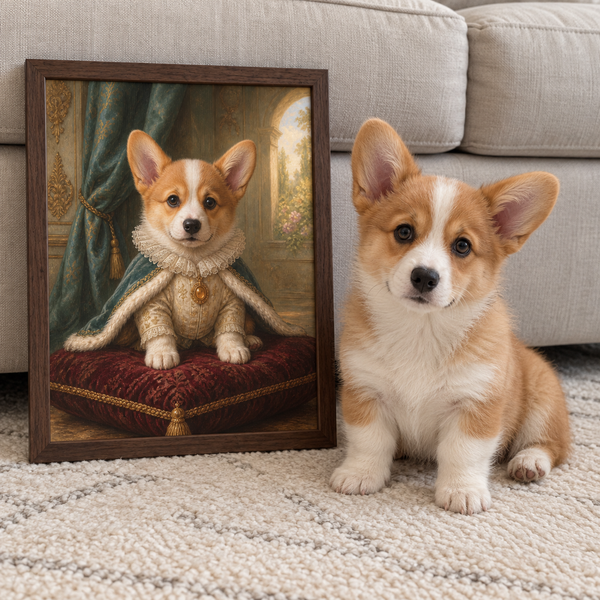
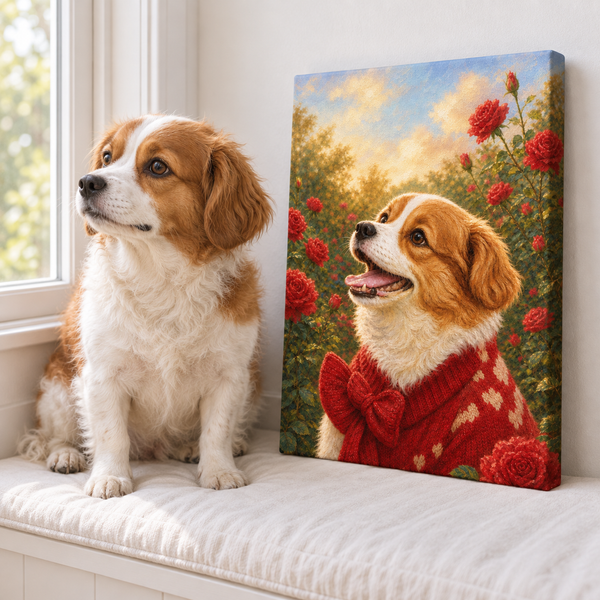
A portrait can focus on the look you remember most. A photo book can keep ordinary scenes—the car ride, the crooked sleeping pose, the muddy trail—together. Paw prints, a collar display, or a written timeline can hold details that DNA never could. Pawfolio’s guide to pet memorial portrait ideas helps match the format to the memory rather than to a trend.
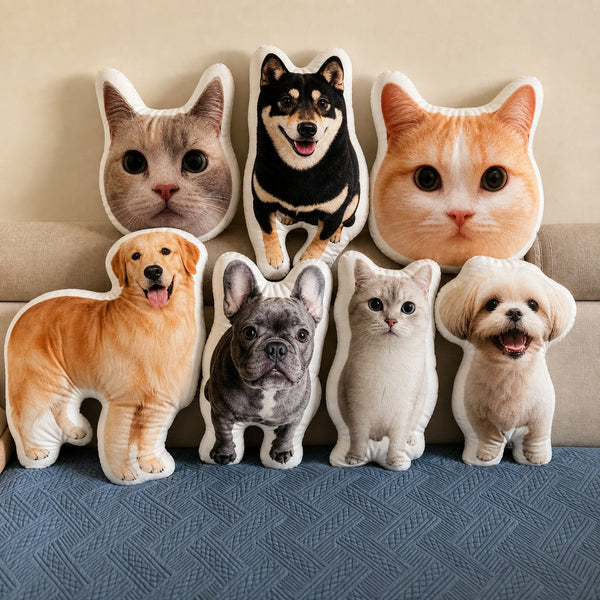
For someone who wants a three-dimensional likeness, a custom pet stuffed animal is an artistic object made from photographs, not a clone and not a substitute for the animal. The photo-to-stuffed-animal guide explains what reference images can and cannot communicate, while the broader guide to making a plush animal shows why proportion, fabric, and construction always involve interpretation.
Dog cloning currently carries a five-figure price, a complex reproductive process, and serious questions about identity and welfare. Take the time to separate the wish to remember from the wish to reproduce. The original relationship does not become less real because it cannot be copied.