
You put down the laundry basket, turn toward the washer, and notice your dog leaving with something small. An ordinary household chore has become another round of retrieving clothes. If you have been wondering, “Why does my dog like my underwear?” scent, texture, and the attention that follows can all be part of the answer.
The useful distinction is what happens next: carrying a garment, tearing it, and swallowing it call for different responses. Start by checking whether any material is missing. Then build a routine that keeps laundry out of reach and gives your dog something appropriate to do while you sort, fold, or get dressed.
First, check whether any fabric was swallowed
If you saw your dog swallow underwear, or have reason to suspect they did, contact your veterinarian or an emergency veterinary clinic promptly. Do not wait for symptoms. Explain what is missing and roughly when it happened. The clinic can advise you based on your dog and the item involved.
Fabric can become a gastrointestinal foreign body. VCA’s guidance on swallowed objects describes possible warning signs including vomiting, reduced appetite, abdominal pain, diarrhea, and lethargy. A dog passing some stool does not give you a reliable answer about whether an object is causing trouble.
Keep the remaining garment or take a photo so you can describe its size, missing pieces, and elastic. If the item simply disappeared, say that rather than guessing that it was swallowed. Accurate information helps the clinic assess the situation.
Do not try to make your dog vomit or give a home remedy without veterinary direction. Pet Poison Helpline explains why inducing vomiting can be unsafe. A veterinary call comes before any training exercise when ingestion may have occurred.
Look at the whole sequence, not just the stolen item
There is no single motive that fits every laundry raid. The American Kennel Club’s explanation of underwear and sock chewing identifies owner scent, an appealing object to chew, and the activity or attention surrounding theft as possible factors. Some dogs discover that picking up clothing reliably starts a chase.
That does not mean every dog who carries a sock is anxious, nutritionally deficient, or showing affection. Watch the sequence: where the item came from, whether your dog headed toward you or away, and whether they carried, chewed, or swallowed it. Those are observations you can share; a diagnosis requires more than the object they chose.
For example, “picked up a sock while I sorted clothes and ran when I followed” is more useful than “was being naughty.” “Found a torn waistband after I returned home” describes a different situation and deserves a call if material may be missing.
If the behavior involves bedding too, our article on dogs nibbling blankets discusses that separate pattern. Avoid assuming that gentle nibbling and repeated fabric ingestion mean the same thing.
Change the laundry route through your home
Think of laundry as a route with several stops: getting undressed, storage, sorting, washing, drying, and folding. A closed hamper helps at one stop. It cannot protect the sock dropped beside the bed or the clean pile waiting on a chair.
Walk through that route before the next load. Identify the easiest place for your dog to get a garment and change that step first. You might put a latching hamper where clothes actually come off, close the bedroom door while sorting, or carry clean laundry directly to a room where you can put it away.
A practical household checklist is:
- Put clothes inside a container your dog cannot open, tip over, or reach into.
- Keep laundry bags, overnight bags, and floor piles behind a closed door.
- Check the floor after moving a load between rooms or machines.
- Ask visitors and children to follow the same storage routine.
- Give your dog a comfortable place outside the sorting area before you begin.
Make the arrangement easy for people to use. A hamper in a distant room may be less useful than one beside the place everyone gets changed. If you are reorganizing a shared space, our dog room ideas can help you plan rest and storage areas together.
Treat access prevention as an everyday household habit. You should not need your dog to perform a perfect cue every time someone drops a garment.
Practice giving things up during a calm moment
A dog holding stolen underwear is a poor starting point for teaching a new skill. Practice with an appropriate toy in a quiet setting first. Battersea’s drop-it guidance uses positive exchanges and gradually builds the dog’s ability to release an object.
Begin with a toy your dog can comfortably give up. Offer a suitable food reward or another toy, and let them release the first item voluntarily. Keep practice short. Follow a consistent training plan so the cue predicts a rewarding exchange instead of a confrontation.
If laundry is already in your dog’s mouth, stay calm. A familiar exchange may help you recover an intact garment, but avoid chasing, cornering, or reaching into the mouth. If your dog stiffens, growls, guards items, or has a history of swallowing them when approached, get professional guidance rather than trying to overpower them. Keep children away from the interaction.
After retrieving an item, put it away immediately. A successful exchange is only part of the fix; leaving another garment available creates the same problem again. Tell everyone in the household which cue and reward you are practicing so the response stays predictable.
Keep clothing and chewing activities separate
Before starting laundry, choose an activity that already suits your dog: an appropriate chew toy, a familiar food toy used according to its instructions, or supervised play with someone else. Select the item for your dog’s size and chewing habits, and remove it if it becomes damaged.
Do not assume that a soft object is suitable simply because your dog likes carrying it. Our guide to why dogs like stuffed animals explains why toy preference and safe use need separate attention. A dog who tears and swallows fabric needs individual advice about suitable alternatives.
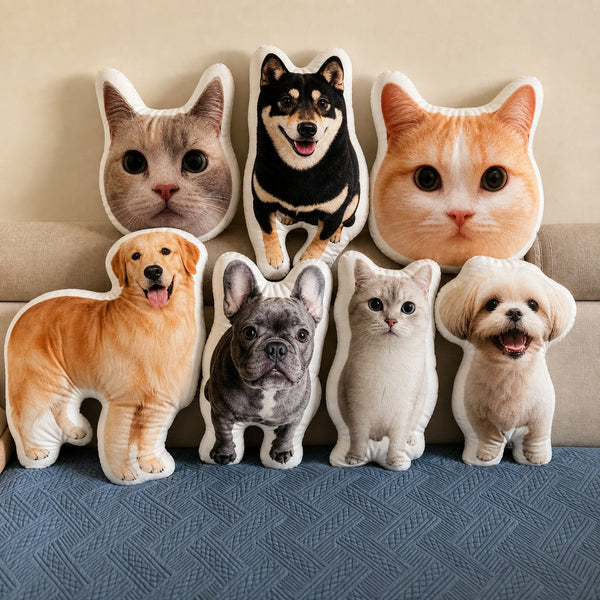
Keep a clear distinction in your own storage, too. Human garments belong with the laundry, including personalized clothing featuring your pet. A familiar face printed on a shirt does not make it a pet toy. Store sentimental clothes as carefully as ordinary socks and underwear.
For the next wash, prepare the space in this order: put loose garments away, set up your dog’s activity, close off the sorting area, then bring out the basket. This is a suggested household routine, not a test your dog has to pass. Adjust it to the rooms and help available in your home.
Record repeat episodes and ask for help early
Persistent eating of non-food objects warrants veterinary attention. VCA’s explanation of pica describes both medical and behavioral possibilities. Repeated ingestion should not be dismissed as a funny habit or treated with supplements chosen without a diagnosis.
Keep a brief record of the date, item, access point, what you actually observed, and any appetite or behavior changes. Include medication or diet changes when speaking with your veterinarian. A short factual note is more useful than an elaborate account written from memory several weeks later.
You can also record what prevented access: the new hamper stayed closed, the bedroom door was shut during folding, or no clothing reached the floor. These small checks make it easier to identify which part of the routine is working.
Today’s first step is simple: account for the garment and call the vet if ingestion is possible. Once that concern is addressed, choose one laundry access point to fix and one calm exchange exercise to practice. Progress means fewer opportunities to steal clothes and a safer way to recover them when mistakes happen.