
One dog carries the same plush toy from room to room and sleeps with it under their chin. Another grabs a stuffed animal, shakes it hard, finds the squeaker, and opens a seam within minutes. Both dogs appear to love the toy, but they are using it in very different ways.
Why do dogs like stuffed animals? Soft toys can support several ordinary activities: carrying, mouthing, retrieving, shaking, cuddling, or inviting a person to play. The useful explanation comes from the whole pattern—not from the plush object alone. Watch what your dog does, when they do it, and whether the toy remains safe.
Start with what your dog actually does
“Likes stuffed animals” can describe a range of interactions. Identify the action before assigning a reason.
- Carrying: the dog walks around with the toy held gently in the mouth.
- Retrieving: the dog brings it back after a toss or presents it to a person.
- Cuddling: the dog rests against it, licks it, or keeps it near a sleeping area.
- Shaking or pouncing: the dog grabs, tosses, and vigorously shakes the toy.
- Dissecting: the dog focuses on a seam, squeaker, face, or appendage and pulls it apart.
- Guarding: the dog's body stiffens, they hover over the toy, or they resist another person or animal approaching.
One dog may switch among several of these. A toy carried calmly in the evening may become part of energetic play the next morning. That flexibility is one reason plush toys can remain interesting.
Soft toys fit several kinds of play
Stuffed toys are light enough to pick up and soft enough to grip. A dog can chase one, retrieve it, tug under supervision, shake it, or settle beside it. Unlike a hard ball, a plush toy changes shape in the mouth, which may make it satisfying for dogs that enjoy carrying and mouthing. If the same mouthing is focused on bedding rather than toys, the guide to why dogs nibble on blankets helps you separate settling, chewing, and ingestion risk.
Some dogs seem most interested in the movement and sound. A floppy shape can swing when shaken, and a squeaker produces immediate feedback. Other dogs ignore the squeaker and simply parade around with the toy. Preference varies by the individual dog, the toy's size and texture, and the way people have played with it before.
You do not need to prove one ancestral story to understand the practical pattern. If the dog stays loose, pauses easily, and brings the toy back for another turn, it is functioning as play. If the dog tears pieces away and tries to swallow them, the safety problem matters more than the original motivation.
Carrying can be part of greeting and interaction
Many owners notice their dog pick up a stuffed animal when someone comes home. The toy gives the dog something familiar to carry during an exciting moment. If people smile, talk, or begin a game when the dog arrives with it, that response can also make toy-carrying part of the greeting routine.
Look at what happens next. Does the dog approach with a loose body and invite you to follow? Do they want a gentle toss, or do they prefer to keep moving with the toy? Some dogs present an object without wanting it taken immediately.
Avoid turning every greeting into a chase. If you need the toy, ask for a familiar cue and trade for another item or reward. Calm exchanges help preserve the interaction without teaching the dog that people always snatch valued objects.
A familiar plush may become part of settling
A soft object can acquire the scent of the dog, the home, and the people who handle it. Some dogs bring a favorite plush to a bed or couch, mouth it briefly, and then fall asleep. In that context, the object may simply be part of a learned rest routine.
Do not diagnose anxiety from cuddling a toy. Check the broader picture: appetite, sleep, willingness to play, ability to relax without the object, and any recent changes in the home. If the behavior is new, intense, or accompanied by distress when the dog is alone, discuss the whole pattern with a veterinarian or qualified behavior professional.
Everyday connection can include quiet routines as well as active games. Pawfolio's guide to showing your dog love through daily choices explains how predictability, consent, sniffing, play, and comfortable rest work together without forcing affection.
Puppies often explore plush toys with their mouths
Puppies investigate objects by mouthing and chewing, and a soft toy may be easier to grip than a rigid one. That does not make every stuffed toy appropriate for every puppy. Size, construction, chewing intensity, and supervision all matter.
Give a new toy during a time when you can watch how the puppy uses it. A dog who carries and releases it gently presents a different risk from one who opens a seam immediately. Rotate toys based on actual use rather than assuming that a “puppy” label makes an object indestructible.
If a toy becomes the target of constant destructive chewing, replace the activity with an option designed for that dog's size and chewing style. The goal is not to punish interest in soft textures; it is to prevent the dog from practicing swallowing fabric, stuffing, or squeaker parts.
Know when a stuffed toy is no longer safe
The AKC's toy-shopping guidance recommends inspecting toys and removing a plush toy when it is ripped and stuffing is coming out. It also warns that squeakers can be swallowed and create choking or intestinal-blockage risks.
Use a simple plush-toy check before and after play:
- Choose a toy too large to swallow whole.
- Check seams, eyes, tags, ribbons, and attached pieces.
- Supervise the first several sessions and any vigorous play.
- Remove the toy if stuffing or the squeaker becomes accessible.
- Do not leave a known shredder alone with a plush toy.
- Store children's stuffed animals and decorative keepsakes out of reach.
Call a veterinarian promptly if you know or suspect that your dog swallowed part of a toy. The AKC guide to intestinal blockage describes warning signs that can include vomiting, appetite loss, abdominal pain, diarrhea, dehydration, and lethargy. Do not wait for every possible symptom to appear before asking for professional direction.
Respond carefully if the dog guards the toy
A dog who freezes, hard-stares, growls, snaps, or blocks access is communicating discomfort about losing the item. Do not test the behavior repeatedly or have a child take the toy. Create distance, prevent competition with other pets, and use safe management while seeking qualified guidance.
The AKC resource-guarding guide emphasizes early prevention and training rather than allowing possessiveness to escalate. In ordinary situations, teaching a reliable trade or drop cue with rewards is more useful than grabbing the toy or chasing the dog.
If guarding has already involved a bite or serious threat, work directly with an appropriate professional who can assess the dog and household. An online article cannot safely prescribe a plan for every case.
Separate dog toys from personalized keepsakes
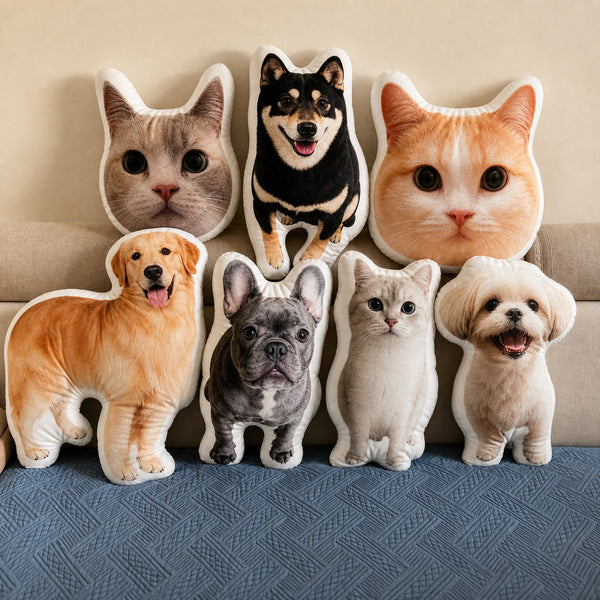
A custom plush made to resemble a pet has a different purpose from a dog toy engineered for chewing and interactive play. Pawfolio's custom pet stuffed animals are personalized keepsakes created from a pet photo; they should not be given to a dog to chew, shake, or dissect.
Keep the finished keepsake on a shelf, bed, or display area the dog cannot access. If you are curious about how photo choice, head-only versus full-body framing, and the artwork process affect that type of item, the guide to custom stuffed animals from a pet photo explains what to expect before ordering.
The answer to “why” is usually found in the way the dog uses the object. Gentle carrying may be part of greeting, cuddling may belong to a rest routine, and vigorous shaking may simply be a preferred play style. Observe the pattern without overinterpreting it, choose toys for the dog in front of you, and remove any plush that becomes a source of swallowing, conflict, or injury.