
People often express affection with hugs, face-to-face closeness, and excited greetings. Some dogs enjoy those things. Others tolerate them, and a few would rather receive love as a slow walk, a familiar routine, or the freedom to rest without being touched.
If you are wondering how to show your dog you love them, start with the dog in front of you rather than a universal gesture. Love becomes easier for a dog to experience when it arrives as safety, predictability, enjoyable time together, and respect for their signals.
The nine ideas below are ordinary on purpose. A strong relationship is usually built in repeated small moments, not one dramatic display.
1. Learn your dog's “yes” and “no” signals
Pet your dog for a few seconds, then pause. A dog who leans closer, nudges your hand, or remains loose and engaged may be asking for more. A dog who turns away, moves off, becomes still, or repeatedly licks their lips may be asking for space.
The Canadian Association of Professional Dog Trainers explains that canine consent is communicated through body language. Giving a dog a way to opt in or disengage is useful during affection, grooming, training, and handling.
Preferences can change with age, pain, fatigue, location, and mood. Respecting today's answer does not weaken the bond. It teaches the dog that communication works.
2. Make important parts of the day predictable
Dogs do not need every minute to follow a rigid schedule, but they benefit from knowing that essential needs will be met. Regular meals, bathroom opportunities, rest, medication, and time with you create a dependable framework.
Predictability matters most during change. If work hours shift or visitors arrive, preserve a few familiar anchors: the same morning walk, evening settling routine, or quiet place. Reliability may look unremarkable to people, but it is one of the clearest ways to show a dog they can count on you.
3. Let walks include time to sniff
A walk can be transportation, exercise, exploration, or all three. Build in portions where the dog can investigate at a safe pace instead of being hurried past every scent.
Choose a route and duration appropriate for the dog's health, age, weather, and confidence. A senior dog may value ten calm minutes on a familiar block more than a long outing. A young dog may enjoy a mix of movement, simple cues, and exploratory pauses.
The loving part is not the distance logged. It is paying attention to what makes the outing comfortable and interesting for that individual dog.
4. Play the game your dog actually likes
Not every dog wants fetch, and not every dog wants to wrestle. Some prefer tug, scent searches, chasing a moving toy, finding scattered kibble, or practicing a familiar trick for rewards.
Watch for loose movement, voluntary re-engagement, and the dog bringing the activity back to you. Add pauses so excitement does not keep climbing. If the dog walks away, let the game end instead of repeatedly placing the toy in front of them.
Five focused minutes can be more meaningful than an hour of half-attention while you look at a phone.
5. Use reward-based training as shared communication
Training can make daily life easier, but it can also become a cooperative conversation. Teach useful skills in small steps, reward success, and arrange the environment so the dog has a reasonable chance to choose the right response.
The American Veterinary Society of Animal Behavior's humane dog training position recommends reward-based methods and advises against aversive techniques. From a relationship perspective, that means showing the dog what works without relying on fear, pain, or intimidation.
Keep sessions short enough that both of you can finish successfully. A clear cue, an achievable task, and a reward the dog values create a pattern of being understood.
6. Protect uninterrupted rest
Dogs need a place where they can settle without being climbed on, repeatedly called, or surprised. That might be a bed in a quiet corner, an open crate the dog already enjoys, or a room away from busy visitors.
Teach children and guests that a resting dog should be left alone. Place the bed away from constant foot traffic and give the dog access to a comfortable temperature and water. Rest is not rejection; it is a normal need.
This is also where consent matters. A dog curled up in their safe place does not need to accept a hug to prove closeness.
7. Notice changes before they become crises
Knowing your dog's normal patterns helps you recognize when something is off. Pay attention to appetite, drinking, movement, sleep, bathroom habits, willingness to interact, and comfort with handling.
Love includes routine veterinary care and prompt attention to meaningful changes. It also includes practical details: keeping identification current, using safe restraints in vehicles, providing appropriate parasite prevention as advised locally, and adjusting the home for mobility as the dog ages.
You do not need to interpret every behavior alone. When a change is sudden, painful, escalating, or confusing, a veterinarian or qualified behavior professional can help.
8. Give affection in the form your dog prefers
The clearest answer to “how to show a dog you love them” may be different for every household. One dog wants a chest scratch. Another wants to lean beside you without hands moving over their body. Another lights up when invited to search for treats in the yard.
Whole Dog Journal's guide to dog-preferred affection recommends observing whether the dog seeks more contact after a short pause. Use that response as information rather than assuming every dog enjoys head pats or close restraint.
Affection can also be quiet. Sitting nearby, opening the door for a sniff break, or moving a bed into the patch of sun your dog always chooses may communicate attention more clearly than an elaborate gesture.
9. Preserve ordinary moments without interrupting them
The tilted ear during breakfast, the spot your dog claims on the couch, and the look they give you before a walk are easy to overlook because they happen every day. Photographing a few of those moments can help you notice the relationship as it actually is.
Keep the process light. Use natural light, move to the dog's level, and take the picture without repeatedly repositioning them. Pawfolio's Photo Tips explain how to keep eyes, ears, markings, and coat color clear if the image may later become artwork. Our family portrait with dog ideas also offer low-pressure group setups.
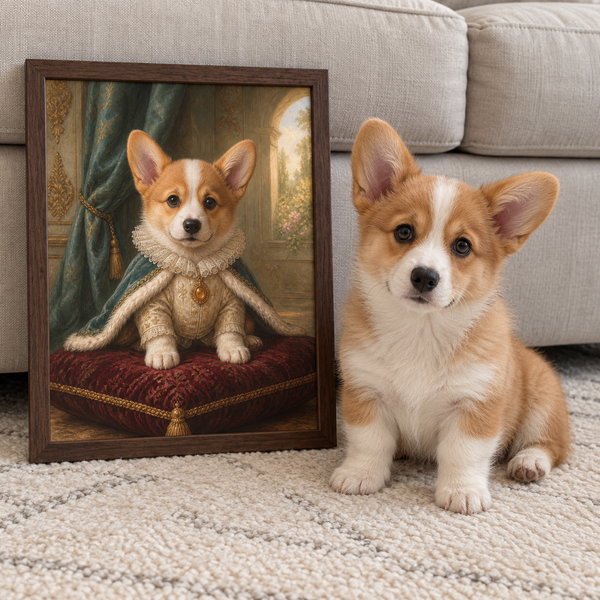
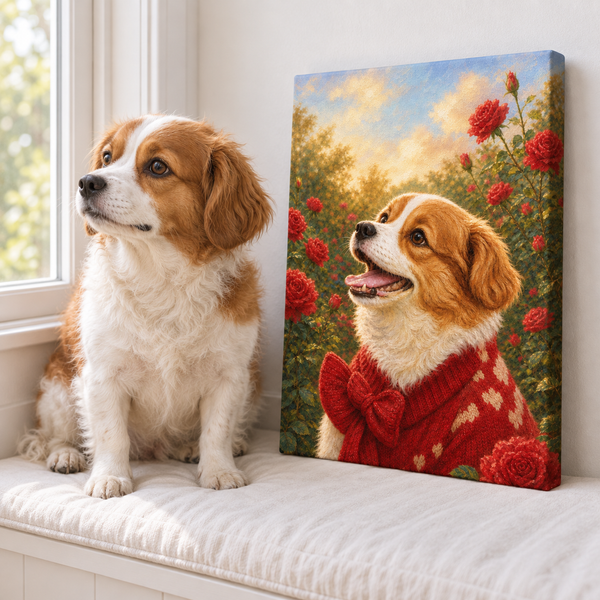
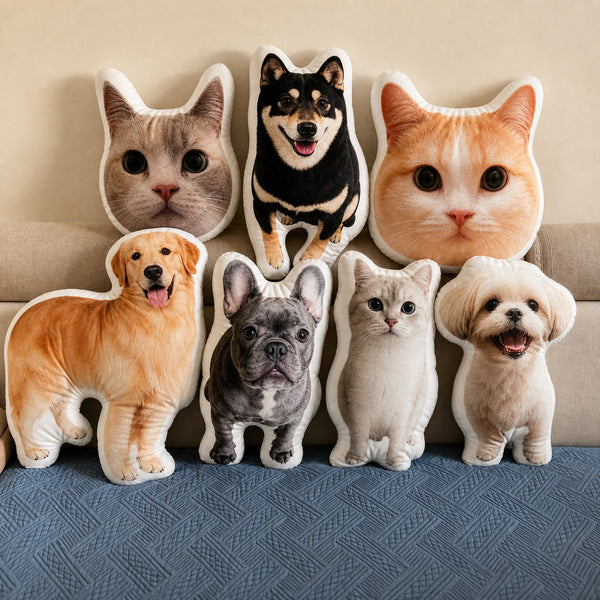
If one everyday image captures the expression you know by heart, it can become a custom pet portrait rather than staying buried in a phone gallery. The related guide on turning a pet photo into art explains the choices that shape the finished piece.
Build a personal love-language list
For one week, note three things:
- what activity your dog asks to repeat;
- what kind of touch or proximity they choose;
- what routine helps them settle.
At the end of the week, you will have a more useful list than any generic collection of affectionate gestures. You may discover that your dog values a morning sniff walk, a predictable dinner, a three-second chest scratch, and an undisturbed nap more than anything showy.
How do dogs show affection in return? They may seek proximity, initiate play, relax nearby, or check in with you—but individual signals vary, and no single behavior proves the entire relationship. Focus less on testing whether your dog loves you and more on creating a life in which they can feel safe, heard, and interested in being with you.