
When a friend’s dog dies, the urge to do something can be strong. You may start looking for sympathy gift ideas and find a long list of objects: frames, blankets, jewelry, portraits. Any of them might be right for one person and painfully mistimed for another. The more useful first question is not “What should I buy?” but “What would be easy for this person to receive?”
A thoughtful gift does not need to make grief visible in their home. It can be a small act of help, a quiet note, or an offer they can accept later. If you are choosing for someone who has lost a dog, let their relationship with that dog—and their wishes now—guide the decision. There is no universal schedule for when a keepsake will feel welcome.
Begin with the person, not the product
Consider what you already know. Do they display family photographs and keepsakes? Are they private about difficult moments? Have they talked about wanting to preserve a particular picture of their dog, or are they still deciding what to do with their belongings? You do not have to interpret silence as an answer. When you are unsure, choose something that gives them room to decide.
The RSPCA’s guidance on supporting someone through pet bereavement centers on acknowledging the loss, listening, offering practical help, and respecting a person’s need for space. That is a sound test for a gift as well. A present that demands a public reaction can add work to a difficult day; one that quietly says “I’m here” leaves the choice with them.
The dog’s name matters more than a generic slogan. If you know it, use it naturally in a note. Avoid trying to explain the loss away or promising that a keepsake will make someone feel better. Grief is not a problem an object can solve. Your role is to show that this particular dog and this particular relationship mattered.
Make the first gesture easy to receive
A card or short message is often enough for a first contact. You could write, “I’m so sorry about Milo. I know how much he was part of your days. No need to reply—I’m thinking of you.” That acknowledges the dog and removes the pressure to respond. If you are struggling to find your own words, our guide to what to say when a friend loses a pet offers more examples without asking you to sound polished.
Keep the delivery as quiet as the message. A note can be sent without announcing it in a group chat. If you are close enough to drop something at their door, ask first or arrange a time that does not require them to host you. The considerate choice depends on your friendship and their circumstances; a surprise visit is not automatically supportive because the intention is kind.
You can also say what you are able to offer later: “If you ever want me to help sort through photos, I can.” Make that an open invitation rather than a task they must schedule immediately. There is no deadline by which a friend has to be ready to talk, receive visitors, or look at images.
Consider practical help as a gift in its own right
Among gifts for someone who lost their dog, practical support can be the most welcome—and the least visible. Offer to bring a meal, pick up groceries, handle an errand, or walk with them if they want company. Be specific enough to make accepting easy: “I can bring dinner on Thursday; would that help?” is gentler than asking them to invent a job for you. If they decline, accept that without turning the refusal into another conversation they have to manage.
The Association for Pet Loss and Bereavement recommends listening without judgment and offering practical help. You do not need to find a dramatic gesture to be useful. Quiet tasks can free a little attention for the person to spend however they need. What helps will vary, so treat an offer as an option, not a prescription.
If distance makes hands-on help impossible, a modest food delivery credit or a written offer to check in can serve the same purpose, provided it suits your relationship. Avoid gifts that create chores, require a trip, or need a quick decision about where they will live. The value is in reducing demands, not increasing them.
Ask before giving a visible memorial
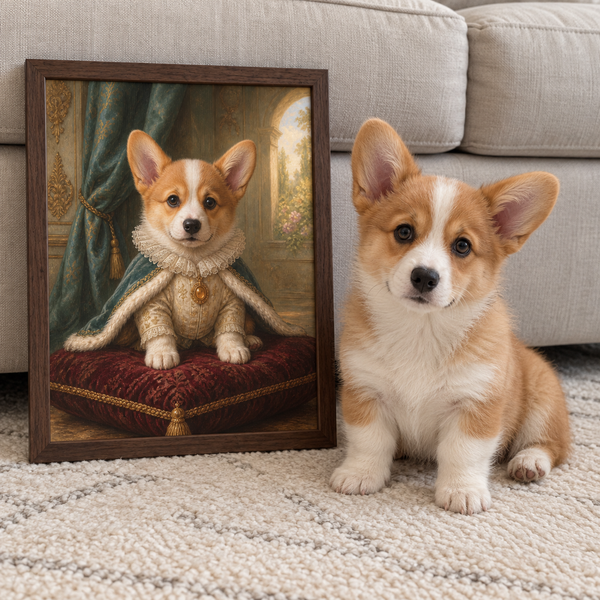
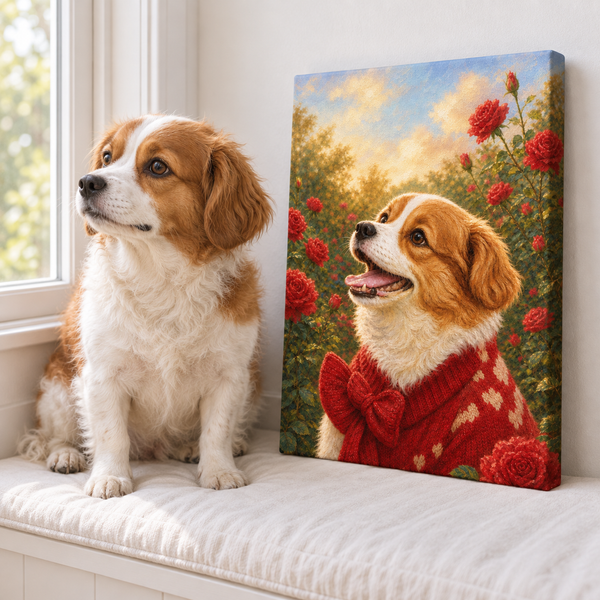
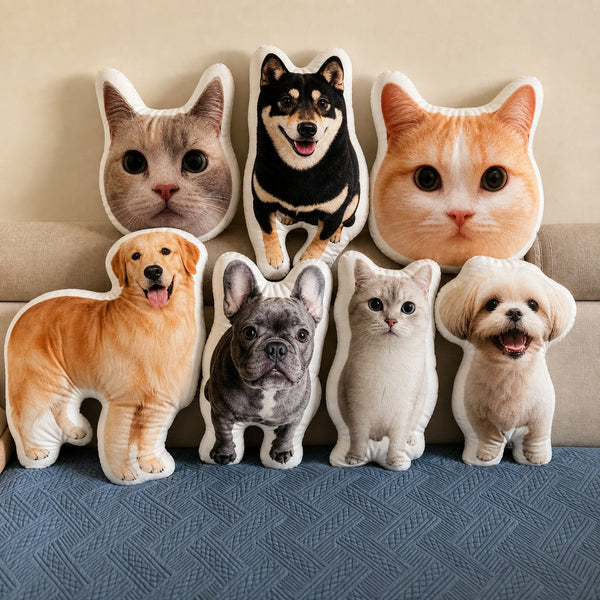
A custom portrait, framed photograph, engraved object, or memorial plant can be deeply personal. It is also something the recipient may feel expected to display. Before ordering, ask a low-pressure question: “Would you like a photo keepsake of Luna at some point, or would you rather I wait?” The answer can be yes, no, or not now. All three deserve respect.
If you want to keep the offer a surprise without choosing the object for them, consider a card that says you would be glad to help make a keepsake whenever they feel ready. Do not ask them to choose an image on the spot. They may want to select a photograph later, involve someone else in the family, or keep that memory private. A personalized gift is most personal when the person receiving it has some say.
Our pet memorial ideas guide explores different ways people remember an animal; none is required. A collar in a box, an ordinary snapshot on a shelf, or no visible memorial at all may be the right choice for this household. Avoid treating one form of remembrance as more loving than another.
If they want a keepsake, make it truly theirs
Once you have a clear yes, choose from their memories, not from a template of what grief is supposed to look like. Ask whether they have a favorite photograph and whether they would prefer a subtle picture or a more prominent piece. The dog’s expression, a familiar pose, or a small detail such as an ear marking can make the image feel like their companion. A solemn quote is optional; it should not be added just because it appears on many dog sympathy gifts.
Consider where the gift could go and how much control the recipient would have over it. A loose photograph can stay in an album. A print can be framed later or stored until they want it out. If they specifically want custom artwork, Pawfolio Art Prints offers photo-based portrait options; check the chosen product’s current design and framing choices with them before ordering. It is an option, not a better way to grieve.
If you are selecting a reference photo together, prioritize one they recognize and love over the technically neatest image. Our photo guide explains what helps when preparing an image for art. Be clear about whether you are offering to pay, to organize the files, or simply to sit with them while they choose. A gift should not quietly become an assignment.
Give without asking for a reaction
When you send or hand over the gift, a simple line is enough: “I saw this and thought of Luna. You do not need to open it now.” If it is a keepsake they approved, tell them why you chose that image without claiming it will comfort them. If it is practical help, follow through on the agreed detail and then let them set the pace of the conversation.
Do not use the gift to check whether they are “doing better.” They might be grateful and sad at the same time, leave the package unopened, or want to talk for an hour. None of those responses measures the quality of your care. Give them permission to react privately, and do not make them reassure you that you chose correctly.
The best sympathy gift idea is the one that respects the person who will receive it. Start with acknowledgment, offer help you can actually provide, and ask before turning a memory into something permanent. A meaningful gesture can be as small as remembering the dog by name—and being willing to listen when your friend wants to speak about them.