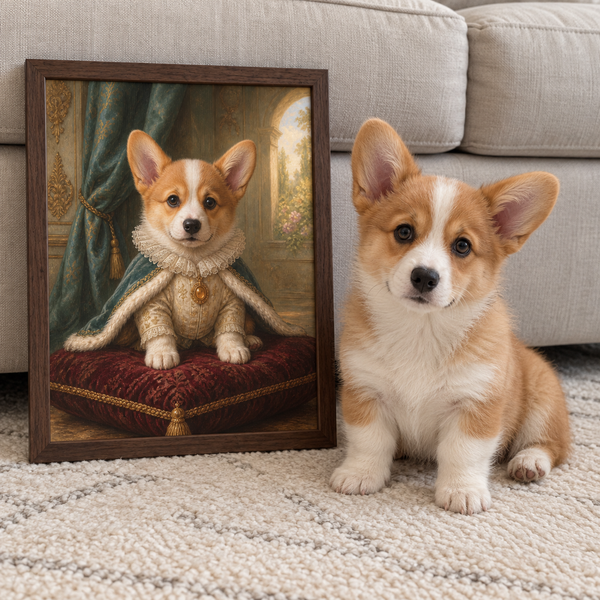


Giving a puppy as a Christmas present can mean very different things. It might be a contribution toward an adoption that the future owner has been planning for months. It might also mean arriving with an animal that the household has never agreed to care for. The festive wrapping does not make those situations equivalent.
The most useful conversation happens before an animal is chosen or a deposit is paid. Separate the gift you want to offer from the decisions about ownership, the individual dog, and the arrival date. That leaves room for a generous gesture without making someone else's long-term commitment on their behalf.
Separate the gift from the ownership decision
There is no need to claim that every gifted pet will be unwanted. The ASPCA's position on pets as gifts centers on the recipient having a sustained interest in owning a pet and being able to care for it responsibly. It also emphasizes a trustworthy source and enough time to help the animal settle in.
The AVMA's holiday guidance cautions against surprising someone with a live animal and recommends involving the future owner in the choice. These organizations do not frame every situation identically, but both make the practical commitment more important than the presentation of the gift.
For your own planning, keep three decisions separate: “I would like to help,” “we want this particular dog,” and “we are ready to bring the dog home on this date.” Agreement with the first does not automatically settle the other two.
You can keep a contribution or a thoughtful card as a surprise while discussing ownership openly. If the recipient is uncertain, do not use a booked collection date or a child's anticipation to turn that uncertainty into an obligation.
Find out who actually wants the responsibility
Someone saying that puppies are adorable is not the same as asking to live with one. Begin with a direct conversation about whether they want a dog now, whether they want a puppy specifically, and what kind of daily life they can offer.
For a child, enthusiasm can be part of the family conversation, but the adults need to be willing to carry the responsibility. Decide who will arrange veterinary care, manage training, supervise interactions, and take over when school or other commitments intervene. A child's promise should not be the entire care plan.
For an adult recipient, avoid negotiating with everyone except that person. A partner or relative may know some preferences, but the future caregiver should have room to say yes, later, or no. Discuss the needs of the people and animals already living in the home as well.
Housing is another practical question to settle early. Check applicable rental or community requirements before making a commitment. If permission, a move, or another household issue remains unresolved, pause the animal decision rather than hoping the puppy's arrival will make it easier.
The conversation may reveal that an adult dog, a later date, or no new pet is the better choice. Let that information change the gift plan.
Rehearse an ordinary week after the holidays
Instead of planning only Christmas morning, open the calendar to a typical working week. Write down where the puppy's care would fit, including the inconvenient parts of the day. This is a planning exercise, not a fixed schedule that suits every dog.
For example, imagine that one adult leaves at 7:30 a.m., another works away from home, and the family has activities on two evenings. Who is available during those gaps? What arrangements would need to change? Ask the shelter, responsible breeder, veterinarian, or qualified trainer about the individual puppy's needs rather than guessing that an existing routine will be enough.
Make the responsibilities concrete:
- Who handles feeding, cleaning, and the agreed daily routine?
- Who has time for training and appropriate activity?
- Who can respond when the main caregiver is sick or delayed?
- What happens during travel, school breaks, and work changes?
- Who pays for ongoing supplies, routine veterinary care, and unexpected needs?
Discuss a realistic budget without treating the adoption or purchase fee as the whole cost. Ask local providers about relevant services instead of relying on a single online estimate.
Once the household has decided to proceed, our new puppy essentials guide can help organize supplies. Buying the equipment is a later step; it does not resolve an unanswered care question.
Let readiness determine the arrival date
A planned puppy adoption does not need to culminate on December 25. Review the actual household calendar: visitors, travel, work shifts, and time available for the transition. Some homes have a quiet holiday period; others have their most demanding week of the year.
Choose the timing with the organization or responsible provider placing the dog. Ask what is known about the puppy's history, current routine, care needs, and the support available afterward. Include the future owner in those conversations. A photograph and a delivery promise cannot answer all of those questions.
Avoid making a particular appearance or festive deadline the condition for proceeding. If a suitable dog is not available, keep the plan open. You can explain to a child that the family is preparing to meet the right companion, rather than promising an animal whose fit has not been assessed.
Before the arrival, prepare the space and review the transition plan with the relevant professionals. Our guide to making a room safer for a dog can help identify household preparations to discuss. Keep the first welcome manageable rather than building it around a crowd or a staged reveal.
The date should follow the household's readiness and the dog's needs. It should not become the reason to rush past an unresolved concern.
Give support that leaves the future owner a choice
A puppy Christmas present can take the form of a specific offer rather than an animal already selected. The AKC's Christmas puppy guidance suggests preparatory alternatives such as care information and useful supplies while the family works through the decision.
You could write: “When you are ready, I would like to contribute toward the adoption you choose. There is no deadline.” Or, after the plan is agreed: “I can buy the bed from your list and help with the collection trip on a date we arrange together.” These are sample notes, and the offer should reflect what you can actually provide.
Keep any financial contribution clear. State the amount or the specific item you will cover, and leave room for the recipient to decline. Avoid paying a nonrefundable fee on someone else's behalf before they have chosen to proceed.
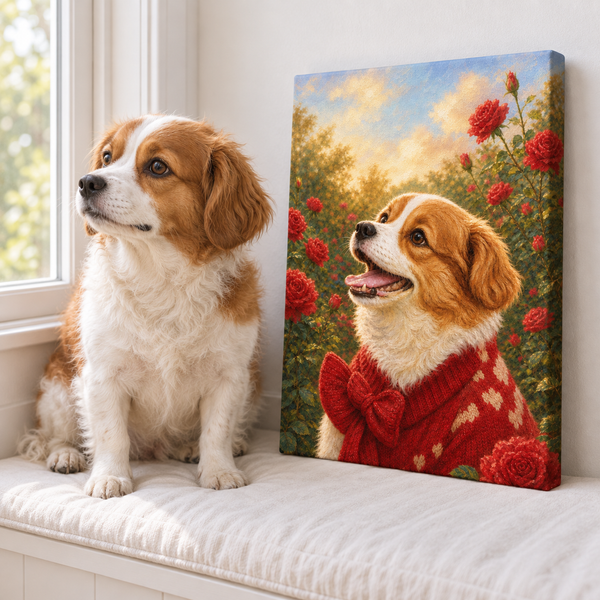
If the household already has a dog and does not want another, consider a gift that supports that existing relationship. Our dog Christmas gift ideas focus on the dog already at home. For the person, Pawfolio’s personalized pet gifts offer photo-based keepsake options featuring a pet they already know and love.
An alternative present can still acknowledge the recipient's affection for animals without adding a new daily responsibility.
Finish with answers, not a festive deadline
Before giving a puppy as a gift, return to the questions that only the household can answer. The goal is not to produce a convincing argument for the purchase. It is to find out whether the plan works when the holiday excitement is removed.
- Has the future caregiver clearly agreed to having a dog now?
- Are the responsible adults willing to carry the daily commitment?
- Have housing and household concerns been resolved?
- Is there a workable routine and a realistic plan for costs and backup care?
- Can the family choose the individual dog and arrival date without pressure?
If an answer is “not yet,” name the next step and let the animal decision wait. Perhaps the family needs to speak with a landlord, discuss work schedules, or meet dogs through a reputable organization. An honest pause is more useful than a promise made to preserve the surprise.
You can celebrate the preparation itself: a shared plan, a useful book, or an offer of help that remains available. The lasting gift is support for a decision the recipient is ready to make and a home prepared to care for the dog beyond Christmas morning.