
Deciding what to get for a new puppy is easier when you sort the list by timing. The first purchases should make eating, sleeping, toileting, identification, and safe supervision simpler. Gifts for new puppy owners should reduce work rather than add another object they need to manage. Personalized keepsakes can wait until the puppy's name is settled and someone has captured a clear photo.
This guide separates “needed before arrival” from “helpful during the first week” and “better after you know the puppy.” That prevents duplicate supplies, unsuitable food, and custom gifts ordered from the first blurry photo in the camera roll.
Before Arrival: Cover the Daily Basics
Start with the routine the puppy will repeat several times a day. You do not need every product marketed to new dog owners, but you do need a safe way to feed, rest, move, clean, and contain.
Food and water
Ask the breeder, shelter, or rescue what the puppy currently eats and how meals are scheduled. Buy enough of that food for the transition instead of making an immediate surprise switch. Choose stable, washable bowls sized for the puppy, and place water where it can be refreshed easily.
Nutrition needs vary with age, expected adult size, health, and current diet. The useful purchase may be a note for the first veterinary visit rather than a bag chosen by a gift giver. Avoid giving supplements, flea products, or special diets unless the owner has confirmed them with a veterinarian.
A secure rest area
Set up a crate, pen, gated room, or another puppy-safe rest zone before the puppy arrives. Include washable bedding that fits the space without loose stuffing or damaged seams. The goal is not isolation; it is a predictable place for naps, brief supervision breaks, and gradual settling.
The American Veterinary Society of Animal Behavior's puppy socialization statement notes that pens and crates can provide safe places for rest and that puppies also need time to play alone with suitable toys. Introduce the area positively, with short periods and rewards, rather than using it only after something goes wrong.
Collar, ID, leash, and cleanup
Choose an adjustable collar or harness that fits now, not the size the puppy may reach later. Add an identification tag with current contact information and recheck the fit as the puppy grows. Keep a fixed-length leash, waste bags, enzyme cleaner, and washable towels near the door.
Identification is not just an accessory. The AKC's responsible dog-owner checklist recommends an ID tag with owner contact information and keeping a current photo, both of which can help if a dog is lost. Ask the veterinarian or adoption organization how to register or update the puppy's microchip as well.
Safe things to chew and play with
Buy a small variety rather than a mountain of toys. Include one food-dispensing or puzzle option, one soft play item used under supervision, and one chew suited to the puppy's age and size. Inspect toys often and remove pieces that are breaking off. The owner will learn quickly whether the puppy prefers carrying, chasing, tugging, or chewing.
First Week: Buy Time and Consistency
The most useful first-week items help the household repeat the same routine. A basket by the exit can hold the leash, waste bags, towel, and treats. A lidded container can keep food secure. A simple written schedule can keep family members consistent about meals, potty trips, naps, and training words.
Book a veterinary examination early. The American Veterinary Medical Association's new-dog guidance recommends arranging an exam as soon as possible and bringing vaccination, deworming, and other medical records from the previous owner. The veterinarian can then advise on immunization, parasite control, nutrition, socialization, and other individual needs.
Create a folder—paper or digital—for adoption records, vaccine information, medication notes, microchip details, emergency contacts, and questions for the appointment. That may be a more valuable gift than another toy.
Early socialization should be safe, positive, and controlled rather than a parade of visitors. AVSAB identifies the first three months as an important social-development period and supports carefully managed exposure before full vaccination, with veterinary guidance about disease risk. Let the puppy explore new surfaces, sounds, people, and handling at a pace that does not create fear. Avoid high-traffic dog areas of unknown health status.
Gifts for New Puppy Owners That Actually Help
If you are shopping for someone else's puppy, ask before buying food, a collar, a crate, bedding, or anything size-sensitive. The owner may already have a plan, and duplicate essentials create clutter during an already busy week.
Helpful gifts often fall into four groups:
- Time savers: a delivery credit, a prepared meal, or an offer to run an errand.
- Cleanup support: washable towels, an agreed-upon enzyme cleaner, or a compact entryway basket.
- Training support: a treat pouch, clicker, or reward toy the owner has chosen for a positive-training plan.
- Record keeping: a folder for health documents, a labeled photo backup, or a calendar for appointments and prevention reminders.
Your time can be a gift too, but make the offer specific. “I can bring dinner on Tuesday” is easier to accept than “Let me know if you need anything.” Do not arrive unannounced to meet the puppy; quiet adjustment and sleep may be what the household needs most.
What Can Wait Until You Know the Puppy
Several purchases become better after the first days or weeks reveal the puppy's size, habits, and preferences.
Wait before buying large quantities of one toy, a fitted piece of clothing, expensive bedding, or decorative storage. A heavy chewer needs different materials from a gentle carrier. A puppy who grows rapidly may outgrow a collar or garment before the gift is used.
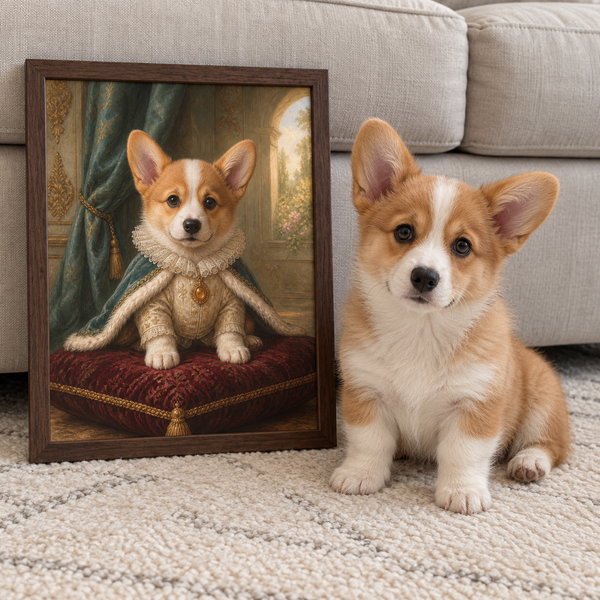
Personalized items also benefit from patience. Confirm the puppy's everyday name and spelling. Ask which colors suit the home. Most importantly, wait for a photo that shows the puppy clearly. A keepsake ordered immediately may preserve the excitement of arrival, but a later photo often captures more recognizable ears, markings, and expression.
Our Photo Tips page explains how natural light, eye-level framing, and sharp facial detail help create a useful portrait reference. You can also use the dog portrait photography guide to plan a calm five-minute session once the puppy feels at home.
Choosing a Personalized Puppy Gift
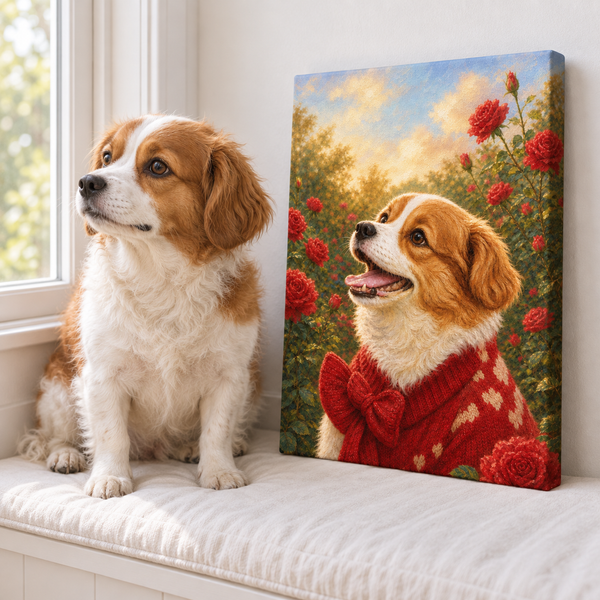
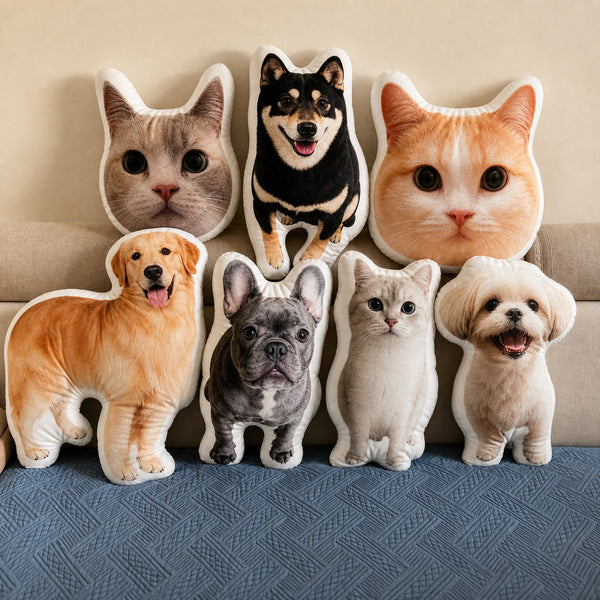
When the household is ready, begin with how the gift will be used. An everyday mug or blanket fits a different routine from wall art. A pillow can live in a reading corner; an Art Print can be placed in an existing frame; a gallery-wrapped Canvas has its own dimensional presence. The right format depends on space and preference, not on which product seems most elaborate.
Browse personalized pet photo gifts only after you know the recipient's routine and the image is suitable. Avoid treating customization as a substitute for the practical essentials the puppy needs now.
If the recipient wants artwork but you are unsure about style or crop, include them in the decision. Pawfolio's How It Works process includes a proof stage before production, which gives the buyer a chance to review the custom artwork. A collaborative gift can still feel thoughtful.
A Simple New Puppy Shopping Plan
Use this order to keep the list manageable.
Buy or confirm before arrival
- current puppy food and washable bowls;
- a secure rest and supervision area;
- correctly fitted collar or harness, ID tag, and leash;
- waste bags, enzyme cleaner, and towels;
- a few age- and size-appropriate toys;
- veterinary and adoption records.
Arrange during the first week
- veterinary examination and an individual care plan;
- microchip registration or contact update;
- predictable meals, potty breaks, naps, and short training sessions;
- safe, positive social experiences guided by the veterinarian;
- a current, backed-up photo of the puppy.
Choose after preferences emerge
- additional toys and bedding based on actual use;
- fitted clothing or upgraded walking gear;
- personalized décor or keepsakes;
- a custom gift based on a clear photo and the recipient's taste.
The best answer to what to get for a new puppy is not “everything at once.” Cover safety and routine first. Give the owner practical breathing room. Then, once the puppy has settled enough to show a familiar expression, choose the keepsake that reflects the relationship taking shape.