
A room can look tidy while still holding a charging cable beside the couch, a pill organizer on a low table, or yesterday's snack wrapper inside an open wastebasket. Preparing it for a dog means checking access, not just appearance. Start with what can be removed, then what needs to be secured, and finally how the space will be used.
This guide explains how to dog proof a room through a practical walkthrough. It applies to a familiar living room as well as a space you are preparing for a new dog. The aim is to reduce foreseeable risks and make supervision easier; no room stays ready without regular checks.
Give the room one clear job
Decide when your dog will use the space and who will be nearby. A room where your dog rests while you work needs a different routine from a busy family room where people carry in snacks, bags, and children's toys. Write down that ordinary use before moving furniture or buying storage.
For example, imagine using a spare room during your workday. Note where your laptop plugs in, where you place lunch, and what happens when someone opens the door. These everyday actions can reintroduce hazards even after a thorough cleanup. The room's job should guide the checks, rather than an idealized picture of an empty space.
If you are working out how to dog proof your home, begin with one manageable area and repeat the process elsewhere. This is a check of the environment, not a plan for keeping a dog in one room indefinitely. Exercise, toileting, companionship, and individual needs still belong in the day.
Keep decorating decisions for later. Our dog-room layout ideas can help you arrange a resting area once you know which parts of the room can be used comfortably.
Remove the things that do not need to be there
Make the first pass without your dog in the room. Collect medication, cleaning supplies, food packaging, batteries, small craft materials, and loose personal items. Put them in genuinely inaccessible storage instead of transferring everything to another low surface.
Check places that are easy to overlook: beneath a chair cushion, beside a nightstand, inside an open tote, and behind a door. A room used for hobbies may need a separate search for needles, thread, adhesive, or scraps. Close the activity down completely before changing the room's purpose.
The ASPCA's household dangers checklists identify potential toxins in different home areas and recommend making them inaccessible to pets. Use the relevant list to catch items you might have missed. If you suspect your dog has swallowed something poisonous, contact your veterinarian or animal poison control promptly rather than waiting to finish a room inspection.
Include bags and laundry in this pass. A zipped backpack on the floor is still something a dog may investigate. Choose a designated closed storage spot that household members will actually use. For a dog who repeatedly takes clothing, our article on why dogs investigate underwear provides related behavior context; keeping laundry inaccessible remains the practical first step here.
Follow cables, plants, and objects back to their source
The second pass is slower. Trace each cable from the device to the outlet. Look for accessible loops, dangling chargers, and sections that emerge from behind furniture. Store unused equipment, and use appropriate cable management for anything that must remain. Moving a cord behind a chair only helps if your dog cannot reach behind that chair.
Veterinarian Heather Berst's Zoetis guide to dog-proofing a home highlights electrical cords, accessible bags, medication, laundry, and other household items that can cause harm. It also recommends managing access with closed doors or suitable gates. These precautions work together; a tidy cable does not compensate for an open medicine container nearby.
Identify every plant in the room instead of judging by appearance. The ASPCA toxic and non-toxic plant database advises checking the plant's name and notes that its list is not exhaustive. It also cautions that eating plant material can cause stomach upset even when a plant is listed as non-toxic. Keep uncertain plants inaccessible while you verify them.
Now look at objects that could be pulled down or knocked over. A lamp cord, hanging tablecloth, or unstable stack deserves attention before your dog enters. Consider the route your dog could use to reach an object, including nearby furniture. “Above the floor” is not the same as “out of reach.”
Check the doorway and the places you cannot easily see
Walk the edge of the room. Look at the door, any adjoining stairs, low openings behind furniture, and windows your dog could access. Keep exits secure, and do not rely on a window screen as a barrier for a dog. Address a questionable opening before testing the room with your pet.
If you use a gate, choose one suitable for your dog and the location, and install it according to its instructions. Check its latch and stability yourself. Avoid improvised barriers made from stacked chairs or loose boxes. They make access unpredictable and can create another object to climb or knock over.
Think about what happens when another person arrives. Can the door swing into the resting area? Does someone need to step over the dog to enter? Put water and a bed away from that traffic path, and keep a clear route for people moving through the room.
The physical boundary and your dog's comfort with it are separate tasks. Our guide to keeping a dog out of a room addresses boundary management in more detail. A newly installed gate is not evidence that your dog will be relaxed behind it or that the room is ready for unsupervised use.
Observe an ordinary visit before changing the routine
Once the environmental checks are complete, let your dog spend a short, supervised period in the room while you are present. Watch what attracts attention. You are looking for gaps in your setup, not waiting for your dog to make a mistake.
Perhaps the storage door does not stay shut, or your dog can reach a cable from the side you did not inspect. End access to that area and fix the setup. Do not leave the hazard in place as a test of whether a verbal cue will work next time.
Offer fresh water and an appropriate resting place. Select toys with your dog's size and chewing habits in mind, and inspect them for damage. A familiar item still needs checking before it becomes part of the room's routine. Remove damaged items and avoid assuming that any toy is suitable for every dog or every situation.
When puppy-proofing your home, repeat this observation as the puppy grows and reaches new places. For an adult dog, reassess after furniture changes, visitors, new equipment, or a change in behavior. If your dog seems distressed in the space, adjust the plan; making a room less hazardous does not make confinement comfortable by itself.
Make the reset easy for everyone
The third pass is the one you repeat. Before your dog uses the room, clear new items, check closures, and look over the floor. After crafts, cleaning, meals, or visitors, do another reset rather than assuming the previous check still applies.
- Store bags, medication, food, and small loose items.
- Check cords, cabinet doors, gates, and windows.
- Remove damaged toys and anything dropped near furniture.
- Confirm access to water and a clear resting area.
Assign practical habits instead of vague instructions. “Bags go in this closet” is easier to follow than “keep everything safe.” If you share the home, show everyone how the latch works and which items should stay outside the room. To pet-proof your home consistently, the storage routine needs to survive an ordinary busy day.
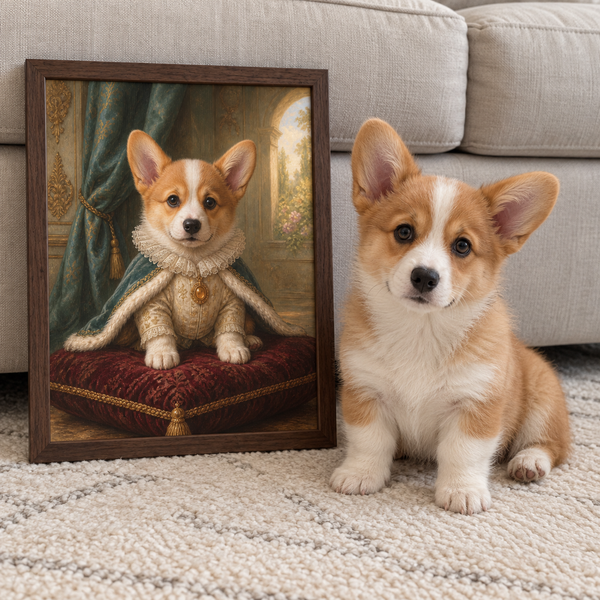
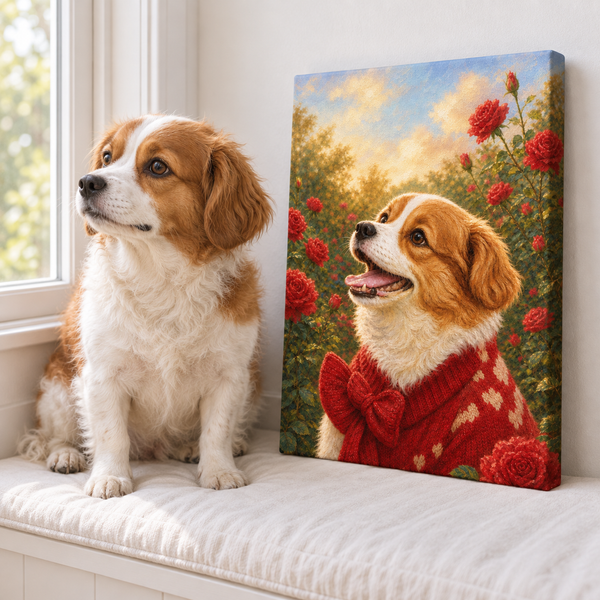
Once the room works, you can add personal touches thoughtfully. If you choose Pawfolio’s personalized pet Art Prints, plan their display separately from the dog's resting space and use suitable mounting for the wall and frame. Decorative pieces should not create accessible breakables or pulling hazards.
Finish each reset with one question: what changed since the last time my dog was here? Answering that keeps the room useful long after the first cleanup.