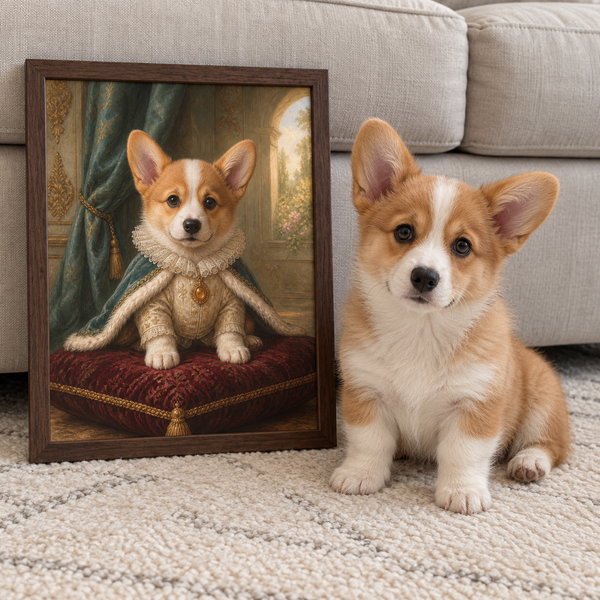
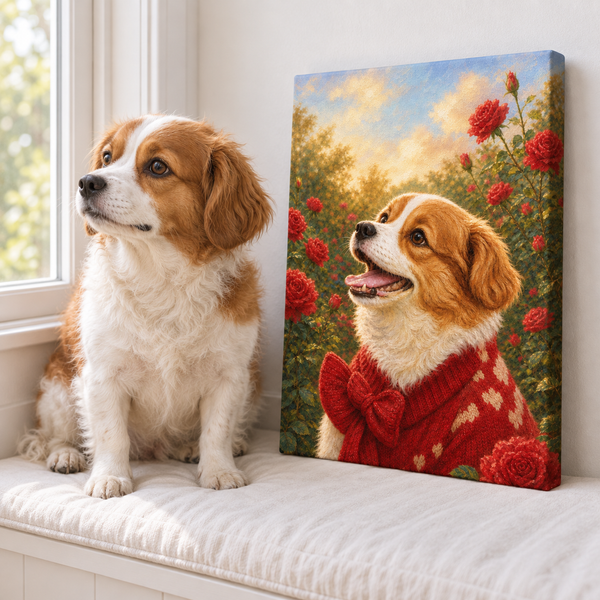
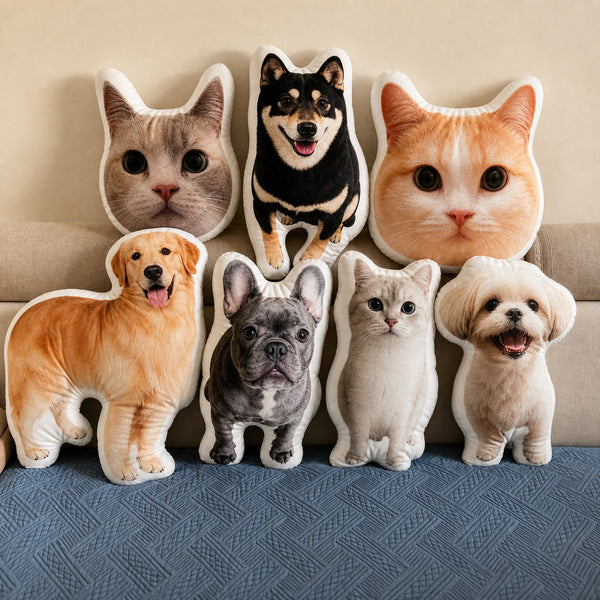

A family portrait with a dog can go sideways in about ten seconds. Someone calls the dog's name, everyone looks in a different direction, and the treat disappears before the camera is ready.
That is not a reason to leave your dog out. It is a reason to plan for a living, moving member of the family instead of expecting a perfect prop. The strongest family portrait with dog ideas make room for personality, movement, and the relationships that already exist at home.
Use the ideas below as a flexible shot list. You only need a few successful frames, not a full hour of flawless behavior.
Plan around your dog's normal rhythm
Before choosing outfits or a background, think about when and where your dog is most comfortable. A calm senior may look most like themselves curled beside you at home. An energetic young dog may settle more easily after a familiar walk in an open, pet-friendly space.
Pick a time that does not collide with a meal, an unusually busy park, or the hottest part of the day. Bring water, a regular leash, small familiar treats, waste bags, and one toy that reliably gets attention. If you are working with a photographer, explain any mobility limits, reactivity, noise sensitivity, or handling preferences in advance.
The goal is not to tire a dog into compliance. It is to remove avoidable friction. A short walk, a sniff around the location, and a few minutes to meet the photographer can make the first frame feel much less abrupt.
Choose a location that already tells part of the story
A meaningful setting usually produces a more personal picture than an elaborate backdrop. Start with places your family actually shares.
1. The front steps or porch
Steps naturally create different levels, so adults, children, and dogs do not have to line up shoulder to shoulder. Let the dog sit beside a favorite person or settle at someone's feet. The house adds context without demanding much decoration.
2. The living-room floor
An at-home portrait can be especially useful for shy, elderly, or easily distracted dogs. Sit where the family normally gathers and keep the camera low. A simple couch, rug, or patch of window light is enough. Clear only the distractions that pull attention from faces; the room does not have to look like a catalog.
3. A familiar walking route
Walking gives everyone something natural to do. Photograph the family coming toward the camera, moving away together, and pausing for a quieter portrait. Keep the leash on wherever safety or local rules require it. A visible leash is part of real life and is better than risking an unsafe setup.
The American Kennel Club's dog photography guidance recommends working at the dog's eye level, using natural light, and keeping action shots in a secure setting. Those simple choices matter more than a complicated location.
Mix one classic portrait with movement
You will probably want at least one frame where everyone is visible and looking reasonably close to the camera. Take that photograph early, while attention is fresh. Then move on.
4. The close family cluster
Place the dog where they naturally seek contact: between two people, beside a knee, or in the arms of someone who regularly holds them. Bring human faces closer together instead of stretching the dog toward the middle. If the dog looks at a person rather than the lens, the frame can still feel connected.
5. The walk-and-look-back
Walk slowly, then let one person call the dog's name once. The brief glance back often feels more alive than a long sit-stay. Use burst mode so you can choose a frame with comfortable expressions and clean foot placement later.
6. The family activity
Choose one ordinary action: tossing a favorite toy, sitting together on a picnic blanket, opening the back door for a walk, or giving the dog a gentle scratch. An activity gives children and adults something to respond to, which often creates better expressions than repeated instructions to smile.
Photograph the relationships inside the group
The full-family frame is important, but it does not need to carry the whole story. Make a short list of smaller connections you would miss if you only photographed everyone at once.
7. One person and the dog
Pair the dog with each family member for a quick portrait. A child may kneel beside the dog; an adult may sit with the dog's head resting near their leg. These frames are useful on their own and can later become part of a wall grouping.
8. The in-between moment
Keep taking pictures as people reset. The dog shaking off, a child laughing after a missed cue, or everyone leaning in for a treat can become the image that feels most like the family. Candid does not mean accidental; it means leaving room for a real response.
If your household includes more than one animal, our guide to combining multiple pets from separate photos can help when a single successful group frame is not realistic.
Keep outfits and props quieter than the relationship
Coordinate rather than match. Repeating two or three colors across the group creates unity without making everyone look uniform. Mid-tone solids, subtle texture, and comfortable shoes tend to age better than large logos or tiny high-contrast patterns.
Your dog's regular collar may be exactly right if it is part of their everyday look. If you switch to a simpler collar or bandana, let them wear it before the session. Avoid introducing a costume solely for the photograph if it changes their posture or makes them uncomfortable.
One meaningful object can work: a favorite ball, a well-used blanket, or the leash from a daily walk. Several themed props usually compete with the expressions you are trying to preserve.
Compose for both a photograph and future artwork
If you might turn the image into a custom pet portrait, leave a little breathing room around heads, ears, feet, and tails. A tight phone crop can remove details an artist needs later. Take a horizontal version for a wide wall and a vertical version for narrower spaces.
Focus on the eyes and check that the dog's face is not hidden behind a hand, knee, or patch of deep shadow. Adobe's phone photography guide also recommends soft natural light, tapping the subject to set focus and exposure, and getting down to the subject's level.
Pawfolio's Photo Tips provide a quick checklist for sharpness, visible features, and natural color. If the best family image does not show a distinctive marking clearly, take a separate reference photo for that detail.
Let comfort decide when the session is finished
Watch the dog, not only the camera. If they keep turning away, trying to leave, or losing interest, pause for water or end that setup. Short rounds usually work better than repeating the same cue until everyone is frustrated.
A useful sequence is simple: one classic group frame, one walking or playing frame, smaller relationship portraits, then any experimental idea. Once you have those, stop chasing a mythical perfect pose.
The point of a family portrait with a dog is recognition. Years from now, the crooked sit, the familiar lean against someone's leg, or the way everyone laughed may matter more than whether every face looked at the lens at exactly the same moment.