

You zip the suitcase, set it by the door, and suddenly your dog follows you from room to room. It is natural to wonder: do dogs miss their owners when they go on vacation?
The short answer is yes, many dogs notice that an important person is gone. They can also react to the missing routine, unfamiliar caregiver, or different environment that comes with the trip. But “missing you” does not look the same in every dog, and it is not automatically separation anxiety.
Some dogs eat, sleep, play, and settle normally with a trusted sitter. Others wait by the door, become clingy before departure, or need a few days to adjust. A smaller group shows genuine distress and needs a plan created with a veterinarian or qualified behavior professional.
The most useful question is not whether your dog understands a seven-day vacation the way you do. It is whether their needs, habits, and sense of safety will remain predictable while you are away.
Yes, Dogs Can Notice That You Are Gone
Dogs form social attachments and learn detailed patterns around the people who care for them. Your footsteps, work schedule, walking route, feeding ritual, voice, and scent all become part of ordinary life. When you disappear from that pattern, your dog does not need a calendar to notice the change.
Scientists cannot ask a dog to describe the feeling of missing someone, so responsible explanations rely on observable behavior. A dog may search familiar rooms, rest near something that smells like you, watch the door around your usual arrival time, or show extra excitement when you return. These responses are consistent with attachment and expectation, but they do not prove that a dog experiences time or longing exactly as a human does.
Routine matters as much as physical absence. A large study of separation-related behavior found that dogs' responses changed over time and that substantial changes in time left alone were associated with new signs in some dogs. The peer-reviewed study of 1,807 dogs supports a careful conclusion: sudden schedule changes can affect welfare, while individual reactions vary widely.
That is why two equally loved dogs may respond very differently to the same trip. Temperament, age, health, previous boarding experiences, caregiver familiarity, and existing comfort with short absences all shape the outcome.
What Missing You May Look Like
A dog who notices your absence may be quieter for a day, sleep in your usual spot, carry one of your socks, or pay more attention to sounds near the door. With a familiar sitter and an otherwise normal routine, these mild changes often settle as the dog learns what the new days look like.
Look at the whole dog instead of one isolated habit. A dog who naps on your shirt but still eats, drinks, toilets, plays, and relaxes is giving a different picture from a dog who cannot settle at all. Ask the caregiver to note appetite, water intake, stool, sleep, activity, and any unusual vocalizing rather than reporting only that the dog “seems sad.”
Age and context also matter. A young dog may become energetic or mischievous when exercise changes. A senior dog may appear withdrawn because an unfamiliar house is harder to navigate. A dog taking medication may refuse food because the timing or delivery changed. These possibilities deserve practical troubleshooting rather than a sentimental guess.
If you want a helpful baseline, write down a normal day before leaving: meal amounts and times, bathroom schedule, walk duration, favorite games, sleep location, medication, and common quirks. A current image is useful for identification too; Pawfolio's pet photo tips can help you capture a clear, well-lit view of the face and markings before the trip.
Ordinary Adjustment Is Not the Same as Separation Anxiety
Missing a person and experiencing separation anxiety are not interchangeable. A dog can prefer your company, greet you enthusiastically, and still cope safely with a caregiver. Separation anxiety involves significant distress related to being apart from an attachment figure.
The ASPCA lists signs such as barking or howling soon after departure, destructive escape attempts near doors or windows, indoor elimination, drooling, pacing, and marked anxiety during predeparture cues. Its separation-anxiety guidance also explains that punishment is inappropriate because the behavior comes from distress, not revenge.
Video can be more informative than assumptions. If your dog has struggled when left before, record several ordinary short absences well before vacation. A dog who takes a treat and settles after a few minutes needs a different plan from one who pants, vocalizes, refuses food, or tries to escape for the entire period.
Talk with your veterinarian before the trip if the behavior is intense, sudden, or physically risky. Pain, cognitive change, digestive illness, urinary problems, and other medical issues can alter behavior. For confirmed separation anxiety, a veterinarian or credentialed behavior professional may recommend gradual training, management, and sometimes medication. A vacation week is not the time to begin an improvised treatment plan.
Prepare the Caregiver and Keep the Days Familiar
Choose care around the dog in front of you. Some dogs are happiest at home with a sitter. Others enjoy a familiar relative's house or a well-run boarding facility. Visit the setting first when possible, introduce the caregiver before departure, and test a short stay rather than making the vacation the first experiment.
Give the caregiver one clear document with feeding instructions, medication details, veterinary contacts, emergency authorization, microchip information, walking equipment, known triggers, and your travel contact. Include what is normal for your dog and what should prompt a call. Leave enough food and medication, labeled and measured, without asking the sitter to make medical decisions.
The AVMA recommends considering a pet's health and temperament when deciding whether travel is appropriate and names a reliable sitter or veterinarian-recommended boarding facility as alternatives. Its pet travel preparation guide also highlights current identification, medical records, medications, supplies, emergency information, and a recent pet photograph.
Ask the caregiver to preserve meal, walk, sleep, and medication times as closely as practical. Pack the dog's own bed or safe familiar item if the facility allows it. Keep goodbyes warm but ordinary; a long, worried ritual can make departure cues more intense for a dog already watching your every move.
Make the Return Calm and Predictable Too
Your dog may explode with joy when you come home. Let the greeting happen safely: enter without crowding, secure doors, keep luggage out of the path, and give an excitable dog a moment to put four paws on the floor. Then return to the familiar walk, meal, bathroom, and bedtime schedule.
Do not interpret every post-vacation change as resentment. Extra sleep may follow a busy boarding stay. Loose stool may reflect stress or a food change. Clinginess may fade once the normal routine returns. Ask the caregiver for specific notes so you know what began during the trip and what appeared after pickup.
Contact your veterinarian if your dog is not eating, has repeated vomiting or diarrhea, seems painful, has trouble breathing, cannot urinate, is unusually weak, or shows a major behavior change that does not settle. A medical problem can happen at the same time as an emotional transition.
If the trip revealed mild difficulty, rebuild comfortable alone time in small, manageable steps after everyone is rested. If it revealed panic, do not simply repeat a longer absence. Bring the video and sitter notes to a professional who can help identify the threshold and design a safe plan.
Your Relationship Is Larger Than One Goodbye
A vacation does not erase the bond built through thousands of ordinary moments. Dogs recognize patterns of safety, care, play, and communication. You can explore how dogs show affection and what we know about a dog's memory without turning either topic into a claim that every dog feels the same thing.
Preparation is the most loving part of leaving: choose the right caregiver, make routines easy to follow, share medical information, and respond early if your dog has a history of distress. Those steps matter more to the dog than a dramatic farewell.
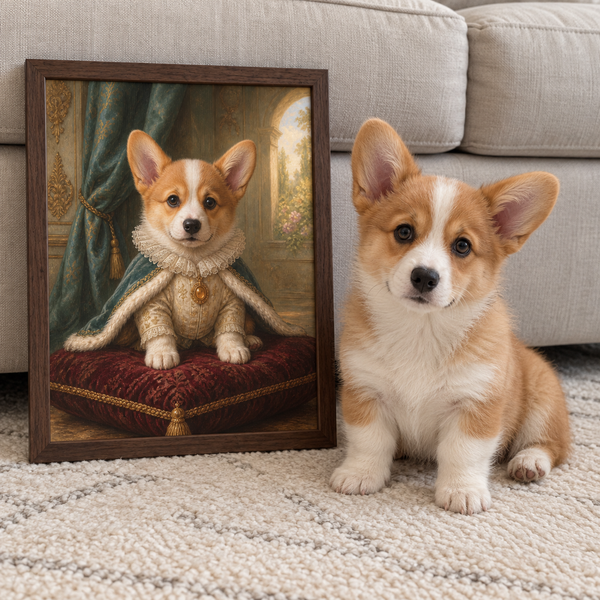
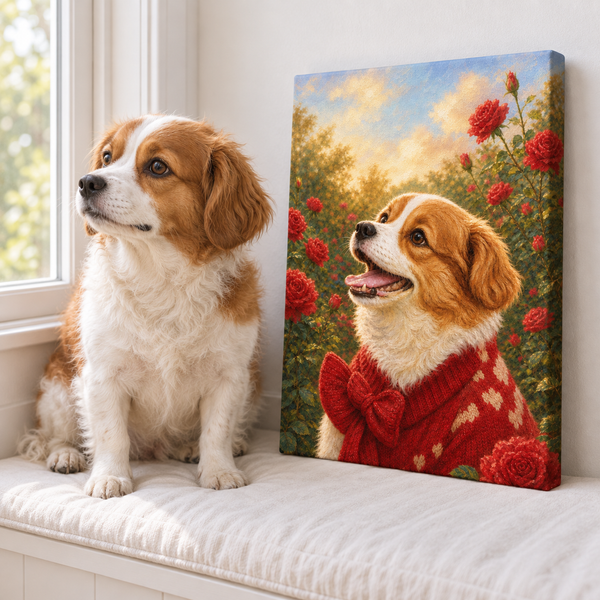
For the person packing the suitcase, a custom pet portrait can be a personal way to keep a familiar face close while traveling. It is a celebration of the relationship, not a treatment for the dog or a substitute for thoughtful care.
So, will your dog miss you? Probably in their own dog-shaped way. What they need from you is not guilt. They need a safe plan for the days you are gone and the reliable return to ordinary life when you come home.