
Four paws in the air, ears spread across the cushion, and a belly facing the ceiling: some dogs have a memorable approach to an afternoon nap. Why do dogs sleep on their backs? Comfort and cooling are common explanations. The position can also fit a relaxed moment in a familiar home.
What matters most is how your own dog is doing. A familiar, comfortable nap calls for a different response than a new pattern accompanied by restlessness or difficult breathing. Here is how to enjoy the ordinary moment, protect your dog's rest, and recognize when the question belongs with a veterinarian.
Comfort and cooling can explain the choice
In the American Kennel Club's guide to back sleeping, veterinarian Jerry Klein describes this as a position some dogs find comfortable. Exposing the less heavily furred belly can also help a dog release heat. These are possible explanations, rather than a way to identify the exact reason for every nap.
You might notice the pose on one surface and not another, or at a particular time of day. That gives you something to observe without needing to assign a meaning immediately. The practical question is whether this is an ordinary way your dog settles and rests.
For example, imagine a dog who regularly rolls belly-up on a floor cushion while the household reads in the evening. An owner can remember that setting as part of the dog's usual routine. It is a more useful starting point for comparison than a general rule that every dog should sleep in a certain shape.
There is no need to arrange your dog's legs or encourage the position. Let them choose how to settle, and use the surrounding circumstances to decide whether anything needs your attention.
Your dog does not need a signature sleeping pose
A dog who sleeps on their side instead can be just as familiar and at ease in your home. In a Whole Dog Journal interview about belly-up sleeping, veterinarian Lori Teller explains that personal preference and body shape can influence the choice. Not sleeping on the back does not mean a dog fails to trust their owner.
Avoid turning a sleeping position into a personality label. A photograph of one nap cannot give you a complete description of a dog, and there is no benefit in comparing your pet's posture with a friend's. You do not need to produce an upside-down sleeper to show that you have a good relationship.
If you live with two dogs, notice each one's routine separately. Your notes might be as simple as “Poppy usually settles beside the desk” and “Finn chooses the cushion near the chair.” Those are observations about your household, not grades for how secure either dog feels.
A new position is also not a diagnosis on its own. Look at whether your dog can rest comfortably and whether other changes accompany it, rather than treating the absence or appearance of one pose as the whole story.
Let the nap continue before reaching for a belly rub
An exposed belly can be tempting to stroke, especially when the dog looks endearingly relaxed. But being asleep is not a request for interaction. Dogs Trust advises leaving sleeping dogs undisturbed and allowing their bed to be a place for rest without human attention. Being woken can startle a dog.
Make this a simple household habit: when the dog is sleeping, hands stay back. You can tell a visitor, “That's his nap spot; we'll say hello when he's awake.” There is no need to test whether your dog will tolerate being touched just because the position looks friendly.
Save petting for an awake interaction in which you can pay attention to the dog's response. Our guide to petting a dog thoughtfully covers that separate decision. For now, carrying on quietly with your own activity may be the most considerate choice.
The same applies to a photo. Moving a paw, turning the dog's head, or repeatedly calling their name changes the moment you wanted to capture. If a picture would interrupt the nap, you can leave the camera where it is.
Make the resting place work for everyday life
A useful sleeping area gives your dog somewhere comfortable to settle without being repeatedly interrupted. Dogs Trust's advice on restlessness and settling recommends a quiet, comfortable rest area and notes that surroundings, worry, or physical discomfort can all affect a dog's ability to settle.
Think about how the room is used before moving anything. Does everyone have to walk past the cushion to reach the kitchen? Is the space beside a chair that is constantly being pulled out? Could the household use another route while the dog rests? These questions help you plan around a real home rather than an idealized pet corner.
You can make a short list before rearranging the space:
- Where does the dog already choose to rest?
- Which nearby activities repeatedly interrupt that spot?
- Is there a practical alternative location to offer?
- Will everyone know to leave the dog alone there?
Offer the option without making a particular pose the objective. The outcome you want is usable rest, whether your dog stretches out, lies on their side, or chooses another comfortable position. If they cannot settle despite having somewhere suitable, consider the health question too, rather than treating it only as a furniture problem.
Pay attention when the pattern changes with discomfort
Teller's veterinary guidance also distinguishes an ordinary preference from a change accompanied by trouble getting comfortable. A dog repeatedly changing positions, appearing uncomfortable, or developing breathing changes needs more attention than a funny-looking nap. Contact your vet about a new, persistent pattern or signs of discomfort instead of trying to diagnose the cause from posture.
Breathing difficulty is more urgent. PDSA identifies struggling to breathe as an emergency. If your dog is struggling for breath, collapses, or has white, gray, or blue gums, seek immediate veterinary care. Go to the nearest emergency veterinarian and, if possible, call on the way. A familiar sleeping pose does not cancel those warning signs.
For a non-emergency conversation, describe the change plainly. “She used to settle after our evening routine, but now she gets up repeatedly and seems unable to get comfortable” gives the clinic something useful to assess. Note when it started and what else you have noticed.
A short video may help show a concern if you can obtain it without delaying care. Do not spend time arranging a recording when your dog needs urgent help, and do not reposition them to recreate a symptom.
Remember the moment without turning it into a performance
When your dog is simply enjoying a familiar nap, the little details can be worth remembering: a white patch on the chest, one folded ear, or the favorite cushion that has become part of your living room. You can preserve that memory without making the dog repeat it.
If you already have a suitable photo, keep a copy with a descriptive name or a brief note about the day. Pick it because it feels recognizable to you. A quieter picture of your dog awake may express the same everyday familiarity better than an awkward angle of an upside-down nap.
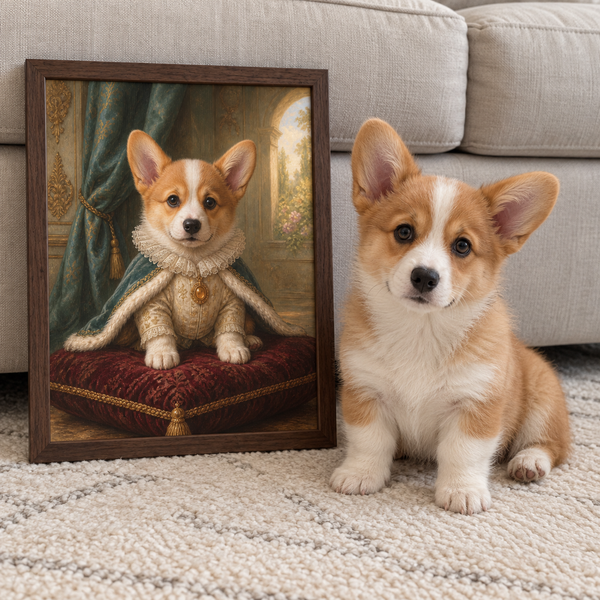
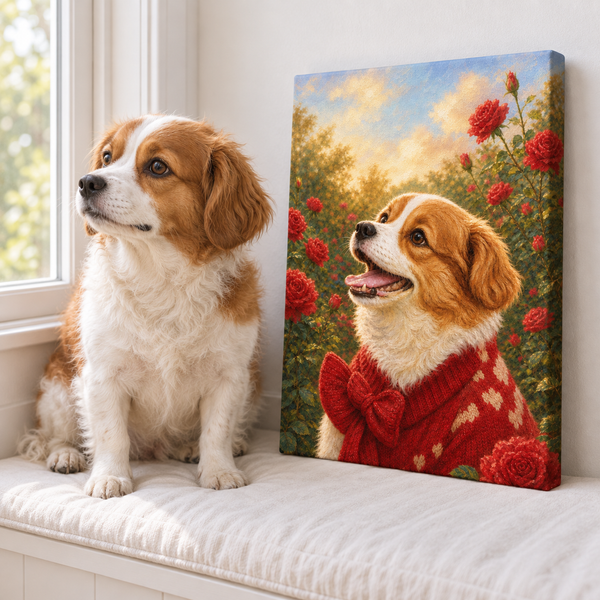
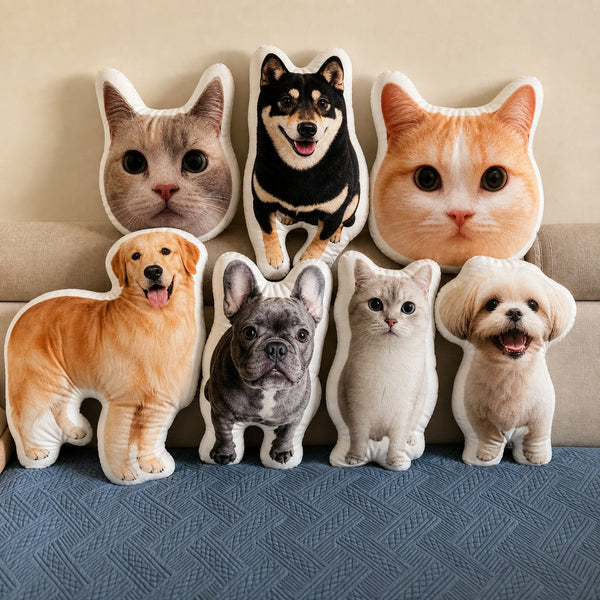
Our dog portrait ideas drawn from everyday habits can help you choose which detail to remember. If you decide to turn a favorite image into a keepsake, pet portraits from Pawfolio offer a way to bring that personal memory into your home.
For today's nap, the next step can stay simple. Leave a comfortable sleeping dog undisturbed, notice meaningful changes in their usual routine, and get veterinary advice when discomfort or breathing changes make the situation different. The pose itself does not need correcting or proving.