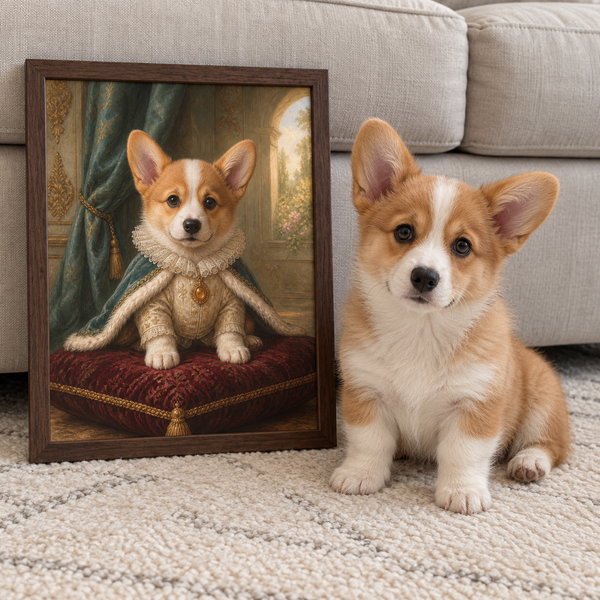
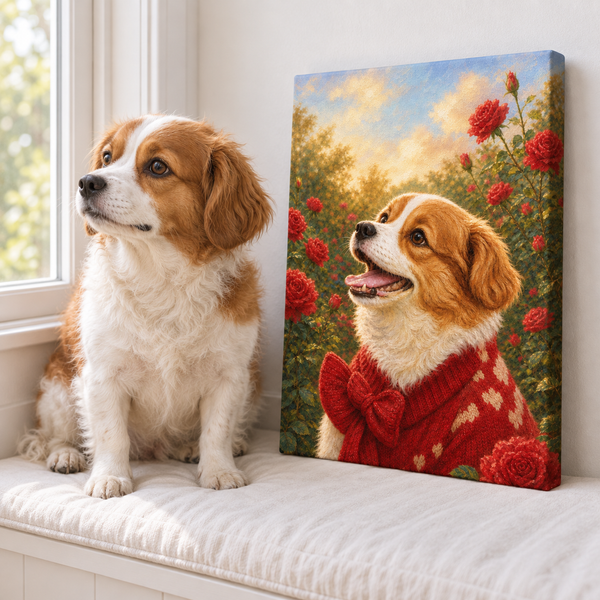
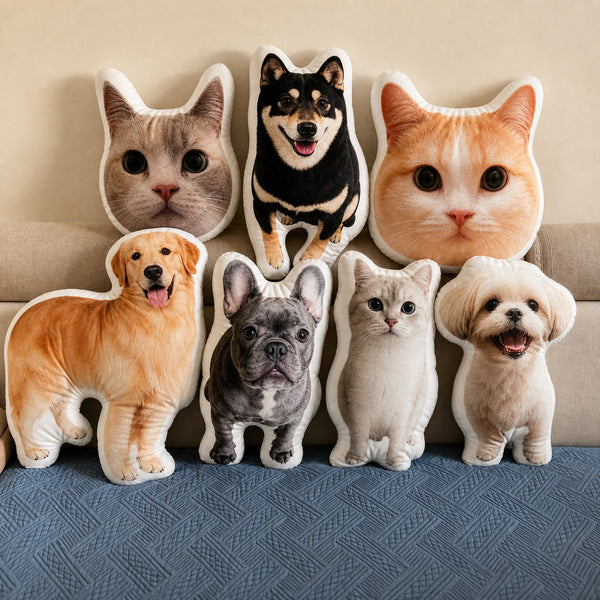

Three listings can show the same soft colors and call themselves watercolor pet portraits, yet send you three different things: a painting on paper, a printed reproduction, or a digital file. The picture alone does not tell you which one you are buying.
That distinction matters if you want an original painted object, need a finished gift, or have a particular frame waiting at home. It does not mean one approach is automatically more personal than another. Start by separating how the image was made from what arrives at your door. Then compare the likeness, presentation, and approval process on their own merits.
1. Separate the medium from the finished object
Traditional watercolor is a water-based painting medium, usually applied with a brush to white paper. The Metropolitan Museum of Art's watercolor explanation describes its transparent colors and the pigment, water, and binder used to make the paint. Those materials define the medium; a soft-looking image is not, by itself, evidence that paint touched the object you will receive.
An original watercolor pet portrait is the actual painted work. A reproduction is a print made from a photographed or scanned painting. Digital watercolor-style artwork is created or rendered digitally to suggest a watercolor appearance; it may be supplied as a file, printed on a physical surface, or both.
Think of these as separate descriptions, not a quality ladder. A carefully made digital portrait can be specific to your pet. A reproduction can faithfully show an artist's painted work without being that original. And an original painting still needs a likeness and composition you like.
Ask for a plain-language sentence: “You will receive the original painting on paper,” “You will receive a printed copy,” or “You will receive a digital file.” If the offer includes more than one item, have the seller identify each one.
2. Compare the actual deliverables, not just the mockups
Look beyond the styled room photo. Does the price include the artwork, a physical print, a frame, or only the image file? Is the listed measurement the image area, the sheet size, or the outside of the frame? A small difference here can change whether the portrait fits the space you planned.
Consider three imaginary listings. One offers an original painting on an unframed sheet. Another offers a print of painted artwork with a frame. A third offers a digital illustration without printing. All three could display an attractive watercolor dog portrait in their preview. They are still three different purchases, with different next steps before you can hang them.
A useful comparison note includes:
- Creation method: physical painting, reproduction, or digital artwork.
- Included object: original, print, download, frame, or a stated combination.
- Dimensions: artwork, surface, and outer frame where applicable.
- Presentation: flat sheet, framed piece, or stretched canvas.
- Approval: what you see before the order moves forward.
Also distinguish a mockup from a close-up of a finished piece. Ask for an example of the relevant surface and edges if those details matter to you. A room preview helps with scale and mood; it cannot settle every question about construction.
3. Choose a reference photo that preserves recognition
The looser the visual treatment, the more helpful it is to know which details must remain recognizable. Perhaps your dog's left ear folds differently, or your cat has a small white patch beneath one eye. Identify two or three details you would notice immediately if they changed.
Choose a clear photo where you can see those details without guessing. Favor an eye-level view, an uncropped face, and light that reveals the markings. Avoid submitting only a tiny screenshot or a distant image where the eyes and muzzle disappear when enlarged. Pawfolio's pet portrait photo guide explains what to look for in a source image.
Keep the brief focused. For example: “Please use this expression, keep the darker patch around the right eye, and leave the background simple.” That is more useful than asking for a portrait to be simultaneously realistic, highly abstract, colorful, and nearly monochrome.
You can provide an additional reference if the seller accepts it, but explain its purpose. One image might establish the pose while another clarifies a marking. Do not assume multiple photos mean the service can combine every requested feature. Confirm what is possible before ordering.
4. Discuss the visual choices before discussing changes
When comparing watercolor dog portraits, look at how much detail you want in the face and how much room you want around it. A close crop makes the expression central. A wider composition can include the shoulders or a familiar posture. Neither is inherently better; the choice changes what the portrait emphasizes.
Background color deserves the same attention. A pale blue wash, warm neutral space, and mostly white background will feel different beside your furniture and other artwork. If you are unsure, begin with the pet's coat colors and the room where the piece will live rather than choosing a color from a thumbnail alone.
Then ask how the approval process works. Will you see a sketch, a digital proof, or a photograph of the painted work? Which changes can be requested at that stage, and when does approval become final? Do not assume a policy from another shop applies to this one.
For a broader look at the decisions between a photo and a finished portrait, our guide to turning a pet photo into art covers the next questions. Here, the important point is to make the brief and the review stage clear before work begins.
5. Match the surface and display plan to your expectations
If you want an original watercolor on paper, check the paper size, framing requirements, and care guidance with its maker. The National Gallery of Art's paper conservation overview identifies light exposure, rough handling, environmental conditions, and poor-quality housing materials as sources of damage to works on paper. Ask a framer about suitable handling and display rather than treating every portrait surface alike.
For a printed portrait, read the specified material instead of assuming “art print” always means watercolor paper. At Pawfolio Art, an Art Print is a flat print on premium textured fabric with a water-resistant finish. Canvas is printed canvas stretched over a solid-wood inner frame, with the artwork wrapping around its edges. These are printed formats, not descriptions of original watercolor paintings.
The Art Print versus Canvas guide explains the available framed and unframed options. In particular, Canvas without an external decorative frame still has its inner wood frame. Choose the presentation that suits your space, and check the selected product for its exact options.
Watercolor is discussed here as an art medium and visual style, not as a promise that Pawfolio offers hand-painted watercolor commissions. Browse the portrait designs at Pawfolio Art to see the designs actually offered.
6. Finish with three questions you can answer clearly
Before paying, write down three answers: how is this artwork created, exactly what will I receive, and what can I review before completion? If any answer depends on an assumption, ask the seller to clarify it.
For a gift, add the full delivery plan. A completed file, a finished painting, and a framed piece arriving at someone's home are different milestones. Confirm the relevant one instead of reading “ready” as “delivered.”
Finally, return to the pet. Does the example work keep the features you care about? Does the composition fit the intended place? Are the surface and process described honestly? A watercolor look may be what first draws you in, but those practical answers help you choose a portrait you will enjoy beyond the listing photo.