
The best puppy party ideas begin with the puppy—not the decorations. A young dog may enjoy two familiar playmates, a few tiny treats, and a nap more than a crowded afternoon of noise and handling. Planning around health, temperament, and rest makes the day safer and gives everyone a better chance of enjoying it.
Think of the party as a short, flexible enrichment session with a celebration wrapped around it. You can still have a cheerful theme, take photos, and share a special snack. The difference is that your puppy gets space to opt out, the dog guests are chosen carefully, and the schedule ends before excitement turns into exhaustion.
Start with the right kind of party for your puppy
Before making a guest list, decide what your puppy genuinely likes. Some puppies seek social play. Others prefer people, sniffing, or a familiar toy. A puppy who freezes around new dogs does not need a “socialization party” to become more confident.
Choose one of these low-pressure formats:
- Family-only celebration: familiar people, a new enrichment activity, and a calm photo moment.
- One-dog playdate: one healthy, compatible dog your puppy already knows.
- Tiny puppy gathering: two or three compatible dogs with close adult supervision and room to separate.
- Walk-and-sniff birthday: a quiet route, individual exploration, and treats at home afterward.
- Human party with a puppy retreat: guests celebrate while the puppy has a gated quiet room and joins only when comfortable.
If your puppy guards food or toys, becomes overwhelmed easily, has been ill, or has a history of difficult dog interactions, skip the dog group. A meaningful celebration does not require canine guests.
Check health before dogs share a space
Any dog gathering carries some disease risk. The American Veterinary Medical Association explains that risk varies with local disease prevalence, the dogs' age and health, and the precautions used. Puppies deserve extra care because their vaccination series may still be in progress.
Ask your veterinarian whether a gathering is appropriate for your puppy's age, health, vaccine status, and local conditions. Invite only dogs whose guardians can confirm they are healthy and compatible. A dog with coughing, vomiting, diarrhea, unusual tiredness, or another possible sign of illness should stay home.
The American Veterinary Society of Animal Behavior supports safe early socialization and describes controlled puppy classes with health and sanitation precautions. A casual party is not the same as a professionally managed class. Avoid turning an unknown, high-traffic dog area into your venue, and do not treat the event as a substitute for veterinary guidance or gradual positive exposure.
At the party, provide separate water bowls, clean up waste promptly, and avoid communal food dishes. Ask people not to bring an unannounced dog. One surprise guest can change the group dynamic immediately.
Build a setup with space, shade, and an exit
The location should make separation easy. A secure, familiar yard or roomy indoor area usually offers more control than a busy public park. Check fences and gates, remove toxic plants and chewable decorations, and keep human food, trash, candles, cords, and gift packaging out of reach.
Create three zones:
- Activity zone: enough open space for movement without trapping dogs in corners.
- Water and cooling zone: shade, separate bowls, and comfortable temperature.
- Rest zone: a crate, pen, mat, or quiet room away from the group.
Rest should be available from the beginning, not only after a problem appears. Young puppies can go from playful to overtired quickly. An overtired puppy may become mouthier, noisier, less responsive, or unable to settle. Those behaviors are not a reason to add stimulation; they are a signal to pause.
Keep collars and harnesses fitted correctly, but consider whether dangling tags or loose equipment could catch during play. Supervise every interaction. Adults should know which dog they are watching rather than assuming the group is covered by someone else.
Use short activities instead of constant free play
Plan two or three activities and treat them as optional. A simple schedule might include ten minutes of arrival and sniffing, a short activity, a rest break, a photo, and then home.
Good low-pressure ideas include:
- Sniff trail: scatter a few treats individually in separate areas, only if no dog guards food.
- Easy cue game: reward familiar behaviors such as touch, sit, or going to a mat.
- Toy exploration: let one dog at a time investigate a cardboard-box search or food puzzle.
- Bubble watching: use only pet-safe bubbles and stop if a dog becomes frantic or tries to ingest too much solution.
- Parallel walk: let compatible dogs move in the same direction with space between them.
- One-minute portrait station: photograph each dog separately rather than arranging a forced group pose.
Skip elimination-style games, wrestling encouraged by people, loud noisemakers, and contests that create crowding around food or toys. Let dogs disengage. Play is healthier when bodies stay loose, roles shift, and both dogs repeatedly return by choice.
Interrupt early if one puppy hides, repeatedly tries to escape, becomes stiff, pins another dog, ignores attempts to disengage, or cannot calm down. Separate with cheerful movement and distance rather than grabbing between aroused dogs. When in doubt, end the interaction.
Serve a small dog-safe treat
A puppy does not need a large cake. Their regular food, a favorite veterinarian-approved treat, or a small portion of a simple dog-safe recipe is enough. Keep total extras modest and account for training rewards already used during the event.
Avoid chocolate, grapes, raisins, xylitol, alcohol, cooked bones, and rich foods. Check every ingredient in packaged peanut butter, frosting, or baked treats. Food allergies and sensitive stomachs also matter, so ask each guardian before offering anything to another dog.
Feed dogs separately. This reduces competition and makes it easier to track what each puppy eats. Remove leftovers and serving tools before play resumes. Human guests can have their own food at a table the dogs cannot reach.
Take photos before everyone gets tired
Schedule the portrait moment near the beginning, after the puppy has explored but before play becomes intense. Photograph one dog at a time in open shade or beside a bright window. Keep the background simple, hold the phone near eye level, and use a helper with a treat or quiet toy beside the lens.
Do not restrain a puppy in a costume for the image. A bandana, collar flower, or plain fabric backdrop can suggest the theme without limiting movement. If the puppy walks away, let the photo wait. Our photo tips for pet portraits explain how to capture clear eyes, ears, and coat detail without making the setup complicated.
If the party also marks a new puppy joining the family, our guide to what to get for a new puppy can help you separate everyday essentials from optional celebratory items.
Choose one keepsake, not a pile of favors
A lasting reminder can be quieter than the event itself: a favorite photo, a dated note about the puppy's personality, or one object connected to the day. For the puppy, the real value is a manageable experience followed by rest.
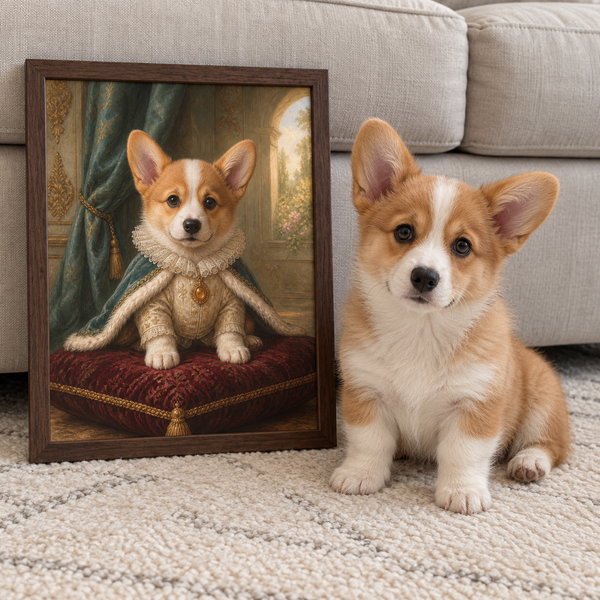
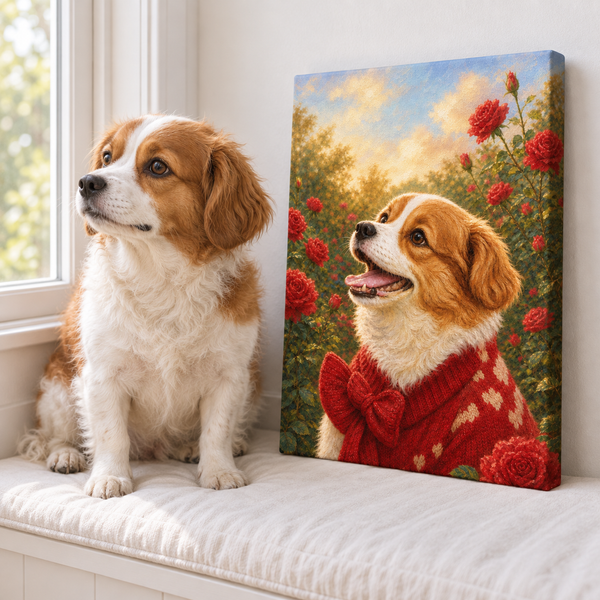
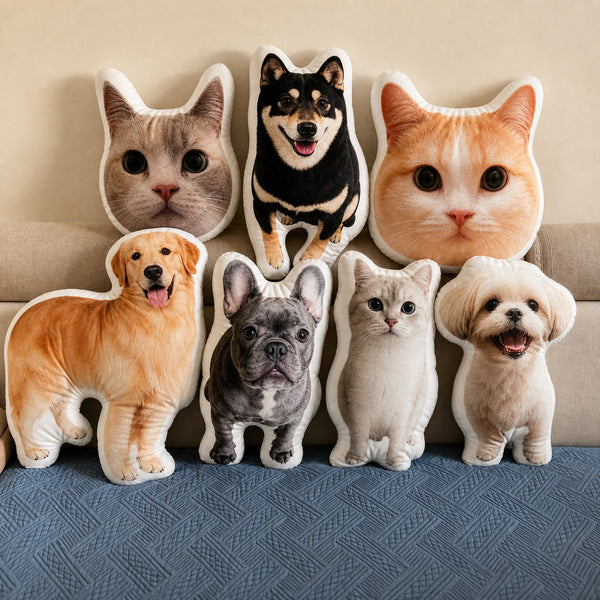
For a dog parent or family member, Pawfolio Art's personalized pet gifts can turn a clear photo from the celebration into something made around that individual pet. Choose the image after the party, when you can compare expressions without rushing. The best frame may be the puppy looking comfortable rather than the one with the most decorations.
A successful puppy party does not have to look busy. A compatible guest list, a clean and secure space, separate resources, short activities, and an easy exit are enough. If your puppy finishes the day safe, settled, and still eager to be near you, the celebration did its job.