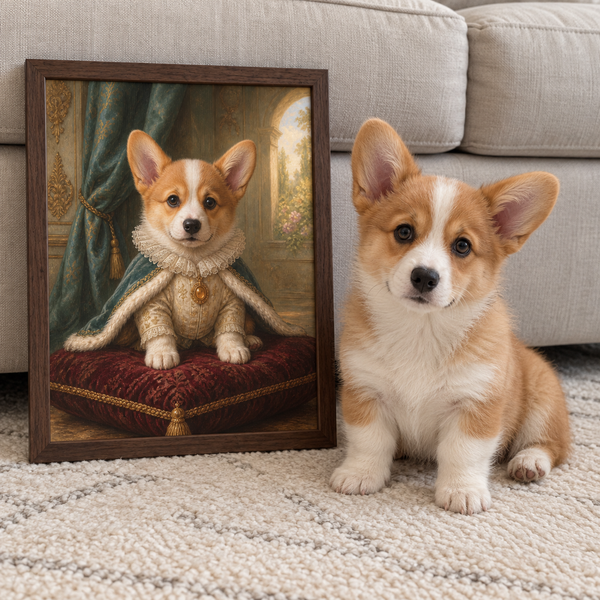
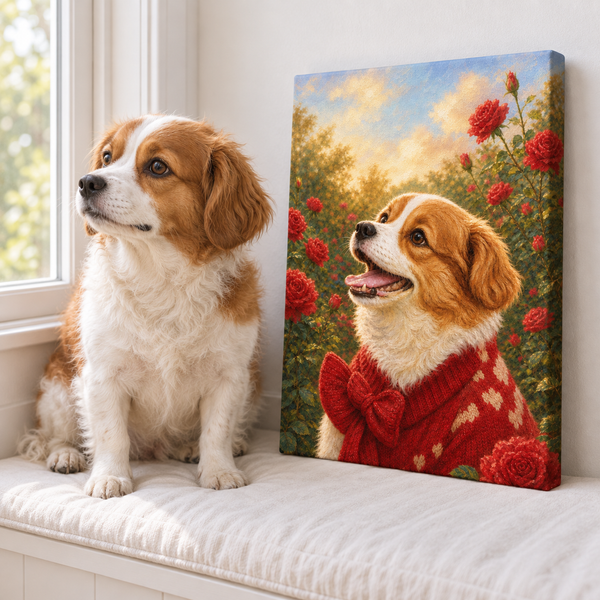
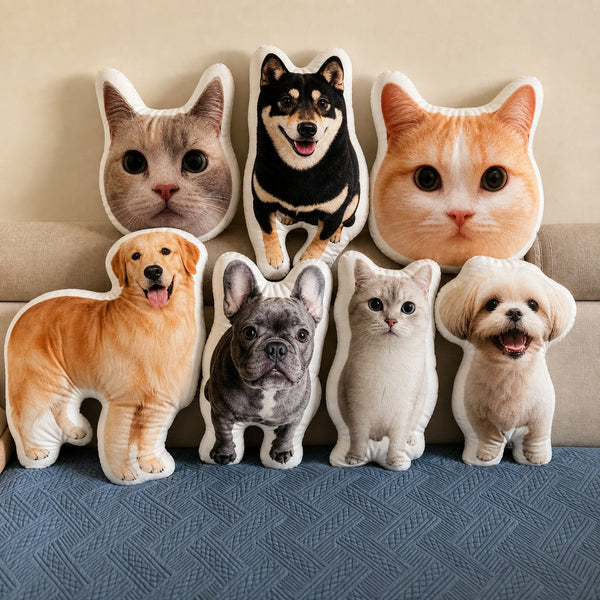

A favorite blanket can move from the sofa to your lap to the spot your dog has quietly claimed. When laundry day arrives, it is tempting to treat every soft throw the same way. The better starting point is the label attached to this particular blanket.
If you are figuring out how to wash a fleece blanket, build the plan around its washing and drying instructions first. Then deal with loose pet hair, decide whether the blanket fits the machine, and make space for the allowed drying method. This guide helps you organize those decisions without guessing the fabric care from softness, appearance, or a product photo.
Start with the label, not the laundry preset
Find the care label before sorting the load. Read the whole thing, including drying restrictions, rather than stopping at the first mention of machine washing. The American Cleaning Institute's fabric-care symbol chart can help you interpret unfamiliar instructions for washing, bleaching, drying, ironing, and professional care.
For your own record, photograph the label while it is readable. Save the picture with the blanket's name or a description such as “green sofa throw.” That avoids a future folder of unidentified labels. If you share laundry duties, put the relevant instructions where the other person can find them.
When the label is missing or unclear, ask the manufacturer for guidance for the exact item. “It looks like fleece” is not enough information to choose a wash setting. Provide the product name and any available item number instead of asking about blankets in general.
Keep three questions separate: Is machine washing allowed? Which wash conditions are allowed? How may it be dried? A yes to the first does not answer the other two. For a personalized blanket, check the instructions for the complete finished item, including any printed design or added details.
Deal with loose hair before starting the wash
Maytag's pet-hair laundry guidance recommends removing loose hair before washing, including with a lint roller. It also suggests shaking pet bedding outdoors and washing pet blankets separately from clothing. Excess hair can contribute to problems such as clogged washer filters, so preparation serves a practical purpose.
Choose a spot for this preparation before carrying the blanket through the house. For example, you might take a washable sofa throw to an outdoor area, remove loose hair, and bring it directly to the laundry basket designated for that load. The point is to give the task a clear start rather than repeatedly setting the blanket on other laundry.
As you handle it, look over the corners, edging, and any visibly soiled areas. This is a chance to identify questions for the care instructions, not to apply whatever stain remedy happens to be nearby. Use any pretreatment only when it is suitable for the item and follow its directions.
If you are unsure whether your small sofa cover should be treated like other household blankets, our explanation of what a pet throw is can help clarify the item's intended role. Its individual care label still decides the washing method.
Give the blanket a suitable load of its own
Before selecting a cycle, consult the washer's instructions about bulky items and capacity. You want an appropriate load, not merely a drum door that can be forced shut. If the blanket does not suit your machine, look for an option that meets both the textile's care instructions and the machine's operating guidance.
Imagine two household tasks: a small throw with loose fur and an oversized blanket that nearly fills the basket. They may share a color and feel equally soft, but they need separate loading decisions. Do not use the successful wash of the smaller item as proof that the larger one belongs in the same machine.
For a shared laundry room, make the decision before reserving a machine. Check the posted instructions and ask the operator about blanket loads if needed. Taking a readable label photo along makes that conversation easier than trying to describe a symbol from memory.
You can prepare the rest of the laundry separately while resolving a blanket question. There is no need to turn an uncertain item into an experiment just to empty the basket. Put it aside with a clear note about what still needs checking.
Choose wash settings that match the actual instructions
Whirlpool's blanket-washing guide describes cold water and a gentle cycle as typical starting points for washable fleece, while emphasizing the manufacturer's care instructions. Treat that as general guidance, not permission to override your label. Use the permitted detergent and amount according to the applicable product and machine directions.
At the controls, compare the label with the settings you are selecting. A button labeled “bedding” is not, by itself, confirmation that the selected temperature and action are suitable. If you cannot make the required settings match, stop and resolve the mismatch before starting.
Keep the plan simple. Do not add a collection of internet laundry tricks because one promises softer fabric and another promises easier hair removal. Any additive should be compatible with the blanket's instructions and used according to its own label. An unknown requirement is a reason to ask, not a reason to combine products.
For a household handoff, a short instruction can be useful: “This is the green throw; the label photo is saved with its product details. Please check those settings before starting.” That is more durable than “wash it normally,” especially when people use different default cycles.
Arrange the drying step before the wash finishes
Follow the label's drying method. Whirlpool notes that low heat or no heat may be appropriate for fleece when tumble drying is permitted, and warns about heat damage. If the label calls for air drying instead, use that method. Do not assume a machine-washable blanket is also approved for a dryer.
Decide where the blanket will go before you begin. If the permitted method requires a drying rack, clear it first. If you use a shared dryer, check that it offers the required settings. Planning this step prevents a wet blanket from becoming a last-minute puzzle after the washer stops.
Build enough time into the day to finish the permitted process. Avoid making the blanket's return to the sofa a deadline that pushes you toward a prohibited setting. For gifting or storage, wait until the blanket is completely dry before folding and enclosing it.
If you are preparing a blanket as a present, our guide to wrapping a blanket as a gift covers the next task. Tuck the original care instructions into the package so the recipient receives useful information along with the gift.
Keep a care record you can use next time
Once you have confirmed the instructions, save a short care record alongside the label photo. Keep it specific enough to identify the item, and separate confirmed directions from anything still unanswered. A practical record could contain:
- The blanket's product name, color, and identifying details.
- A clear photo of the complete care label.
- The manufacturer's guidance for washing and drying.
- Any written clarification you received about the exact item.
- Where the original instructions or receipt are stored.
This is particularly useful when a blanket has sentimental value. If you are considering Pawfolio's custom pet blanket for a pet-photo keepsake, check its own care information rather than assuming this fleece routine applies. A photo design does not establish the fabric or the correct laundry settings.
Your repeatable routine can be straightforward: identify the blanket, check its label, remove loose hair, choose a suitable load, and follow the permitted wash and dry methods. Save what you learned so next laundry day begins with clear instructions instead of another guess.