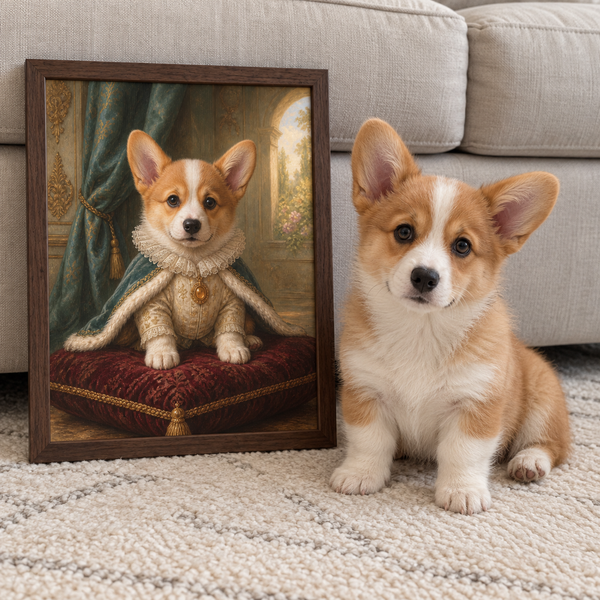
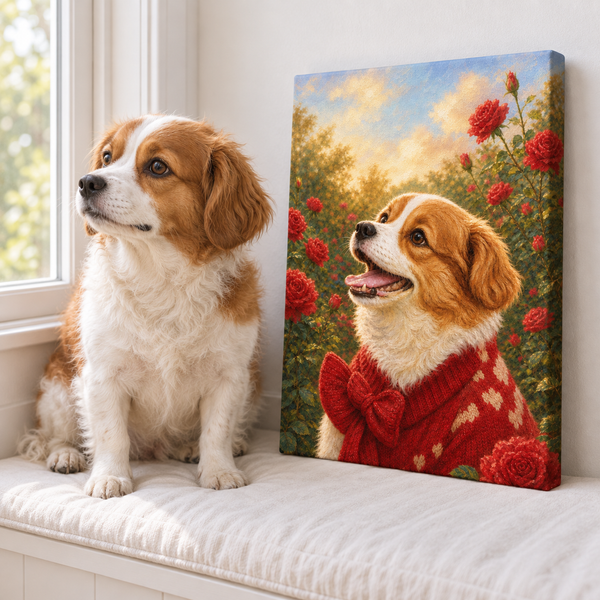
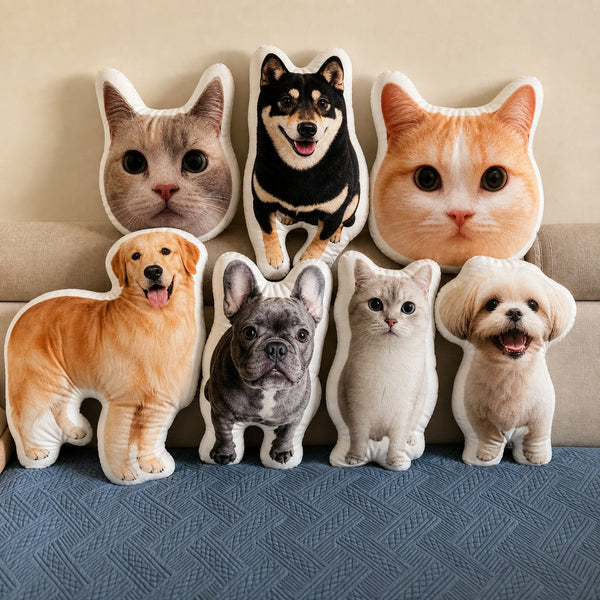

A soft blanket can be an awkward shape to wrap, especially when the picture on it is the reason you chose the gift. Fold it one way and the pet's face disappears; fold it another and the bundle will not fit the box.
The easiest approach is to decide what the recipient should see first, make a stable fold, and choose the wrapping around that folded shape. You can get a thoughtful result with a simple box, a roomy bag, or a reusable cloth.
Here is how to wrap a blanket as a gift while keeping the reveal personal and the package easy to open. These are presentation ideas for a gift you are preparing yourself, with a separate check if it will travel through the mail.
Plan the first thing the recipient will see
Lay the blanket on a clean, dry surface and look at the design before folding. Decide whether the first view should reveal the pet's face, a small part of the artwork, or simply the blanket's color and texture. There is no need to show the entire design through the wrapping.
For a portrait blanket, try leaving the face visible on the uppermost fold when the box opens. If that creates an awkward bundle, let the recipient discover the picture as they unfold it. A note can make that slower reveal intentional: “Open this out to see who wanted a place on your sofa.”
If you are still choosing the gift, Pawfolio's custom pet blanket lets a favorite pet photo become the subject of the design. Choose the actual size and artwork first, then plan your wrapping after you know the finished item. The presentation ideas here do not imply that a gift box or wrapping service is included with an order.
For a smaller sofa layer versus a larger blanket, our explanation of what a pet throw is can help you think about the intended use before choosing the package.
Fold to a shape you can lift and measure
Smooth the blanket gently with your hands, following its existing edges. Begin with a broad rectangle rather than trying to compress it into the smallest possible parcel. Bring the side sections inward, then fold from the bottom toward the top, adjusting the final fold to suit the picture you want visible.
Try the fold without tape, pins, or other fasteners. Lift the bundle with both hands and place it back down. If it opens immediately or becomes uneven, change the fold before adding decorations. A package that holds its shape on the table will be easier to place in a container.
Measure the folded width, length, and height. The height is easy to overlook: a shallow box can fit the footprint while its lid presses against a mound of fabric. Use the measurements of your actual blanket rather than a standard box size recommended for a different thickness.
For an illustrative example, suppose your preferred fold fits neatly across the base of a box but rises above its rim. Refold into a broader, lower rectangle if the box allows it, or choose a deeper box. Forcing the lid down usually makes the presentation more difficult to open and leaves less control over the reveal.
Choose a box or bag that works with the fold
A gift box gives the blanket a defined shape and suits a reveal that begins with lifting a lid. Choose one that closes naturally around the folded blanket. Line it with a modest amount of clean tissue, place the blanket inside, and bring the tissue over the top without attaching adhesive to the fabric.
Before sealing the outer wrapping, open the lid as the recipient would. Check which way the portrait faces and whether the tissue pulls the blanket out of position. Turn the whole folded bundle if necessary; it is easier to fix the orientation now than after the paper is secured.
A gift bag works well when the blanket is thick or you want a quick, flexible presentation. Check the base, side seams, and handles with the gift inside. A roomy bag should contain the blanket without stretching its sides or requiring a large tower of tissue to conceal it. Carry a heavy bundle with support underneath rather than assuming decorative handles can take the weight.
Reusing suitable materials is a reasonable place to start. The EPA's recycling guidance encourages reusing gift bags and tissue paper. Inspect saved materials for condition and cleanliness, and keep the design simple enough that they can be used again.
Use a cloth wrap or removable band for a softer finish
A fabric wrap can become part of the gift, especially if the recipient already uses cloth bags or wrapping squares. Choose a clean piece large enough to cover the folded blanket without stretching. Test the fit with the cloth laid diagonally beneath the bundle before deciding whether it works.
Bring two opposite corners over the blanket, then bring the remaining corners together. Tie them only if there is enough cloth to make a comfortable, easy-to-untie closure. If the corners barely meet, use a larger cloth or switch to a bag. The wrapping should contain the blanket without squeezing it into a hard knot.
For a hand-delivered gift where you want the artwork partly visible, a broad paper band is another option. Wrap a strip around the folded blanket, allow a little room for it to slide off, and join the paper to itself. Position the join on the back. Keep any tape on the band, away from the blanket.
Place the band around an area that does not cross the eyes or cover the main feature you wanted to reveal. A small card tucked beneath it can provide the personal detail. Lift the gift from underneath; the band is a presentation element, not a carrying handle.
Let one note do the personal work
A blanket with a familiar pet already has a clear subject. Choose one supporting detail instead of adding several small decorations. A plain card in a coordinating color may be all you need.
Write something specific to the recipient's everyday life: “For your reading chair, with company from Jasper,” or “A little reminder of the face waiting after every walk.” These are example messages to adapt, not quotations from customers. Use the pet's name and a memory you actually share if that suits the occasion.
Keep care information that came with the blanket available to the recipient. Do not replace it with a generic wash instruction copied from another textile. If you include a separate item, package it according to its own needs rather than assuming the blanket will protect it.
For example, a ceramic mug needs its own protection; our guide to wrapping a mug as a gift covers that different shape. If you are still deciding what belongs in the gift, the personalized pet gift choice guide can help you keep the combination focused on the person receiving it.
Check the opening and the journey separately
Before finishing, rehearse the opening once. Can the recipient remove the band or undo the cloth without cutting close to the blanket? Does the lid lift freely? Is the note easy to find? A thoughtful package should be enjoyable to open as well as attractive on the table.
Then consider the journey. For a short hand delivery, keep the gift supported, clean, and dry. If it will be mailed, decorative paper or a gift bag is only the inner presentation. Use suitable outer shipping packaging and protect any separate fragile items independently.
The USPS package preparation guide calls for strong packaging that does not bulge, appropriate protection against shifting, and securely taped seams. It also warns against string, cord, or twine on the outside because they can catch in sorting equipment. Keep decorative wrapping inside the shipping package and follow the carrier's current instructions for the parcel you are sending.
Finish by checking the recipient's name, the card, and the orientation of the design. When those are right, the wrapping has done its job: it carries the gift comfortably into the moment when someone unfolds a familiar face.