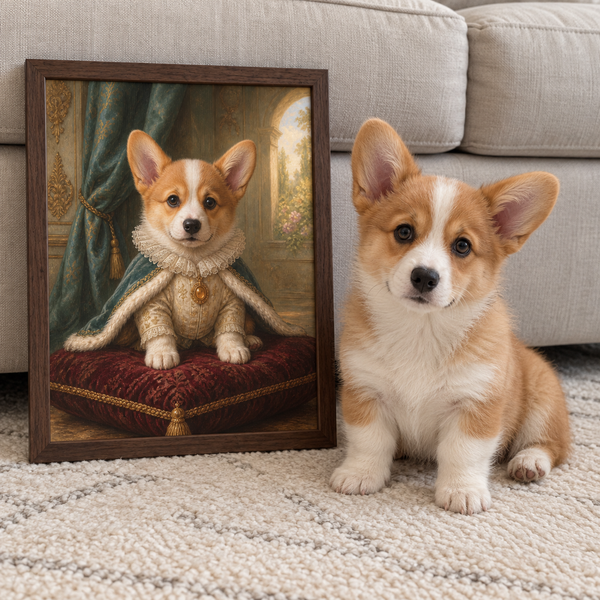
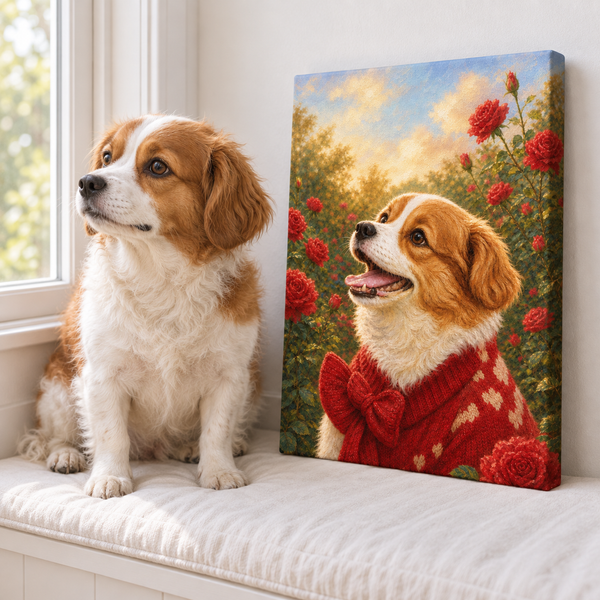


The seasonal pillow swap usually starts on the sofa and ends with a question: where will the other set go? A pet-photo cushion, several patterned covers, and a bulky insert may all belong to the same room, but they do not necessarily belong in the same tightly packed bag. Before buying more storage, work out what each piece needs and when you want to retrieve it.
This guide explains how to store throw pillows through a simple inventory, a care check, and a realistic space plan. The aim is to keep the pieces identifiable and accessible. It is not to fit the largest possible number into the smallest container or apply one cleaning method to every fabric and filling.
Make an inventory before choosing containers
Gather the pillows you intend to put away and separate them from the ones that will remain in use. Start with three groups: removable pillow covers, pillow inserts, and cushions that stay assembled. Do not assume a decorative seam is an opening or that every pet-shaped cushion has a removable cover.
For each item, note its dimensions, care instructions, and any matching parts. A quick photograph can help you remember which insert goes with which cover. Keep that note with your home-storage list rather than attaching tape or a handwritten mark directly to the textile.
Add a short description that will still make sense later. “Tabby face, cream background, living-room chair” is more useful than “favorite pillow.” If several family members put things away, use descriptions everyone can recognize. The system should not depend on one person remembering what is inside each bag.
Set aside anything whose care instructions are missing. That is a question to resolve, not an invitation to copy the directions from a similar-looking cushion. You can still measure it and plan a location while you ask the seller or manufacturer for the correct information.
Complete the care check before packing
Read the instructions for both the cover and the filling when they are separate components. Follow the method allowed for each one. A removable cover does not prove that the insert can be washed, and a printed face does not tell you the correct water temperature, detergent, or drying method.
Inspect the pieces in good light. Note loose seams, stains, or a fastening that needs attention before packing. Keep any item awaiting cleaning or repair apart from the ready-to-store group so it cannot quietly disappear into a seasonal box with the job unfinished.
The Institute of Conservation's textile-care guide explains that damp conditions and soiling increase risks to textiles, and that unsuitable packing can cause crushing and creasing. Its focus includes historic textiles, so do not borrow antique-treatment methods for an everyday cushion. For normal household pillows, use the actual product's care instructions and ensure any permitted cleaning and drying are complete before storage.
Build the timing around that work. If a cushion is not ready when you planned to put everything away, finish the rest of the room and leave this one out of the storage batch. A calendar deadline is not a reason to pack a piece while it is still damp or awaiting advice.
Give covers and filled cushions different amounts of room
Flat covers and full cushions use space differently. If removal is intended for your product, keeping the cover and insert separately may make the available space easier to arrange. Keep their identifying information together so you do not need to guess which parts belong to one another next season.
Choose a container or covering that suits the item and its instructions. Test the arrangement with the actual pieces before buying multiples. Check that a closure can work normally and that you can retrieve a cushion without pulling it through a gap that is too narrow.
Vacuum bags should be a product-specific decision. Do not assume every synthetic filling tolerates compression, or that every cushion will return to its original shape afterward. If you do not have guidance permitting that treatment for the actual item, plan space for it without relying on vacuum compression.
Think about what will sit above the stored pieces, too. A spare shelf can become overloaded once other household objects move in. Assign the pillow area a clear boundary, and keep heavy unrelated storage out of that space. The arrangement you test should resemble the one you intend to keep.
Choose a location you can reach and inspect
Measure the shelf, drawer, or cupboard before deciding that a container fits. Include the opening, not only the internal space. A box that fits behind a door but cannot be removed comfortably will make every future swap more awkward than it needs to be.
The Smithsonian Museum Conservation Institute's guidance on climate and textile storage emphasizes that location, local moisture conditions, overcrowding, and ease of retrieval matter. It identifies damp-prone areas such as some attics and basements as concerns. Those are preservation principles rather than a required shopping list for a linen closet; assess the conditions in your own space instead of choosing by room name alone.
A convenient interior shelf might be useful, but check what is happening around it. Look for signs of dampness, a nearby leak, or a storage habit that puts wet items beside dry textiles. Resolve an unsuitable location rather than expecting a different bag to make the whole area appropriate.
Try the retrieval before considering the job finished. Open the cupboard, take out the intended pillow, and put it back. If this requires unloading several unrelated boxes, move the seasonal set closer to the front or reduce the number of items assigned to that location. Access is part of the plan.
Keep personalized pieces easy to recognize
A cushion printed with your pet's face may belong to a particular person or occasion, even when several pillows have similar colors. Record whose it is and whether it is part of a seasonal arrangement, a daily-use set, or a gift waiting to be given. Separate those uses in your inventory.
If you are adding to a collection, Pawfolio's pet pillow collection includes different formats, including square, shaped, and travel pillows. Compare the actual product details instead of assuming those formats share a storage footprint or construction. This guide does not establish a washing or compression rule for all of them.
For scale questions, the life-size dog pillow guide can help you think about measurements before choosing a new piece. Decide where it will be used and stored. A favorite pet image does not remove the need to check whether the finished object fits the available space.
Keep a future-photo task separate from the storage task. If you notice that you want a clearer source picture for another cushion, save that idea and consult the pet photo tips later. You do not need to turn a simple seasonal swap into a new decorating purchase before putting the current set away.
Leave yourself a useful unpacking note
Label the outside of the storage container with the room, contents, and date packed. Add a short note about anything you will need when unpacking, such as which insert belongs to a cover or where you saved the care instructions. Use a description of the item, not a promise that it requires no future checks.
For example, a hypothetical household might record: “Reading-chair set: one cream cat cushion, two green covers, matching inserts on the shelf above.” That note makes the next change straightforward without requiring a complicated catalog. A phone photograph of the finished shelf can also remind you how everything fits.
When you next access the storage, inspect the items and location before returning the pillows to use. If something is damp, stained, damaged, or otherwise concerning, pause and get appropriate care advice. Do not try to cover an unexplained odor with fragrance and consider the issue solved.
Keep new presents separate from household rotation. The personalized pet gift choice guide can help when a pillow is intended for someone else's space. For your own seasonal storage, the finish line is smaller: the pieces are ready, their needs are understood, and you can find the one you want without unpacking the whole cupboard.