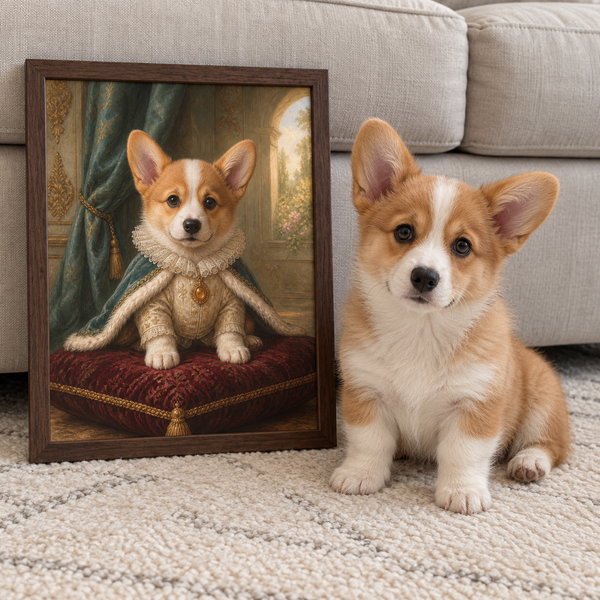
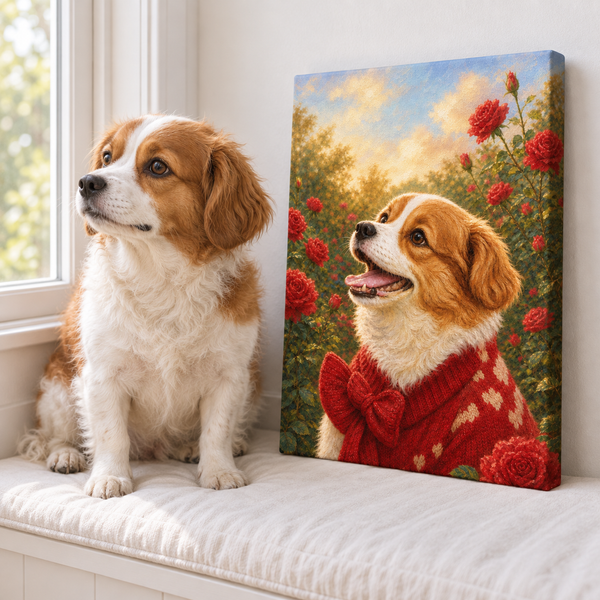
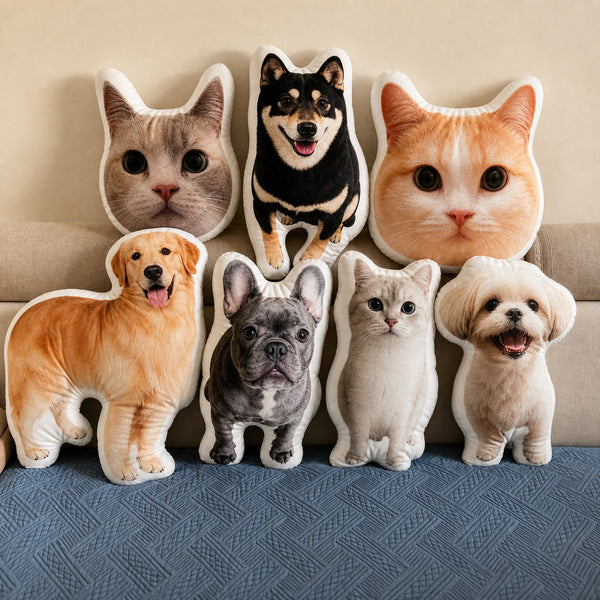

A paw print can mark a puppy's first year, an adoption anniversary, or a quiet memory you want to keep. The finished impression is small, but getting it cleanly requires more preparation than pressing a paw onto paper.
The safest way to get your dog's paw print is to choose a method your dog can tolerate, prepare every supply before you begin, and stop before the session becomes a struggle. An inkless transfer pad creates the least direct contact with pigment. A washable, nontoxic medium can produce a classic painted print. A commercial pet impression kit creates a three-dimensional result without putting wet craft material on the fur. Here is how to approach all three with comfort first.
Make sure paw handling is comfortable
Do not make the craft the first time you hold your dog's foot. Many dogs are sensitive about their toes, especially if they have had an uncomfortable nail trim or sore paw in the past.
Practice on a different day. Touch the shoulder, glide your hand down the leg, briefly touch the paw, then offer a treat. Over several short sessions, progress only while your dog stays loose and willingly remains with you. If you see pulling away, repeated lip licking, tucked posture, panting unrelated to heat, or refusal of treats, make the next attempt easier.
VCA's happy-handling guidance describes desensitization as breaking handling into tiny steps and pairing those steps with something the pet enjoys. Sessions may begin at only a few seconds. That principle matters more than getting a print today.
Skip the project if the paw is injured, irritated, recently treated, or painful. A veterinarian should evaluate unexplained limping, swelling, broken nails, bleeding, or persistent licking before you add handling or craft materials.
Gather everything before inviting your dog over
Choose a washable floor or place a nonslip mat under the work area. Keep other pets and children out of the room so the session stays predictable.
Prepare:
- plain, sturdy paper plus several practice sheets;
- your chosen inkless pad, washable medium, or commercial pet impression kit;
- a damp cloth and a bowl of clean water if the method requires cleanup;
- dry towels;
- high-value treats;
- a firm book or board to support the paper;
- a waste bag for used wipes and packaging.
Read the product label before the dog enters. “Washable” and “nontoxic” are useful screening terms, but they do not mean the material should be swallowed. Do not use solvent-based paint, oil paint, powdered pigment, glaze, paint thinner, or an unlabeled craft mixture on a paw.
The ASPCA's craft-safety guidance recommends checking art-product labels and distinguishes the ACMI AP seal from products carrying cautionary labeling. The seal can help you screen supplies, but you should still prevent licking, follow the manufacturer's directions, and clean the paw promptly.
Method 1: Use an inkless transfer pad
An inkless pad is usually the cleanest starting point because the coated side that touches the paw is separated from the paper. Check the package carefully: designs differ, and the correct side must face the paper.
- Put the special paper on a firm, nonslip surface.
- Position the transfer pad according to its instructions, with the inked surface facing away from the paw.
- Ask your dog for a familiar position—standing or sitting—without pulling the leg sideways.
- Support the paw gently and lower it straight onto the clean side of the pad.
- Apply even, brief pressure across the main pad and toes. Do not squeeze individual toes apart.
- Lift the paw straight up, reward your dog, and inspect the result.
Make one or two practice prints before using your final card or paper. A slightly uneven impression often looks more natural than repeated attempts that frustrate the dog. Label the back with the date rather than writing near the wet image.
If the product transfers residue despite being marketed as inkless, clean the paw according to the label and prevent licking until it is dry.
Method 2: Make a print with a washable medium
This method creates the familiar painted-paw look, but it has the greatest chance of mess and licking. Use only a small amount of a washable, nontoxic product whose label and manufacturer instructions are appropriate for the intended contact. If you are uncertain about a product or your dog has sensitive skin, ask your veterinarian and choose the inkless method instead.
Spread a very thin, even layer onto a disposable plate or apply it to the large paw pad with a clean sponge. Saturating the fur creates smears and makes cleanup harder.
Lower the paw onto sturdy paper in one controlled motion. Press lightly for a second, then lift straight up. Reward the dog and clean the paw immediately, including between the toes. Dry it thoroughly so your dog does not slip.
Do not allow the dog to walk around with wet material on the feet. Keep the container, wipes, and used paper out of reach. Today's Veterinary Practice overview of art-supply toxicity explains that risk depends on the exact medium, ingredients, and exposure route; there is no safe shortcut based only on the word “paint.”
If material gets into the eyes or mouth, the skin becomes irritated, or your dog ingests a supply, follow the product label and contact your veterinarian or a pet poison-control service with the package in hand.
Method 3: Use a commercial pet impression kit
A relief impression captures depth instead of color. Choose a kit made and labeled for pet keepsakes, then follow its instructions exactly. Do not improvise with household dough.
Salt dough is a particularly poor substitute. Even after drying, its high salt content can be dangerous if a dog eats it. The ASPCA recommends keeping salt-dough crafts out of pets' reach and contacting a veterinarian or poison-control service after ingestion.
For a commercial impression kit:
- Prepare and level the material before bringing your dog to the work area.
- Test the required pressure with your own fingers or a household object.
- Support the dog's leg in a natural position.
- Press the paw down only as far and as long as the kit directs.
- Lift straight up, reward the dog, and inspect the toes and main pad.
- Clean the paw if the manufacturer's directions require it.
- Cure the finished piece where pets cannot reach it.
Avoid deep pressure and never force the toes into place. If the first impression is imperfect but recognizable, it may be better to keep it than repeat an uncomfortable step.
How to get a clearer print
Most blurry prints come from movement, excess material, or a soft work surface. These small adjustments help:
- Use firm backing under the paper.
- Apply a thin, even layer rather than a puddle.
- Bring the paper to a comfortably positioned paw when floor placement is awkward.
- Keep the leg aligned under the body instead of pulling it forward.
- Lift straight up rather than rolling the paw away.
- Take a break between attempts.
- Have a second person reward calmly, but avoid crowding the dog.
Long fur between the pads can soften the edges. Do not trim it solely for a craft unless you already know how to do so safely. A groomer can advise you if paw hair affects traction or hygiene.
Preserve, scan, and use the result
Let a paper print dry completely, then scan or photograph it in even light. A high-resolution digital copy gives you room to remove dust, straighten the page, and make duplicates without handling the original repeatedly. Keep one untouched master before experimenting with color or layout.
You can use a copy for a small frame, scrapbook label, memorial card, or annual page that tracks a growing puppy. If the print is part of remembrance, Pawfolio's pet memorial portrait ideas can help you choose a tribute without rushing the decision.
For a different no-contact keepsake, start with a clear photograph instead. Pawfolio's Photo Tips explain lighting, focus, eye level, and visible markings, while a photo-based custom pet Art Print is created from the pet photo rather than from a paw impression.
The best paw print is the one your dog can make without fear or force. Prepare first, keep the contact brief, use a clearly labeled method, and accept a little imperfection. The uneven toe or faint edge may be exactly what makes the print feel like your dog rather than a stamp.