
Buying for a cat lover looks easy until you notice how much generic cat merchandise already exists. Another slogan, silhouette, or novelty trinket may acknowledge that the person likes cats without showing that you understand this person—or this cat.
The best gift ideas for cat lovers begin with four questions: Is the present mainly for the human, the cat, or both? What does the recipient use every day? What will fit the home? And how personal should the gesture feel? Once those answers are clear, choosing among practical gear, shared experiences, personalized keepsakes, and home pieces becomes much easier.
First decide who the gift is really for
A gift for a cat and a gift for a cat lover are not interchangeable.
- For the cat: toys, scratchers, resting spots, and enrichment items depend on the cat's behavior, size, health, and existing setup.
- For the person: mugs, clothing, art, books, and desk accessories should match the recipient's style and routine.
- For both: a shared play item, attractive cat furniture, or cozy home piece needs to work for the animal without becoming unwanted clutter for the human.
If you have never met the cat, stay mostly on the human side of the decision. A photo-based gift, a useful object, or an offer of practical help is less likely to disrupt feeding, litter, or enrichment routines you do not understand.
If the gift is for the cat, ask a simple question before buying: does this cat prefer chasing, climbing, hiding, scratching, watching, or food puzzles? VCA's indoor-cat enrichment guidance stresses that cats have individual preferences and that there is no one-size-fits-all enrichment plan.
Match the idea to a real routine
A useful gift becomes personal when it connects to something the recipient already does.
For the person who starts every day with coffee, a mug featuring a favorite cat photo can fit naturally into the morning. For someone who works from home, a small framed piece for the desk may be more visible than a large wall item. A reader with a permanent cat on their lap might appreciate a soft throw, while a frequent traveler may prefer a compact keepsake rather than another object for the house.
Think in routines rather than categories:
| Routine | Useful direction |
|---|---|
| Morning coffee or tea | Personalized mug or small kitchen item |
| Home office | Framed art, desk print, or useful organizer |
| Quiet evenings | Blanket, book, or low-key shared activity |
| Daily walks and errands | Subtle clothing or a practical accessory |
| Photo-filled phone | A printed keepsake using one well-chosen image |
| Busy multi-cat home | Help with sitting, transport, or a household item that does not create competition |
This approach also helps you avoid duplicates. Someone may already own plenty of cat-themed objects but still have no printed image of the particular expression they love most.
Let the cat's personality narrow the choice
The gift does not need to be for the cat to reflect the cat's character. A shy cat who appears only at quiet moments suggests a different image and mood from a bold cat who occupies every windowsill.
Use a few recognizable details:
- the cat's favorite sleeping place;
- a distinctive marking or eye color;
- the expression the owner photographs repeatedly;
- a habit such as loafing, stretching, supervising meals, or sitting on books;
- the owner's affectionate nickname for the cat.
Pawfolio's guide to capturing a cat's personality in a portrait can help you decide whether the strongest direction is calm, playful, curious, dignified, or dramatic. The goal is not to invent a theme; it is to recognize what the recipient already loves.
When using a photo, choose clarity over comedy unless the funny moment is still readable. Check that the face is in focus, the ears are visible, and important markings are not hidden in shadow. Ask a household member for help if the gift is a surprise rather than saving a tiny image from social media and hoping it will reproduce well.
Choose something that belongs in the home
Home style matters, even when the subject is beloved. A renter in a compact apartment may not want a large wall piece or furniture that requires anchors. A minimalist may prefer one clean portrait, while a collector may enjoy a colorful object that joins an existing display.
Before ordering décor, consider:
- available wall, shelf, or desk space;
- the room's main colors;
- whether the recipient prefers useful objects or display-only keepsakes;
- whether the item needs to move easily;
- whether multiple pets should be represented together;
- whether the recipient already has a preferred frame style.
When you are unsure, smaller and more adaptable is usually kinder than larger and more dramatic. A gift should not create an unplanned decorating project.
For personalized options across mugs, clothing, pillows, blankets, portraits, and other formats, Pawfolio's personalized pet gift choice guide compares the recipient, routine, room, occasion, and source photo before the product.
Practical gifts can still feel thoughtful
Not every cat lover wants a sentimental keepsake. Practical help can show excellent judgment, especially for a new adopter, foster household, older owner, or friend moving with a cat.
Useful possibilities include:
- a contribution toward pet sitting or transportation;
- a lint-removal tool the recipient already prefers;
- replacement filters or refills for equipment they already own;
- a washable mat sized for the existing feeding or litter setup;
- a gift card for the cat's regular veterinarian, groomer, or trusted pet store;
- a scheduled visit to help assemble or move cat furniture.
Do not guess at food, medication, litter, supplements, or medical equipment. Brand, formula, and veterinary instructions matter. If you want to cover a recurring expense, ask for the exact item or offer a flexible contribution.
Likewise, a large scratcher or climbing tree is not automatically a better gift. Measure the space, check whether anchoring is allowed, and find out which surfaces the cat already uses. The most generous object can still be inconvenient if it blocks a doorway or duplicates a successful setup.
Personalized gifts work best when the detail is specific
Personalization is more than adding the word “cat.” The strongest version connects the object to one animal and one relationship.
You might use:
- one clear portrait rather than a crowded collage;
- the cat's name in restrained typography;
- a familiar pose that the recipient will recognize immediately;
- colors that suit the recipient's room or wardrobe;
- a short date or message only when it adds meaning.
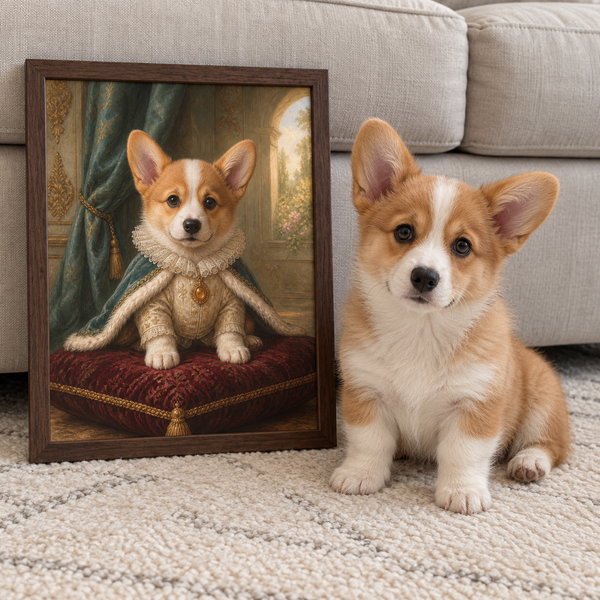
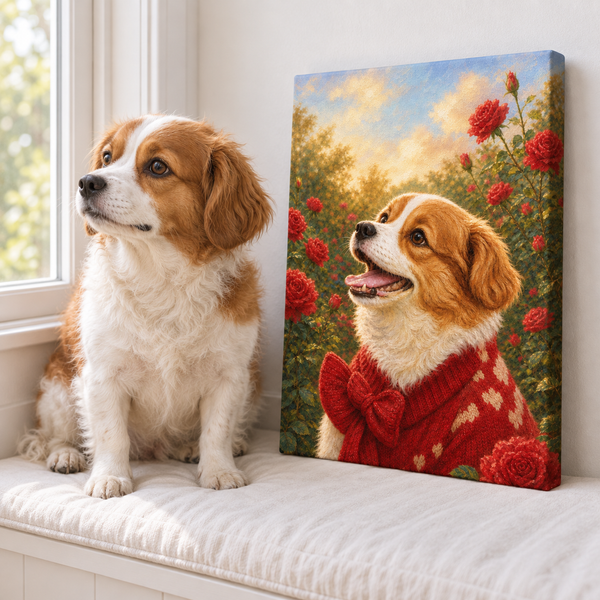
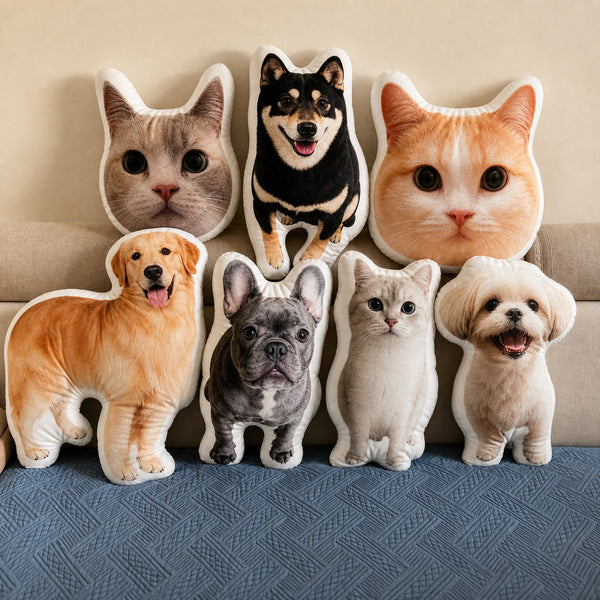
A personalized pet gift can fit everyday routines as a mug, pillow, blanket, clothing item, stuffed keepsake, Art Print, or Canvas. Choose the format because it suits the recipient, not because it can hold the largest image.
For a surprise, confirm that you have permission to use the photo and that it is large enough. Do not post or share the finished image publicly without the owner's consent, especially if people, addresses, tags, or private details appear in the original.
Keep gifts and wrapping cat-aware
Beautiful packaging can become a hazard when a curious cat reaches it first. Remove loose string, ribbon, yarn, tinsel, plastic loops, and small detachable decorations after opening. Do not leave wand toys or string-based toys unattended.
The American Veterinary Medical Association's holiday safety guidance warns that swallowed ribbons, tinsel, and decorations can cause choking or intestinal blockage. The ASPCA holiday safety guide also flags wires, batteries, breakable ornaments, and toxic plants—including lilies, which are especially dangerous to cats.
Use simple paper wrap or a reusable bag, then put packaging away. If flowers or plants are part of the gift, verify the exact species against a reliable veterinary or poison-control source rather than assuming a bouquet is safe.
Inspect any toy for loose pieces and choose a size that cannot be swallowed. Give the receipt when fit, mounting, or cat preference is uncertain. A safer gift is one the household can exchange without guilt.
Use the relationship and occasion to set the scale
A coworker, close friend, partner, and grieving family member may all love cats, but the same gift will not suit every relationship.
- Coworker or neighbor: a modest mug, desk item, or practical gesture keeps the scale comfortable.
- Close friend or family member: a personalized portrait, blanket, or shared experience can carry more emotional detail.
- New adopter: practical help and flexible choices may be more useful than a permanent keepsake before routines settle.
- Housewarming: confirm space and décor before choosing wall art or cat furniture.
- Memorial moment: follow the recipient's lead. Some people value a keepsake immediately; others need time and may prefer a note or practical support.
Add a short message that explains your decision: “I chose this photo because it looks like the way Juniper waits beside your desk every morning.” One concrete observation gives an ordinary format emotional weight.
A four-question final check
Before buying, ask:
- Is this for the person, the cat, or both?
- Where will it be used or displayed?
- What specific detail makes it about this cat?
- Does it introduce a safety, size, food, or décor decision I have not confirmed?
If all four answers are clear, you probably do not need a longer list. The most thoughtful cat-lover gift is not necessarily the cleverest or most expensive. It is the one that fits a real routine, respects the home, and recognizes the particular cat at the center of the relationship.