

What is the easiest pet to take care of? There is no single honest answer. A healthy adult cat may fit one household beautifully, while a small aquarium may fit another. Even pets often described as “low maintenance” still need appropriate housing, daily observation, enrichment, cleaning, and access to veterinary care.
The easiest pet for you is the one whose normal needs fit your time, space, budget, and comfort level—not the animal with the shortest care checklist online. A better choice comes from comparing the kinds of work each pet requires before choosing a species or an individual.
“Low maintenance” does not mean no maintenance
Small does not automatically mean simple. A hamster takes up less room than a dog, but still needs a suitable enclosure, opportunities to forage and burrow, careful handling, and a plan for veterinary care. Fish do not need walks, yet water quality and aquarium setup create their own learning curve. Reptiles may be quiet, but temperature, humidity, lighting, diet, and access to an experienced veterinarian can be demanding.
Cats are sometimes treated as the default easy pet because they use a litter box and do not need outdoor walks. That overlooks play, social contact, scratching options, grooming, litter care, preventive health care, and individual differences. Dogs usually require more visible daily scheduling, but an adult dog's known temperament may be easier for a particular family than the uncertainty and intensive supervision of any baby animal.
The American Veterinary Medical Association's pet-selection guidance recommends considering food, housing, socialization, exercise, grooming, veterinary care, time away from home, and the animal's whole lifespan. It also notes that birds, reptiles, amphibians, and small mammals may require specialized veterinary care. That availability should be checked before adoption, not after an emergency.
Compare the type of care, not just the number of chores
Write down what a normal weekday, weekend, and travel week look like in your home. Then compare each possible pet across these six care burdens.
1. Fixed daily tasks
These are the jobs that cannot simply move to tomorrow: feeding, fresh water, medication, litter or waste checks, exercise, temperature monitoring, and safety checks. Ask when they must happen and how long the pet can comfortably be alone.
A ten-minute task can still be difficult if it must happen at the same time every morning. Conversely, a longer evening walk may be easy for someone who already wants that routine.
2. Habitat and cleaning
Every pet lives somewhere, even if that “somewhere” is your whole home. Compare the space needed for an enclosure, litter boxes, resting areas, exercise, food storage, and separation from hazards or other animals.
Cleaning also differs by species. A litter box, bird enclosure, aquarium, and dog-walking routine involve different tools and tolerances. Choose the work you can repeat consistently, not the setup that looks smallest in a photo.
3. Social and enrichment needs
Some animals want frequent interaction with people. Others need species-appropriate companionship, opportunities to hide, or a carefully furnished habitat more than they need handling. Quiet is not the same as content.
Consider whether the pet is active when your household is awake and whether everyone understands respectful interaction. Children can help with age-appropriate jobs, but an adult must remain responsible for the animal's welfare. The AVMA explicitly cautions against expecting a child to be solely responsible for a pet.
4. Skill and veterinary access
How confident are you with training, nail care, handling, water testing, live or specialized diets, or monitoring environmental conditions? Skills can be learned, but learning takes time and reliable information.
Before choosing an exotic or less common companion animal, find a veterinarian who actually treats that species. Check the travel distance, routine exam cost, emergency options, and boarding or pet-sitting availability.
5. Lifetime cost and lifespan
The purchase or adoption fee is only the beginning. Add food, housing, equipment, routine veterinary care, grooming, training, insurance or emergency savings, travel care, and replacement supplies. An inexpensive animal can require an expensive habitat; a familiar species can still develop costly health needs.
The New Zealand Veterinary Association's choosing-a-pet guide encourages a lifelong budget and asks whether the pet fits the family's time, home, expectations, and future care. Lifespan matters too. Some animals may be with you through moves, job changes, relationships, or retirement.
6. Backup care
Who will provide the same standard of care when you work late, become ill, or travel? A willing friend may be comfortable feeding a cat but not managing an aquarium or a temperature-controlled habitat. Price real boarding or sitter options before deciding that coverage will be easy.
A simple way to narrow your choices
Instead of starting with “Which pet is easiest?” begin with three lists.
Nonnegotiable limits: Include housing rules, allergies, available floor space, household members who are vulnerable to bites or infection, and the maximum uninterrupted time the pet would regularly spend alone.
Care you enjoy: Be honest about whether you want outdoor exercise, training sessions, habitat design, grooming, quiet observation, or close physical companionship. Enjoyable work is easier to sustain.
Care you resist: Note the jobs you are likely to postpone—early walks, frequent cleaning, handling live food, noise, shedding, or arranging sitters. A pet whose core needs depend on your least sustainable task is probably not an easy fit.
Use those lists to remove mismatches. Then speak with a veterinarian, experienced rescue, or reputable species-specific organization about the remaining options. PDSA's “Which Pet?” framework is built around the same principle: the right pet belongs in a home that understands and can meet that animal's welfare needs.
Adult pets can make the decision clearer
People often assume a puppy, kitten, or other young animal will be easier because they can “raise it their way.” Babies usually require more supervision, more frequent routines, and patience through rapidly changing behavior. Their adult temperament may also be less predictable.
With an adult rescue animal, staff or foster caregivers may be able to describe activity level, handling preferences, house habits, and responses to children or other pets. Those observations are not guarantees, but they can make matching more informed. Ask what the organization has seen, what remains unknown, and what transition support is available.
If a puppy is still the right fit, our guide to what to get for a new puppy separates genuine first-week needs from optional purchases. For a cat in a smaller rental, how to cat-proof an apartment helps turn square footage into usable, safe territory.
The best answer is a sustainable match
Do not choose from a generic ranking alone. Research the specific species, breed or type, age, health history, and individual temperament. Meet the animal when possible. Confirm legal and rental restrictions. Price the habitat and routine care. Locate the right veterinarian. Then test the schedule on paper for a busy week, not an ideal one.
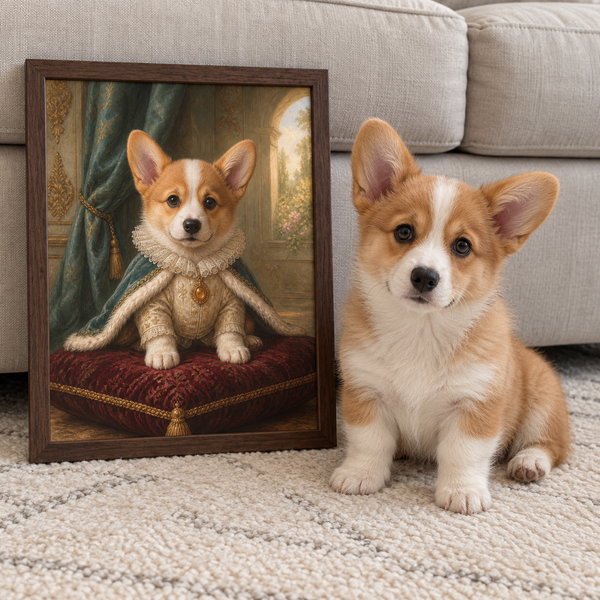
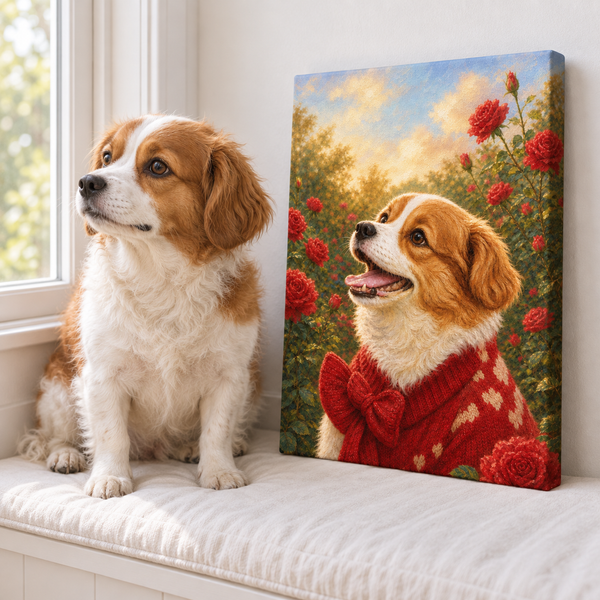
Once a pet is part of the family, the routines that looked like obligations often become the small details people remember most—the waiting face at breakfast, the favorite window, or the sound of paws approaching. Those individual details are what custom pet portraits from Pawfolio Art are designed to preserve, long after the original “easy pet” question has been replaced by a relationship.
So, what is the easiest pet to take care of? It is the pet whose needs you understand, can afford, and are genuinely willing to meet for life. Ease is not a property of the species alone. It is the fit between a real animal and a prepared household.