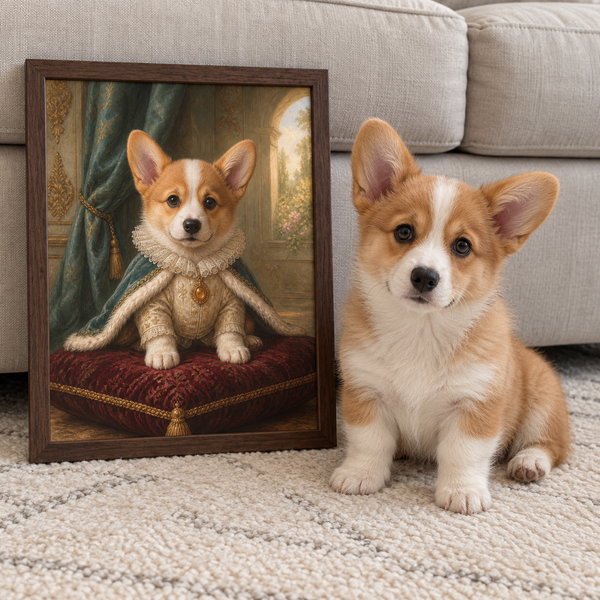
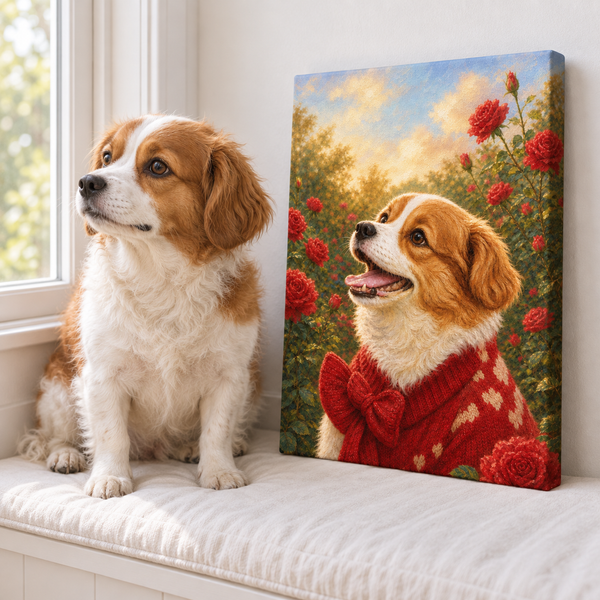

The best dog and human costume ideas make sense at a glance without asking your dog to tolerate a complicated outfit. A coordinated color, familiar harness, soft bandana, or quick photo prop can carry the theme while the human does most of the dressing up.
Start with your dog's normal comfort level, then choose the idea. Some dogs happily wear a well-fitted shirt; others freeze when a bandana appears. Both responses are valid. The 12 duos below can be scaled from “human costume only” to a simple wearable accent, so you can keep the fun without turning the photo into a test of endurance.
Choose Your Dog's Costume Level First
Use a three-level comfort scale before buying or making anything:
- Level 0: no wearable. The dog stays in a regular collar or harness while the human's outfit and a background tell the story.
- Level 1: familiar accent. Add a lightweight bandana, bow attached safely to a collar, or color-coordinated harness accessory.
- Level 2: simple garment. Use a soft, breathable, properly fitted shirt, cape, or vest only if your dog already enjoys wearing clothes.
The American Veterinary Medical Association says a pet costume should fit comfortably and must not block sight, hearing, breathing, the mouth, or movement. VCA Animal Hospitals adds that loose pieces, restrictive fit, impaired vision or hearing, and the individual dog's response all affect safety.
Try the outfit on well before Halloween. Keep the first session short, pair it with a normal positive activity, and remove it immediately if your dog refuses to move, scratches or bites at it, repeatedly lip-licks or yawns, tucks the body, pants in a cool room, or tries to escape. Those signals matter more than whether the costume is “almost on.”
12 Matching Costume Ideas With a Dog
Each concept works without a mask over the dog's face, footwear, fake limbs, or a bulky headpiece.
1. Gardener and Bumblebee
Wear overalls, gardening gloves, and a sun hat. Your dog can use a yellow-and-black bandana or simply stand near a few uncarved pumpkins and potted pet-safe flowers. Skip wire antennae; the stripes are enough to make the idea readable.
2. Detective and Clue Finder
The human wears a trench coat and carries a notebook. Give the dog a plain plaid bandana or keep the everyday harness. Place one oversized cardboard “clue” on the ground for the photograph, then remove it before the dog can chew it.
3. Artist and Muse
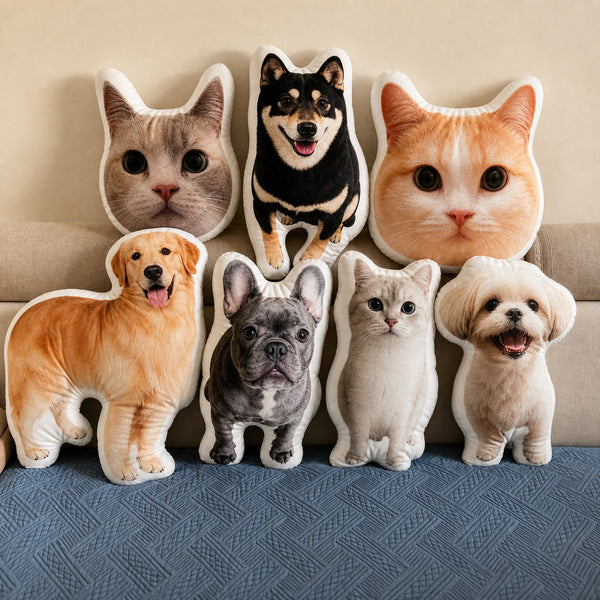
Wear a paint-smudged apron and hold a clean, dry paintbrush away from the dog. Your pet needs no costume at all; the role of “muse” is naturally clear. A human shirt printed with your pet's face can also become the costume itself. Pawfolio's custom clothing featuring your pet offers that kind of personalized human layer without requiring the dog to dress up.
4. Chef and Taste Tester
Add a chef hat and apron to the human outfit. The dog stays in a normal collar beside an empty, clean mixing bowl used only for the photo. Do not use chocolate, candy, raw dough, skewers, onions, wrappers, or real food as props.
5. Astronaut and Mission Control
The human wears a silver jacket or white coveralls with a handmade mission patch. Use a navy bandana or ordinary harness for the dog. A cardboard control panel behind you completes the scene without putting a helmet or reflective plastic around the dog's face.
6. Lifeguard and Beachgoer
Wear a red shirt, whistle kept out of the dog's reach, and sun visor. Pair it with the dog's regular red harness or a blue bandana. A rolled towel in the background is safer and easier than sunglasses on the dog.
7. Mail Carrier and Special Delivery
The human carries an empty canvas mailbag and wears a blue shirt. Attach nothing to the dog; let a decorated cardboard parcel sit beside both of you. Keep tape, string, staples, and packing filler out of reach.
8. Weather Reporter and Forecast
Wear a raincoat and hold a toy microphone. Make a flat cardboard sun or cloud for the background, not for the dog's back. A yellow or gray bandana can coordinate with the forecast. Avoid opening an umbrella close to a dog who startles at sudden movement.
9. Camp Counselor and Trail Buddy
Choose hiking clothes, a map, and a safe indoor campsite backdrop. Your dog wears the usual walking harness. This is particularly easy for a dog who dislikes costume changes because the familiar gear is already part of the character.
10. Baseball Coach and Team Mascot
The human wears a cap and jersey. Coordinate the dog's collar or bandana with the team colors. Use a soft foam ball only under supervision, and keep bats or hard equipment out of the dog's walking path.
11. Storybook Explorer and Sidekick
Wear a field jacket, boots, and a paper map. Let your dog be the uncostumed sidekick. A small cardboard sign pointing toward an imaginary destination makes the theme clear and leaves the dog free to sit, stand, or walk away.
12. Night Sky and Shooting Star
The human wears dark blue with fabric stars sewn securely to the human garment. The dog can wear a familiar gold or yellow bandana—or nothing. Use warm string lights only in the distant background, secured where the dog cannot reach cords or bulbs.
These ideas are starting points rather than breed assignments. A tiny dog does not need to play the delicate role, and a large dog does not need a “tough” character. Choose the story that fits your shared routine and your dog's actual behavior.
Run a Two-Minute Fit and Movement Check
For a dog who is comfortable in a simple garment, measure according to the maker's size guidance and check every contact point before use. Then watch the dog walk, turn, sit, lie down, drink, and take a treat. The outfit should not twist, slide over the eyes, press the throat, trap a leg, cover the ears, or change the dog's normal stride.
Inspect every button, bell, tie, elastic loop, battery compartment, and decorative edge. If a piece can be chewed off, remove it. Check the fabric against the weather and indoor temperature, and keep the session shorter than you think necessary. Never leave a costumed dog unattended.
If the dog looks uncomfortable, step down a level. A festive bandana is not a consolation prize; it is often the cleaner visual choice. If even that causes stress, let the human costume and setting carry the entire concept.
Plan the Photo Before Dressing Your Dog
Prepare the camera, light, background, and human costume first. Choose an uncluttered location with nonslip footing and an easy exit. Then bring your dog in for a few brief frames. Our pet portrait photo guide explains why bright, even light, eye-level framing, sharp focus, and visible facial details make an image easier to read.
Let the dog choose a natural position instead of repeatedly resetting paws. Use a familiar cue and ordinary dog-safe rewards if food reinforcement is part of your routine. Photograph the Level 0 version first; that way, you already have a complete image if your dog opts out of the accessory.
For more seasonal setups, the dog Christmas card ideas guide covers negative space, simple backgrounds, and short sessions that also work for Halloween. The goal is a recognizable memory, not proof that your dog can hold a pose.
Keep Halloween Safe After the Photo
Costume comfort is only one part of the evening. The ASPCA's Halloween guidance recommends keeping chocolate and xylitol-containing candy away from pets, reducing stress around the front door, checking costumes for choking hazards, and using identification and reflective gear after dark.
Keep your dog securely leashed outdoors and confirm that the collar tag and microchip contact information are current. A reflective walking layer should remain visible rather than hidden under a costume. At home, place candy bowls, glow sticks, fake cobwebs, candles, wires, and small decorations beyond reach. Give a noise-sensitive dog a quiet room away from repeated doorbells and masked visitors.
Your dog does not have to greet trick-or-treaters or attend a crowded event to be included. A five-minute photo earlier in the day, followed by a normal walk and a quiet evening, may be the best celebration. Showing affection sometimes means noticing when your plan is no longer fun for the other participant; our guide to everyday ways to show your dog love starts with that same attention to preference.
Pick the duo that works at Level 0, add only what your dog already tolerates, and stop while everyone is still relaxed. That is the real trick behind a Halloween costume you will be happy to remember.