
If you have wondered, “Why does my cat massage my blanket?” the short answer is usually comfort. Kneading is the alternating push-and-release motion cats make with their front paws. It begins during kittenhood, when nursing kittens press against their mother, and many cats continue the motion on soft surfaces as adults.
The behavior can include purring, flexing claws, drooling, or briefly holding fabric in the mouth. Those details are often harmless, but they also help you tell a relaxed ritual from a fabric-safety problem or a sudden behavior change that deserves veterinary attention.
What Cat Kneading Looks Like
A kneading cat shifts weight from one front paw to the other in a steady rhythm. Some cats barely press the surface. Others stretch their toes, extend their claws, circle once or twice, and settle down after several minutes. You may see it before sleep, during quiet time on the sofa, or when your cat climbs onto your lap.
Veterinary guidance from VCA Animal Hospitals explains that kneading is a kitten behavior that can continue into adulthood. VCA also notes that cats have scent glands around the paws, so the motion may contribute to marking a familiar resting place.
There is no need to assign one emotional meaning to every session. Look at the whole pattern: where it happens, what your cat's body looks like, whether the fabric is damaged, and whether the behavior has changed.
Why Cats Massage Blankets
A familiar comfort pattern
The nursing connection is the best-supported starting point. Soft fabric, warmth, and the alternating paw motion may recreate elements of an early soothing experience. That does not mean an adult cat believes the blanket is its mother. It means an old motor pattern can remain associated with settling and comfort.
Relaxed kneading often comes with loose muscles, half-closed eyes, a neutral tail, and purring. Some cats drool a little when deeply relaxed. If the behavior is longstanding, brief, and leaves both cat and blanket unharmed, it is usually something to accommodate rather than stop.
Preparing a resting spot
Cats often knead just before lying down. The motion may simply help them test and adjust the surface. You do not need a dramatic evolutionary story to explain the practical result: the cat presses the blanket, turns, and chooses a comfortable position.
Leaving a familiar scent
Paw scent is another possible part of the ritual. Repeatedly kneading the same blanket can make a resting area smell familiar to the cat, which may support a sense of security. This is one reason washing every favorite textile at once can briefly change where a cat chooses to settle.
Self-soothing during change
Kneading may increase when a household routine changes, a visitor arrives, furniture moves, or another pet creates tension. The motion itself is not proof of anxiety. Compare it with appetite, hiding, play, sleep, grooming, litter-box habits, and willingness to interact. A cluster of changes is more informative than one behavior alone.
Why Some Cats Purr, Drool, or Suckle Too
Purring commonly accompanies a relaxed kneading session, although purring by itself is not a perfect measure of mood. Drooling can also occur in a cat who has always done it while settling. New or heavy drooling, especially with mouth discomfort, poor appetite, or pawing at the face, is a different situation and should be discussed with a veterinarian.
Some cats hold, lick, or suck the blanket while their paws move. This may be another carryover from nursing. The practical boundary is whether the cat is merely mouthing the surface or actually tearing off and swallowing fibers.
Persistent ingestion of non-food material is not the same as ordinary kneading. VCA's guidance on pica in cats identifies fabric, string, and thread among the items cats may ingest. Swallowed fibers can create a medical risk, so chewing that removes material deserves prompt attention rather than a tougher blanket alone.
Protect Your Cat, Skin, and Fabric
You can support normal kneading without allowing sharp claws or loose fibers to become a problem.
- Place a folded, tightly woven blanket where your cat already likes to settle.
- Avoid shaggy throws, unraveling seams, tassels, loose yarn, and exposed threads.
- Keep nails maintained with calm, cat-appropriate trimming or professional help.
- Put a thicker layer between the paws and your lap instead of pushing the cat away.
- Redirect gently to the designated surface; do not punish a comfort behavior.
- Check the blanket regularly for holes, wet patches, missing fibers, or frayed edges.
If your cat kneads a person, pause when the claws become uncomfortable. Slide a cushion or folded throw between you rather than grabbing the paws. Our consent-first cat-petting guide offers a broader way to read pauses, approach, and body language during close contact.
For a cat who targets cords, laundry, or other household textiles as well, review the room rather than treating the blanket in isolation. The apartment cat-proofing checklist can help you scan for loose string, blind cords, small objects, and places where chewing materials accumulate.
When Kneading May Need Veterinary Advice
Call your veterinarian when kneading is paired with a meaningful change, including:
- swallowing fabric, string, thread, or stuffing;
- vomiting, repeated gagging, loss of appetite, or abdominal discomfort;
- a sudden increase in frequency or intensity;
- new aggression, hiding, restlessness, or disrupted sleep;
- limping, sensitivity in a paw, or reluctance to jump;
- heavy or new drooling, mouth pain, or difficulty eating;
- skin damage to the cat or another animal.
If you know your cat swallowed string or thread, do not pull material that is protruding from the mouth or rear. Contact a veterinarian or emergency clinic for instructions. The concern is ingestion and injury, not the kneading motion itself.
It can help to record a short video and note when the behavior started, how long it lasts, what surface is involved, and what happens immediately before and after. That gives your veterinarian more useful context than a label such as “weird” or “obsessive.”
Should You Give Your Cat a Special Blanket?
A designated kneading blanket can be useful when the material is tightly woven, washable, and easy to inspect. Choose the surface your cat already prefers rather than assuming the plushest option is safest. Wash it often enough to keep it clean, but consider rotating two familiar blankets so one always carries a recognizable home scent.
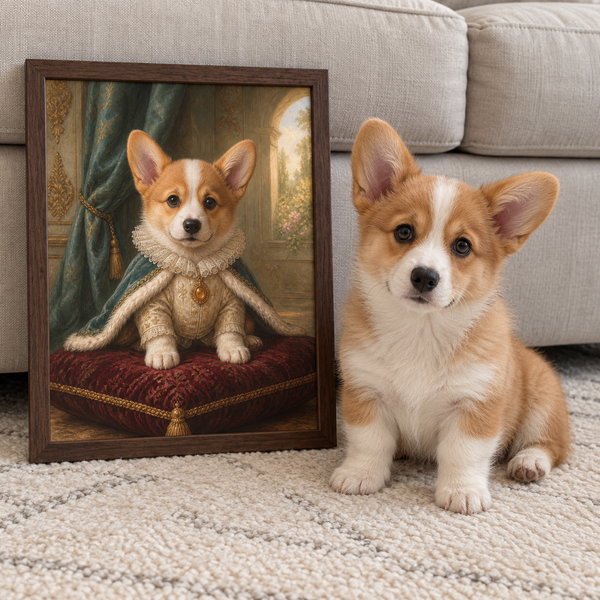
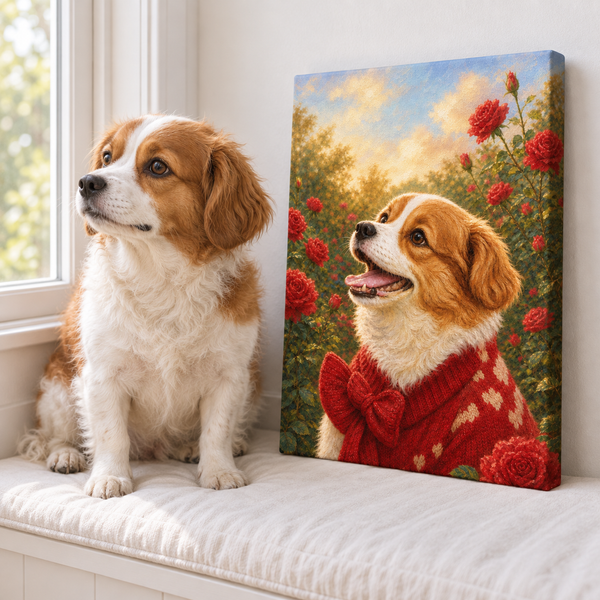
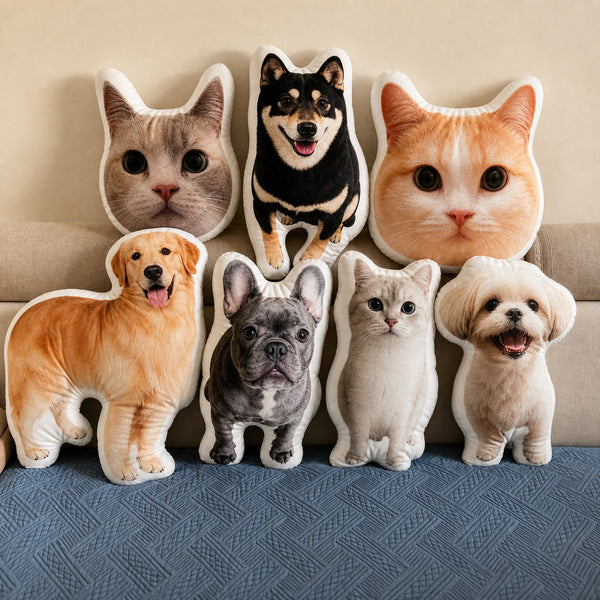
A personalized textile should remain an owner keepsake unless its construction and condition are appropriate for unsupervised pet use. Pawfolio's custom pet blanket can preserve a favorite photo for the household, but it does not replace a cat bed, chew-safe enrichment, or veterinary guidance. If your cat is prone to fabric eating, store decorative textiles out of reach.
Kneading can also preserve a pose worth remembering: focused paws, soft eyes, and the particular curve of a cat settling down. If that quiet ritual feels like part of your cat's personality, a clear photo can become the starting point for a custom pet portrait without interrupting the moment.
Read the Pattern, Not One Paw Movement
For most cats, blanket kneading is a familiar settling behavior. Let the surrounding evidence guide you. Relaxed posture, an intact blanket, and a stable routine point toward normal comfort. Torn fibers, ingestion, pain, or sudden change move the situation into a different category.
Give your cat a safe surface, protect loose fabric, and watch without forcing an interpretation. You do not need to stop every “biscuit-making” session. You only need to know where normal kneading ends and a practical health or safety question begins.