
The trip is over, your pet is home in the usual routine, and the person who helped make that possible deserves a thank-you. Choosing the gesture can be surprisingly tricky. A professional sitter, a neighbor who stopped by, and a close friend who stayed overnight may all appreciate different things.
Good pet sitter thank you gifts begin with what you know about the recipient. You do not need a large basket or a pet-themed object to show that their care mattered. Start with a specific acknowledgement, decide whether an additional gift fits, and choose something the person can comfortably accept and use.
Separate the thank-you from the care arrangement
First, finish any agreed payment and reimbursements. A gift is an extra expression of appreciation, not a substitute for paying for visits, supplies, or additional care you requested. If a friend helped informally, clarify any expenses before treating the entire arrangement as a favor.
There is no single amount that makes a thank-you correct. Your budget, the relationship, and the sitter's preferences are more useful than an arbitrary spending rule. A modest gesture can be thoughtful; a costly item can be inconvenient if the recipient feels uncomfortable accepting it.
In its 2024 member survey about holiday gifts, Pet Sitters International reported responses from more than 450 pet-sitting businesses. Cash tips and gift cards appeared among preferred options, while many respondents expressed no preference. The association also emphasized that gifts were not expected. These findings offer context, not a required tipping formula or a promise about your own sitter's tastes.
If you book through a company, ask whether it has a gift or tipping policy and how to direct thanks to the person who cared for your pet. For a team, find out who was involved before attaching one person's name to the entire job.
Choose an option that leaves little work for the recipient
When you know very little about someone's personal style, a flexible choice is usually easier to match than home decor or clothing. Consider a gift card to a place you know they use, a simple thank-you note, or a tip through an accepted channel. Ask if necessary; a brief question can prevent an unwanted purchase.
Think about the practical details of a gift card. Can the sitter use that business near home or work? Does it require a separate trip? Would the amount cover something useful without obliging them to spend more? Check the current terms before choosing it, and avoid assuming every retailer works the same way.
An FTC gift-card shopping checklist, preserved by the Government Publishing Office, recommends using trusted sellers, inspecting physical cards for signs of tampering, and giving the recipient the purchase receipt. These practical checks come from an archived publication; consult the issuer's current terms for the card itself. Those small checks matter even when you are buying an ordinary present for someone you know.
Food, coffee, or tea can also work when you know the person's preferences. Ask about dietary restrictions instead of guessing. For a shared workplace, confirm that a delivery is welcome and choose a time that does not interrupt visits or create a storage problem.
Personalize for the sitter, not just for your pet
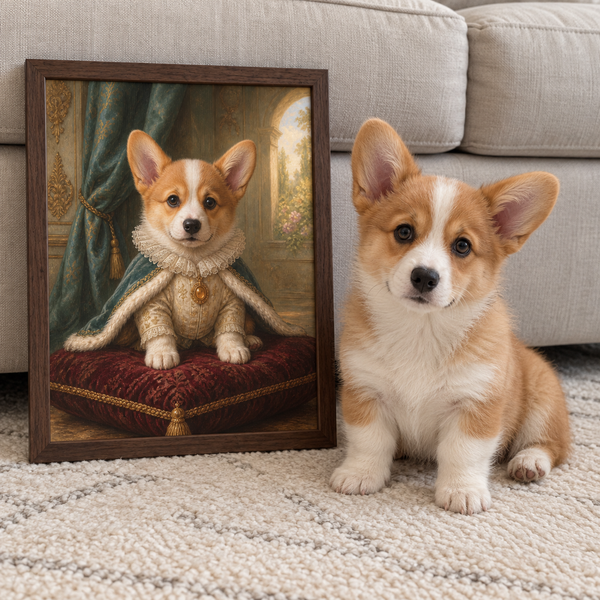
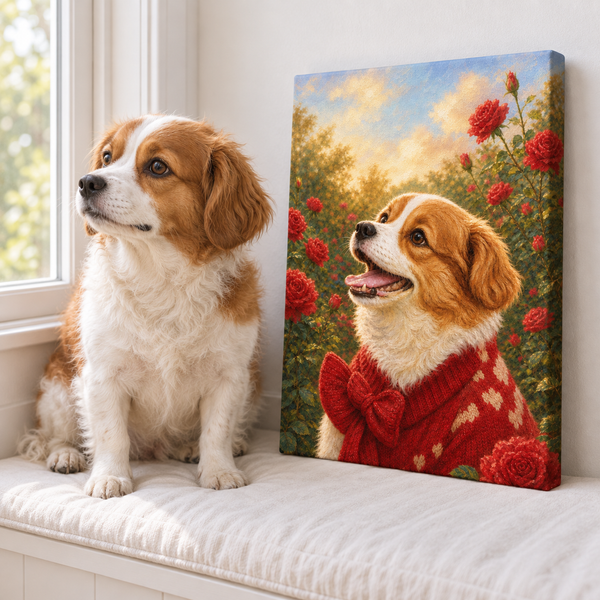
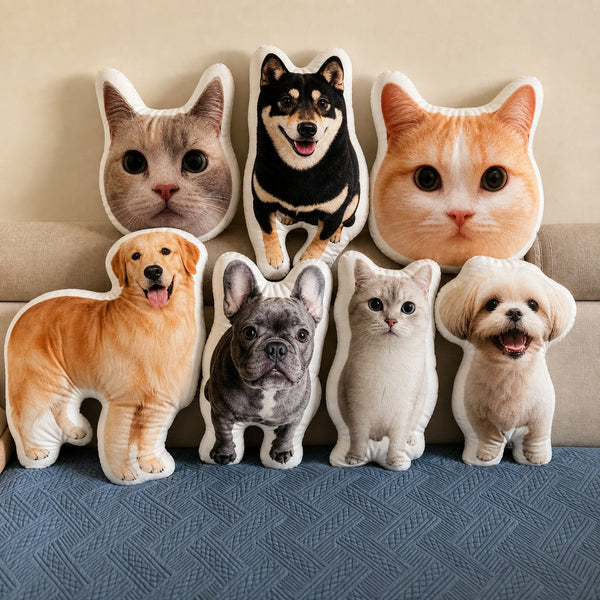
A personalized gift deserves an extra question: whose story should it tell? You may love a large picture of your dog, but the sitter might prefer something featuring their own animal, a subtle design, or no pet image at all. Caring warmly for your pet does not automatically mean wanting your pet's face on household objects.
Use what the recipient has actually shared. If they have mentioned enjoying a particular mug, collecting small prints, or wanting a keepsake of their own companion, you have a useful starting point. If you are guessing about wall space, clothing size, or decorating style, choose a simpler option.
Our personalized pet gift choice guide can help narrow the format once you know the recipient would welcome a custom item. Pawfolio's personalized pet gifts are an optional next step after that decision, rather than a requirement for saying thanks.
For a photo-based item, use a picture you have permission to use and confirm the pet's name or other personalization details. These pet photo tips can help with image selection. Do not order from a blurry social-media screenshot simply to preserve a surprise; asking for a better picture is often the more considerate choice.
Write about one thing that made a difference
The note is where the gesture becomes specific. Name something the person actually did, explain why you appreciated it, and keep the wording natural. You do not need to describe the sitter as perfect or claim your pet behaved a certain way unless you know that happened.
For a professional who sent helpful updates, an example might be: “Your clear updates let us keep up with Juniper's routine while we were away. Thank you for being so thoughtful about the details.” Change both the name and the experience to match your situation.
For a neighbor who helped with a last-minute visit: “Thank you for fitting in that extra visit on Tuesday. Knowing the evening routine was covered made a difficult travel day much easier.” For a friend who helped over several days: “We appreciate the time you gave us this week. Please let us return the favor when you need a hand.”
You can add a playful line from your pet, but let the main message come from you. Avoid language that assumes the person will always be available or turns the gift into a request for the next booking. Appreciation stands on its own without an attached favor.
Make delivery easy and keep private details private
Ask when and where the gift is convenient to receive. A sitter moving between appointments may prefer a small envelope or a digital gift to something bulky that must stay in the car. A gift for a company team may belong at the office, while a personal item should go only to an address the recipient has chosen to share.
Do not leave a present mixed with keys, access codes, medication instructions, or other household information. Keep the care handover and the gift clearly separate. If your thank-you includes a photograph, check the background for anything private before printing or sharing it.
For a physical item, choose packaging that suits the journey. A mug delivered by hand needs a different plan from one going through the mail; our guide to wrapping a mug as a gift covers that distinction. Avoid making the wrapping so elaborate that the recipient needs to carry loose decorations between appointments.
An honest review can be another form of thanks if the sitter welcomes it. Describe the service you actually received, use the appropriate review channel, and leave out addresses, travel dates, access arrangements, or identifying details about other clients. A positive review should reflect your experience rather than become a condition attached to the gift.
Make one clear choice and let it be enough
If you are still deciding, use a short check before buying anything:
- Have all agreed fees and expenses been handled separately?
- Do I know that this person can accept the gift?
- Is it something they want, rather than something I want them to display?
- Does a personalized item use the right pet, photo, and spelling?
- Can they receive it without changing their schedule?
- Does the note mention a real part of their care?
A gift card and a short note may answer every question. So might a requested keepsake, a familiar treat, or simply a sincere message. You do not need to add another item because the package looks small.
If the sitter declines a present, accept that graciously. If they prefer practical appreciation, believe them. And if a friend says no gift is needed, you can still acknowledge the time they gave without insisting on a purchase.
The most useful thank-you is one that reaches the person behind the pet care. Notice what they did, respect their preferences, and choose a gesture that makes receiving your appreciation easy.