
What are good pet names? The best ones are easy for your household to say, distinct from everyday cues, comfortable to use in public, and paired with good experiences for the animal. A name can reflect personality, appearance, history, or pure whim. It does not have to be unique on the internet to feel completely right at home.
Instead of scrolling through thousands of names, make a short list and test each candidate in real situations. The goal is not to find a mathematically perfect word. It is to choose one you can use warmly and consistently for years.
Start with meaning, but do not wait for a perfect story
Naming inspiration can come from almost anywhere:
- a visible trait, such as a patch, stripe, curl, or color;
- a behavior, such as bouncing, burrowing, watching, or carrying toys;
- a favorite place, food, book, season, artist, or family tradition;
- the pet's history or a name already used by a rescue or foster home;
- a playful contrast, such as a tiny pet with a grand name.
Some personalities appear quickly. Others emerge after a nervous new pet has had time to settle. If nothing feels obvious on day one, use a temporary nickname and observe. A name chosen after several calm days may fit better than one selected under pressure in the parking lot.
Meaning is for people; recognition is learned by the pet. A beautiful backstory does not make a name easier to teach, and a simple name is not less affectionate.
Put every candidate through five practical tests
Write down three to five favorites. Then try these tests before ordering a tag or announcing the winner.
1. The across-the-room test
Say the name once in a normal, upbeat voice. Is it clear without being shouted? Can other household members pronounce it comfortably? Does it still sound pleasant when repeated several times?
One or two syllables can be convenient, but longer names can work well too—especially when they have a natural everyday form. “Marigold” may become “Mari.” “Theodore” may become “Theo.” Consistency matters more than obeying a rigid syllable rule.
2. The cue-confusion test
Compare the name with words you already use: sit, stay, down, come, no, dinner, another pet's name, and the names of people in the home. If two words sound very similar in ordinary speech, change the name or the cue rather than repeatedly asking the animal to sort out an avoidable ambiguity.
This is particularly helpful in a multi-pet home. “Milo” and “Mila” may look different on paper but blur together when spoken quickly. Distinct rhythm and sound give each animal a clearer signal.
3. The public test
Imagine saying the name at a veterinary clinic, in a park, or when speaking with a pet sitter. Is it respectful? Will you feel comfortable using it clearly during an urgent moment? A private joke that needs a long explanation may become tiring.
Also check the nickname that people will naturally create. If you dislike the obvious shortened form, choose another candidate before the nickname takes over.
4. The growing-with-them test
Picture the name on a young pet, a settled adult, and a senior. Cute names can age beautifully, but only if you will still enjoy them. Avoid basing the entire choice on a behavior that may disappear after the pet feels secure.
For an animal whose personality is still unfolding, a flexible name may serve better than a label such as “Trouble” or “Crazy.” Words shape how people talk about behavior, even when the pet does not understand the joke.
5. The three-day test
Use one finalist at a time for a day or two. Say it before a meal, a gentle play session, or an invitation to interact. Notice whether it is easy to remember and whether everyone uses the same version. Do not treat the test as proof that the pet prefers one name; you are testing the household's ability to use it well.
A pet learns the name through association
A name is most useful as an attention signal: “Look toward me; something relevant is coming next.” The American Veterinary Society of Animal Behavior's guide to teaching name recognition recommends saying a dog's name in a clear, upbeat voice, then marking and rewarding even a brief glance. Practice begins in a quiet place and gradually moves to more distracting settings.
The guide also warns against pairing the name with reprimands. If the name repeatedly predicts yelling or something unpleasant, responding becomes less appealing. Keep corrections separate and let the name retain a positive meaning.
A simple practice session looks like this:
- Stand or sit near your pet in a quiet room.
- Say the name once in a warm voice.
- The moment the pet looks toward you, mark the response with “yes” or gentle praise.
- Offer a small reward the pet values.
- End after a few successful repetitions.
For dogs, the American Kennel Club's name-training guide similarly uses positive reinforcement and gradually adds distance and distraction. Avoid chanting the name repeatedly. If there is no response, make the setting easier instead of raising your voice.
Cats can recognize their names too
A cat who does not come when called may still distinguish the sound. A 2019 Scientific Reports study found that household cats could discriminate their own names from general nouns, including when an unfamiliar person spoke. The study measured changes in responses to sounds; it did not claim that cats understand names exactly as humans do.
That distinction is useful. Recognition and obedience are not the same thing. A cat may turn an ear, move the head, or look briefly without walking over. Reward the orientation you actually see, and make responding worthwhile rather than turning every name call into restraint, medication, or the end of play.
Should you rename a rescue pet?
Usually, an adult dog or cat can learn a new name. Keeping the existing name may provide continuity, particularly when the animal already responds to it and the name has no practical problem. Changing it can also be reasonable when the history is unknown, the old name is difficult to use, or the family needs a fresh, consistent signal.
If you change it, transition gently. For several days, pair the old and new names—“Buddy, now Archie”—and reward attention. Then reduce the old name as the new one becomes familiar. Some pets adjust quickly; others need more repetition and lower-distraction practice.
Ask the rescue or foster caregiver what name they used and how the pet responded. A dog listed under one intake name may already have a different everyday nickname.
Shortlist ideas by style
If your page is still blank, choose a style before choosing a word. These small groups are prompts, not a popularity ranking.
- Warm classics: Lucy, Max, Rosie, Charlie, Milo, Sadie.
- Nature-inspired: Willow, River, Maple, Clover, Sunny, Storm.
- Food-inspired: Mochi, Pepper, Biscuit, Olive, Bean, Cocoa.
- Playful: Ziggy, Pickle, Noodle, Cricket, Pippin, Waffles.
- Quiet and elegant: Cleo, Theo, Pearl, Louie, June, Remy.
- Big-personality names: Atlas, Roxy, Duke, Nova, Juno, Scout.
Check that every option passes your household's sound and public tests. If you have several pets, read the whole set aloud as if calling them in from another room.
Let the name become part of the relationship
Once you choose, use the name consistently for pleasant attention. Share the spelling with the veterinarian, microchip registry, insurer, sitter, and household. Keep an ID tag legible and update contact details after a move or phone-number change.
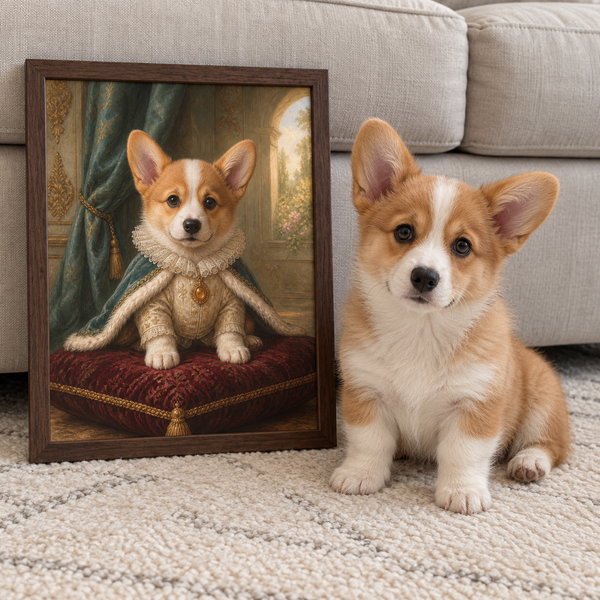
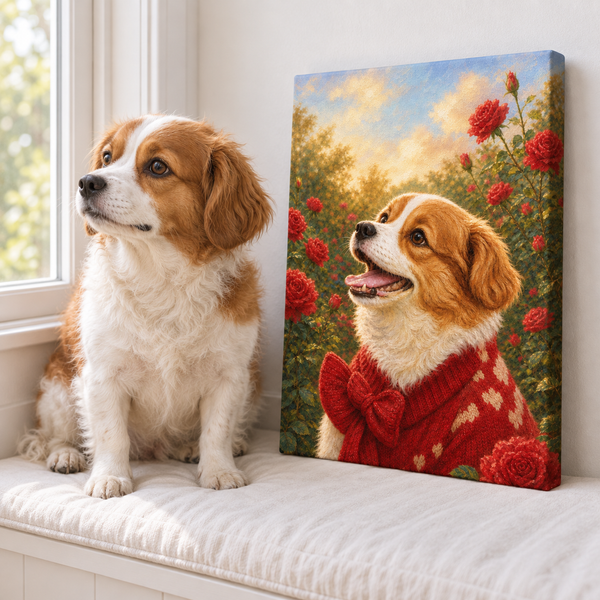
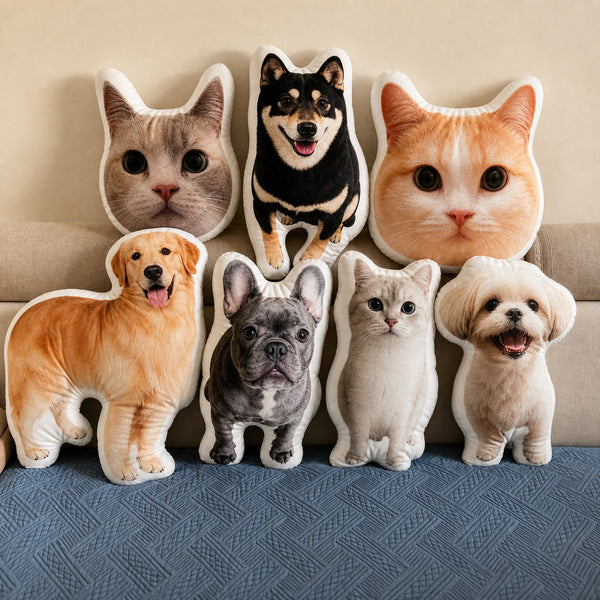
The name will soon collect meanings that no list could supply: the tone used at breakfast, the nickname that appears during play, and the way a familiar face turns toward the sound. When you want to carry that identity into the home, personalized pet gifts from Pawfolio Art can pair a favorite image with the pet who made the name meaningful. Our guide to personalized pet gift ideas can help match the format to the recipient and occasion.
So, what are good pet names? They are names people can say clearly, pets can learn through positive experience, and families still enjoy after the novelty has passed. Make a short list, test it in real life, and choose the one that feels natural when your pet looks back.