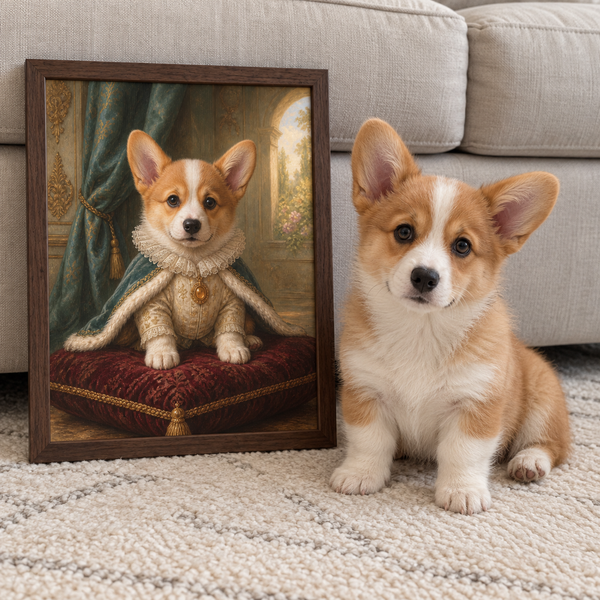
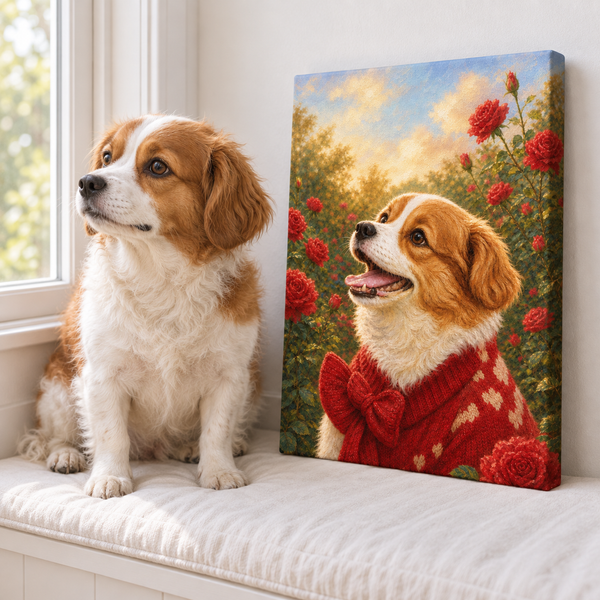
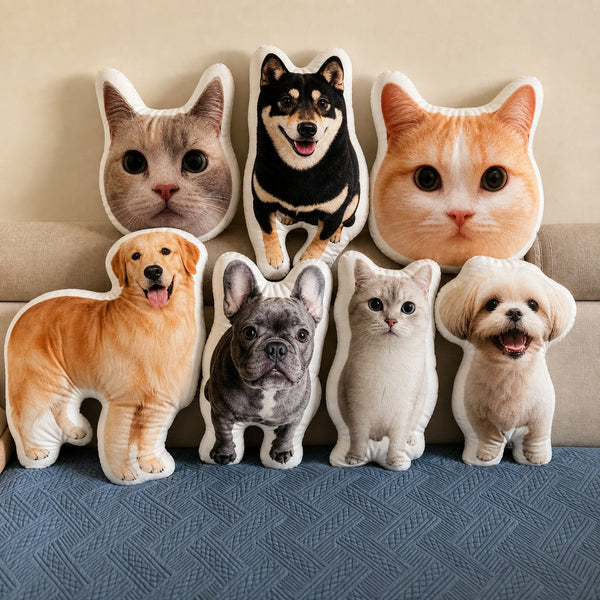

A gift can feel unmistakably connected to a dog before anyone opens it. A familiar face on a flat tag, a hand-drawn ear shape, or a paper pattern in the dog's coat colors can do more than a large bow. You can make the presentation personal without turning the package into a pile of loose decorations.
This guide to dog Christmas gift wrap focuses on presents that people will unwrap, with a separate plan for gifts intended for the dog. The goal is a tidy package, a useful container, and a clear way to keep wrapping materials away from curious pets. Paper, fabric, and decorative trim are packaging, not things to offer for chewing.
Decide who will open the package
Start by separating two kinds of presents: a dog-themed gift for a person and a gift that will eventually be handed to the dog. Both can have festive packaging, but an adult should remove the packaging before the pet receives the item. You do not need to make tearing up a wrapped parcel part of the occasion.
Choose a wrapping area your pets cannot access. Put scissors, tape, scraps, and unfinished gifts together on the work surface, and keep a waste container nearby. Finish one package before opening the materials for another. This makes cleanup easier and reduces the number of small pieces you need to keep track of.
Cornell veterinarian Leni Kaplan's holiday safety advice includes keeping pets from chewing or ingesting ribbons and other decorations to prevent gastrointestinal obstructions. Simplifying the decoration gives you fewer loose pieces to manage during wrapping and opening.
Gift wrapping without ribbon can still look finished. Put the color and detail on the paper itself, or attach a flat tag. These choices reduce loose trim, but they do not make the finished package suitable for a pet to chew or swallow.
Make a dog pattern with one recognizable detail
Choose a plain sheet of paper and one simple motif. It could be the outline of a floppy ear, a small sitting-dog silhouette, or a playful bone shape. Draw a few versions on scrap paper first, then choose one you can repeat comfortably. The design does not have to be a perfect portrait.
For an orderly pattern, place the motifs in loose rows, leaving similar gaps between them. For a more relaxed result, turn each drawing slightly and leave some areas open. Use one main color and a smaller accent color so the pattern remains readable after the paper folds around the box.
Measure the paper around the box before decorating it. Lightly note where the top panel will fall, then concentrate the clearest motifs there. Keep folds and seams simple. Let any ink or paint dry fully according to its instructions before wrapping, and make the design with the pet elsewhere rather than using a live paw as a stamp.
If a gift includes a card, our dog Christmas card ideas can help you choose a photograph or scene to carry the theme across both pieces. Repeat one detail from the card on the package instead of making every surface equally busy.
Use a photograph as the main decoration
Dog photo gift tags work best when the face is recognizable at a small size. Choose an image with a clear expression and a reasonably simple background. Make a copy for cropping so the original photograph stays intact, then print a small test before producing tags for every package.
Leave room for the recipient's name and a short message. Put the words beside or below the image instead of across the dog's eyes or muzzle. A plain rectangle is easy to cut and attach. You can also leave a narrow paper border around the picture to separate it from a patterned wrap.
Attach the tag flat to the outside of the box or wrapped package, where the recipient can see it. Skip a punched hole, loop, dangling charm, or miniature ornament. The photo supplies the personal detail without needing a second decoration hanging from it.
Check the tag from the distance at which someone will pick up the present. If the face is too small, enlarge the photograph and remove extra text. A simple “from” line can make the joke clear when the gift is from the dog, while a longer message belongs inside the card. This is an easy way to make Christmas dog gift wrap feel specific to your family.
Let the object determine the box
Pretty paper cannot solve an awkward or unprotected shape. Choose the container first, then plan the outside. A folded soft gift often fits neatly in a shallow box. A fragile item needs appropriate cushioning and a box that protects it, not just a decorative bag that hides its outline.
If you are considering Pawfolio's pet photo mugs and blankets, think about presentation alongside the item you select. A mug and a folded blanket require different packing decisions even if you use matching paper. For the mug's protective layer and handle, follow our separate guide to wrapping a mug as a gift.
Test a reusable box by closing it with the gift inside. The lid should sit as intended without forcing the contents or bulging at the sides. Put the name on a removable paper label if you want the recipient to use the box again. Check that the label will not damage a decorative surface when removed.
For a mailed gift, use packaging suitable for shipping and the carrier's requirements. Treat the decorative wrap as an inner presentation layer. A box that looks attractive on a coffee table is not automatically ready for sorting, handling, and transport.
Store gifts where pets cannot investigate them
Decide where the finished packages will wait before you begin wrapping. A closed room or a secure cabinet is more useful than relying on a dog to leave the tree alone. Keep the same boundary for gifts brought by visitors, because you may not know what is inside their packages.
The ASPCA's holiday safety tips point out that pets may smell food through wrapping and recommend keeping wrapped food or candy off the ground. Decorative paper does not hide a tempting item from a dog's nose. Ask guests whether their gifts contain food, and arrange storage accordingly.
Keep treats in their original labeled packaging inside any presentation box. That lets the person responsible for the dog check the ingredients and feeding information. Avoid attaching biscuits or sweets to the outside as decorations, where they invite investigation and leave packaging mixed with something edible.
For the dog's actual present, our dog Christmas gift ideas can help you think about the item rather than the package. Let the adult handle labels, bags, and wrapping first, then offer the appropriate gift. A pleasant holiday moment does not require the dog to participate in every part of the exchange.
Plan the opening and cleanup as part of the design
Before gifts are opened, put a container within reach for paper, tape, tags, and any packing pieces. Ask one adult to keep an eye on the pets while others are distracted. If that is not practical, use a comfortable separate space the pet is already accustomed to while the floor is busy with packages.
As each gift is opened, collect its packaging immediately. Save reusable boxes or clean sheets separately, out of reach, rather than leaving a sorting pile on the floor. Look under chairs and the table afterward, where a flat tag or small piece of tape can be easy to miss.
Do one final check before bringing the pet back into the room:
- The gift itself has been separated from labels and packing materials.
- Food presents are stored where pets cannot reach them.
- Scissors, tape, and remaining wrapping supplies are put away.
- Scraps and loose decorations have been collected.
- Reusable packaging is stored rather than left within reach.
The most useful wrapping plan is one you can complete and clear away without fuss. Pick a single dog-inspired detail, fit the package to its contents, and let the person enjoy the presentation while the pet enjoys a holiday moment suited to them.