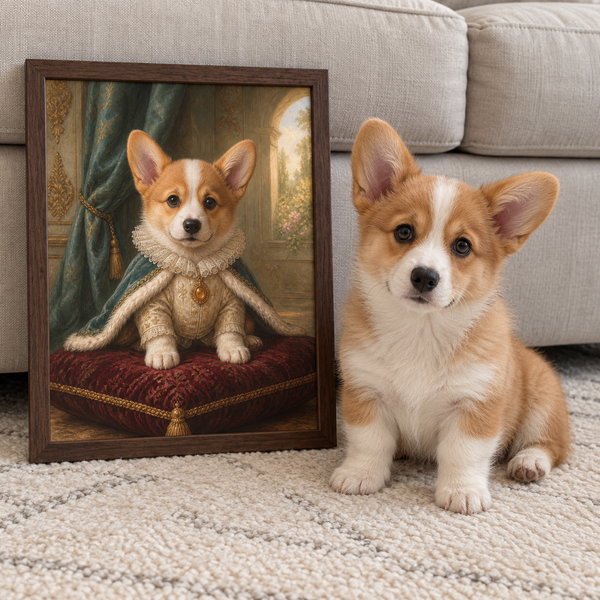
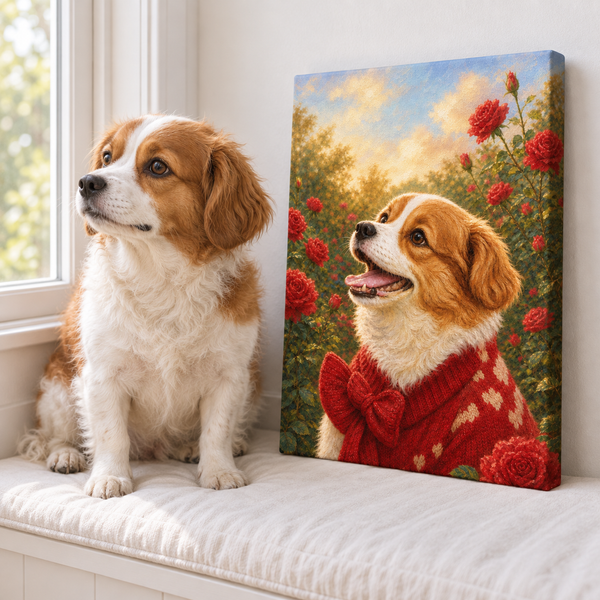
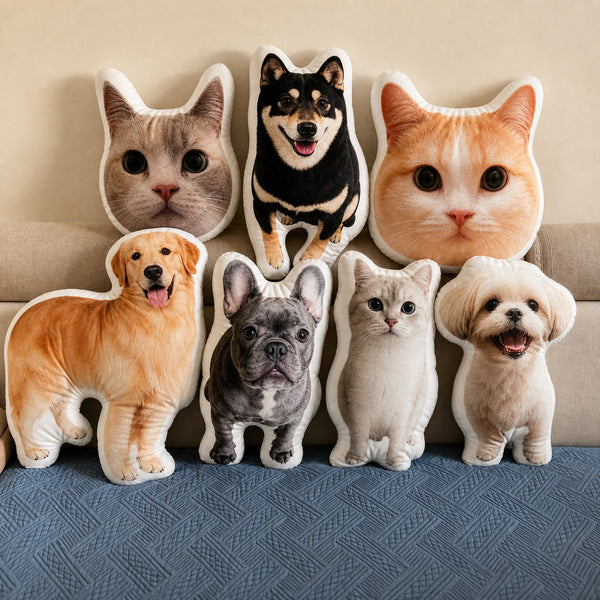

What is the cutest dog in the world? The honest answer is that there is no universal winner. One person melts over a wrinkled face, another notices bright eyes and upright ears, and someone else will choose the scruffy mixed-breed dog waiting at home every time.
Cuteness feels immediate, but it is not a neutral measurement like height or weight. It is a judgment shaped by visible features, movement, familiarity, culture, and personal experience. That is why a “cutest dog” poll can be fun without settling the question—and why a dog does not need to belong to a fashionable breed to be deeply lovable.
Why some dog faces look especially cute to us
Researchers often discuss a group of youthful features known as baby schema: a relatively large forehead, large-looking eyes, a small nose or muzzle, rounded cheeks, and soft proportions. In humans, these cues tend to attract attention and caregiving responses. Dogs can display some of the same visual cues, although breeds do not package them in one consistent way.
A study published in Animal Welfare compared adult dogs from 42 popular breeds. The researchers found that shorter-muzzled breeds tended to have relatively taller foreheads and a larger visible eye area, but they did not show every proposed baby-schema feature. The finding is more nuanced than “flat-faced dogs are scientifically the cutest.” It suggests that a few facial proportions may contribute to an infant-like look while also reminding us that cuteness is not a single anatomical formula. The full study on infant-like appearance in short-muzzled dogs also discusses the serious welfare concerns associated with selecting extreme conformations.
Features that many people read as cute include:
- eyes that appear large or easy to see;
- a rounded head or noticeable forehead;
- ears that frame the face;
- soft, fluffy, or slightly untidy fur;
- a head tilt, play bow, relaxed mouth, or curious expression;
- compact movements or an enthusiastic whole-body greeting.
None of these cues guarantees a particular personality. They simply help explain why certain photographs or moments grab our attention.
Expression can matter more than breed
A still image of an unfamiliar dog gives you only shape, color, and a fraction of a second. Spend time with that dog and a much richer picture develops. You learn the difference between the focused stare that appears before a walk and the sleepy squint that arrives after dinner. You notice one ear folding back when a favorite person enters the room.
Those repeated expressions can become cuter than any idealized breed feature because they carry meaning. The same is true of movement. A senior dog's careful trot, a puppy's oversized-paw tumble, and an adult dog's restrained but rapidly wagging tail are appealing for different reasons. Cuteness often lives in behavior plus context, not in facial geometry alone.
This is also why online rankings change from year to year. A striking photo, a popular movie, a widely shared video, or increased familiarity with a breed can affect what viewers recognize and favor. The ranking reflects a moment and an audience; it does not reveal a permanent canine champion.
Familiarity changes what you see
People generally become better at noticing distinctions within faces they see often. To a stranger, two black Labradors may look almost identical. To their families, one has a broader brow, the other has a tiny gray patch under the chin, and their resting expressions are unmistakable.
Personal history matters too. Someone raised with spaniels may feel an immediate warmth toward long ears. A person whose first dog was a shepherd mix may be drawn to alert profiles and dark masks. After adopting a dog with an underbite, that once-unusual feature can become the standard by which every charming face is judged.
The result is not bias that needs to be corrected. It is part of the answer. “The cutest dog in the world” is often shorthand for “the dog whose appearance, behavior, and history mean the most to me.”
Photographs can amplify—or hide—cuteness
Camera position changes proportions. A phone held very close to a dog's nose makes the muzzle look larger and the head smaller. A wide-angle lens can exaggerate whichever feature is nearest. A high camera angle may make the body look tiny, while an eye-level photograph preserves more natural relationships between the face and body.
Light and timing matter just as much. Soft window light reveals eye color and fur texture without the harsh reflection of direct flash. Focus on the eyes helps a viewer connect with the expression. A familiar sound, toy, or person near the camera can produce alert ears or a natural head turn without forcing the dog into an uncomfortable pose.
For a flattering photograph, try these simple choices:
- Move to the dog's eye level instead of shooting straight down.
- Step back slightly and zoom only a little, rather than placing a wide-angle phone lens inches from the face.
- Face the dog toward open shade or indirect window light.
- Keep the background quiet enough that the outline of the ears and coat remains clear.
- Photograph a familiar activity and stop if the dog wants to leave.
A good picture does not manufacture cuteness. It makes the details you already love easier to see.
Cute should never outrank health or compatibility
Admiring a dog and choosing one to live with are different decisions. A very short muzzle, prominent eyes, excess skin folds, extremely small body size, or another exaggerated trait may look appealing while being associated with health risks. Appearance should not be used to dismiss questions about breathing, movement, eye protection, birth, temperature regulation, or inherited disease.
It is equally important to look beyond the face. The American Veterinary Medical Association's pet-selection guidance recommends considering exercise, grooming, housing, veterinary care, cost, time away from home, household members, and the animal's expected lifespan. Temperament and individual history also affect whether daily life will work.
If you are choosing a dog, ask practical questions:
- Does the dog's normal activity level fit your schedule and space?
- Can you meet training, grooming, social, and veterinary needs over a lifetime?
- Are there health tests or recurring conditions to understand?
- How does this individual respond to handling, strangers, children, or other animals?
- Are you drawn to the whole dog, or mostly to an image?
A responsible breeder, rescue, shelter, and veterinarian should be willing to discuss needs and uncertainty rather than selling a look as a lifestyle.
So, which dog deserves the title?
If the question is a playful one, the answer can be any dog that makes you pause and smile. You might choose a round-faced puppy today and a white-muzzled senior tomorrow. There is room for both.
If the question is personal, the winner is usually specific: the dog who leans against your leg, guards a battered toy, steals your side of the bed, or recognizes the sound of your keys. Those details explain why families often prefer an imperfect everyday photograph to a technically flawless image of an unfamiliar dog.
They also explain the appeal of custom pet portraits from Pawfolio Art. A portrait can preserve the off-center blaze, uneven ears, favorite expression, and other traits that make one dog recognizable instead of turning every subject into a generic idea of “cute.”
The cutest dog is not a breed result
There is no scientific test, breed standard, or global vote that can identify the cutest dog in the world. Certain youthful facial cues may attract attention, but expression, movement, familiarity, photography, and emotional connection all change the judgment.
Enjoy breed lists as inspiration, not fact. Protect health and compatibility when choosing a companion. Then let your own answer be wonderfully subjective. The dog you know closely will always show you details a ranking cannot measure.